

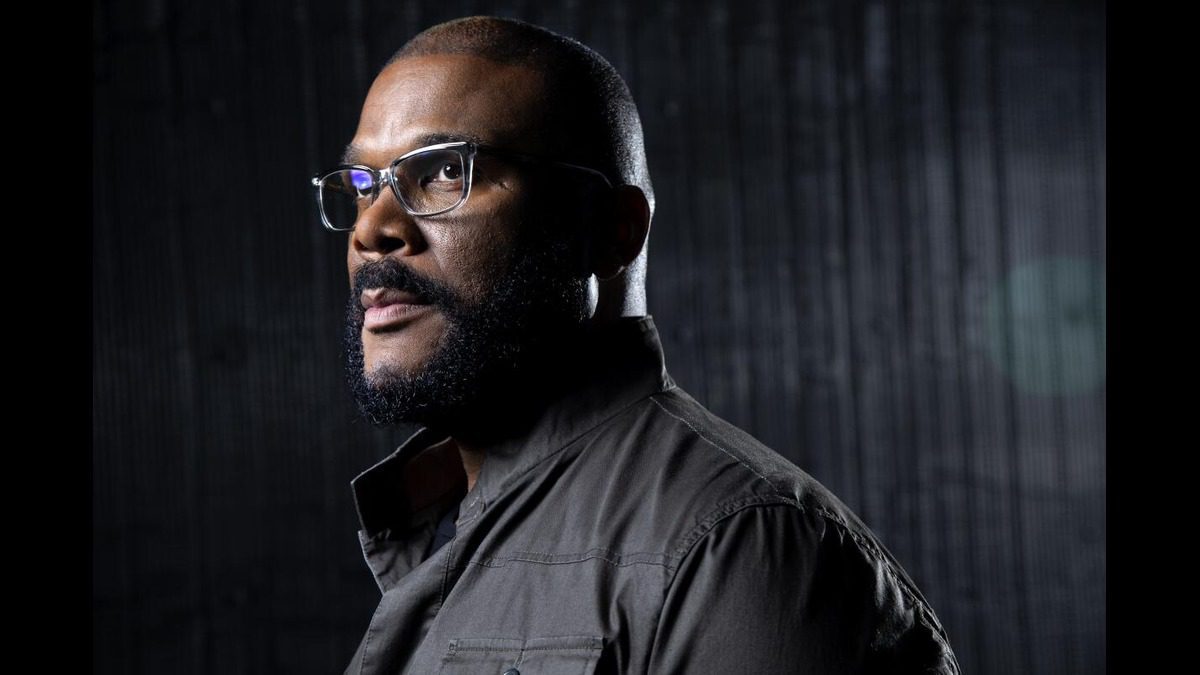
Behind the Spotlight: The Studio of Tyler Perry Faces Scrutiny
Few names in entertainment command the same mix of admiration, controversy, and cultural significance as Tyler Perry. A self-made mogul who rose from homelessness to billionaire status. Perry built an empire on faith, driven storytelling, Madea’s sharp tongue, and an unrelenting work ethic. He’s a trailblazer who owns one of the largest film studios in the U.S., a beacon for Black creatives, and a Hollywood outsider who made his own rules.
Tyler Perry Studios (TPS), opened in 2019 as a historic 330-acre facility in Atlanta, built on a former Confederate base. Celebrated for empowering Black creatives and fully owning his production pipeline, Perry’s studio quickly became a landmark of achievement. But behind the inspirational headlines and blockbuster hits, lies a complex legacy. One that is now under intense scrutiny. As Perry’s name headlines a wave of serious accusations, the world is asking: What really goes on behind the gates of Tyler Perry Studios?
The $260 Million Lawsuit That Sparked New Questions
Actor Derek Dixon has filed a $260 million lawsuit accusing Perry of sexual harassment, battery, and assault. Perry’s team has dismissed the claims as a baseless “shakedown.” However, beyond the shocking allegations, Dixon’s suit also reignites concerns about how TPS operates behind the scenes. Pointing at specifically, a lack of standard HR protections and labor practices. Dixon alleges he didn’t know where to report misconduct because there appeared to be no clear human resources process in place reported THR.
A Legacy of Labor Tensions
This isn’t the first time Perry’s labor practices have raised eyebrows. In 2008, he came under fire for firing writers allegedly over union activity. Though the Writers Guild eventually reached an agreement with him, the original staff wasn’t rehired. In 2013, another former employee accused the studio of retaliation after reporting unsafe layoffs and wage theft, however that lawsuit was dismissed on procedural grounds.
Perry is also known for working without writers’ rooms, preferring to script everything himself. His reason being, that he sees this as a necessity to protect his unique voice and audience connection. However, it places him at odds with broader industry pushes for fair staffing and collaboration, especially as unions like the WGA advocate for minimum writing teams.
Fast, Cheap, and Controversial
Inside TPS, the work culture is notoriously intense. Perry is famous for his rapid shooting style, churning out episodes and films at breakneck speed. According to former crew members, TV episodes are shot in days rather than weeks, and features are completed at a pace four times faster than industry norms. While Perry claims his team thrives on this efficiency, others describe it as exhausting and unsustainable.
His decision to delay an $800 million expansion due to the rise of AI also hints at a future where fewer workers may be needed, further stoking concerns about how labor is valued at TPS.
Creative Accusations and Industry Isolation
In addition to labor issues, Perry has faced multiple accusations of copyright infringement over the years, settling at least five cases involving alleged misuse of creative content. Although such suits are common in Hollywood, the volume lodged against Perry is noteworthy.
Meanwhile, his studio has become something of an island within the industry. Scholars and insiders note that TPS operates in its own “closed universe,” rarely intersecting with major union productions like Stranger Things or Marvel projects. Despite its size and scope, the studio remains distanced from Hollywood’s mainstream creative pipelines.
Satire and Reputation
Cultural critiques of Perry’s working style have popped up in satire, from The Boondocks to Donald Glover’s Atlanta, which portrayed a thinly veiled Perry-like character as domineering and unchecked. These portrayals mirror industry whispers that Perry’s success has come at the cost of transparency, collaboration, and fair labor.
A Divided Legacy
Tyler Perry remains a towering figure in entertainment, with an inspiring rise and unmatched influence. Yet as new legal battles unfold and past controversies resurface, the world is being forced to examine the machinery behind his empire. Is TPS a beacon of Black creative control, or a warning sign of what happens when one man holds too much unchecked power in an industry built on collaboration?
In the coming months, the Dixon case may prove to be more than just a headline. It could become a turning point in how Hollywood measures success, not just by output or ownership, but by how people are treated behind the scenes.
