

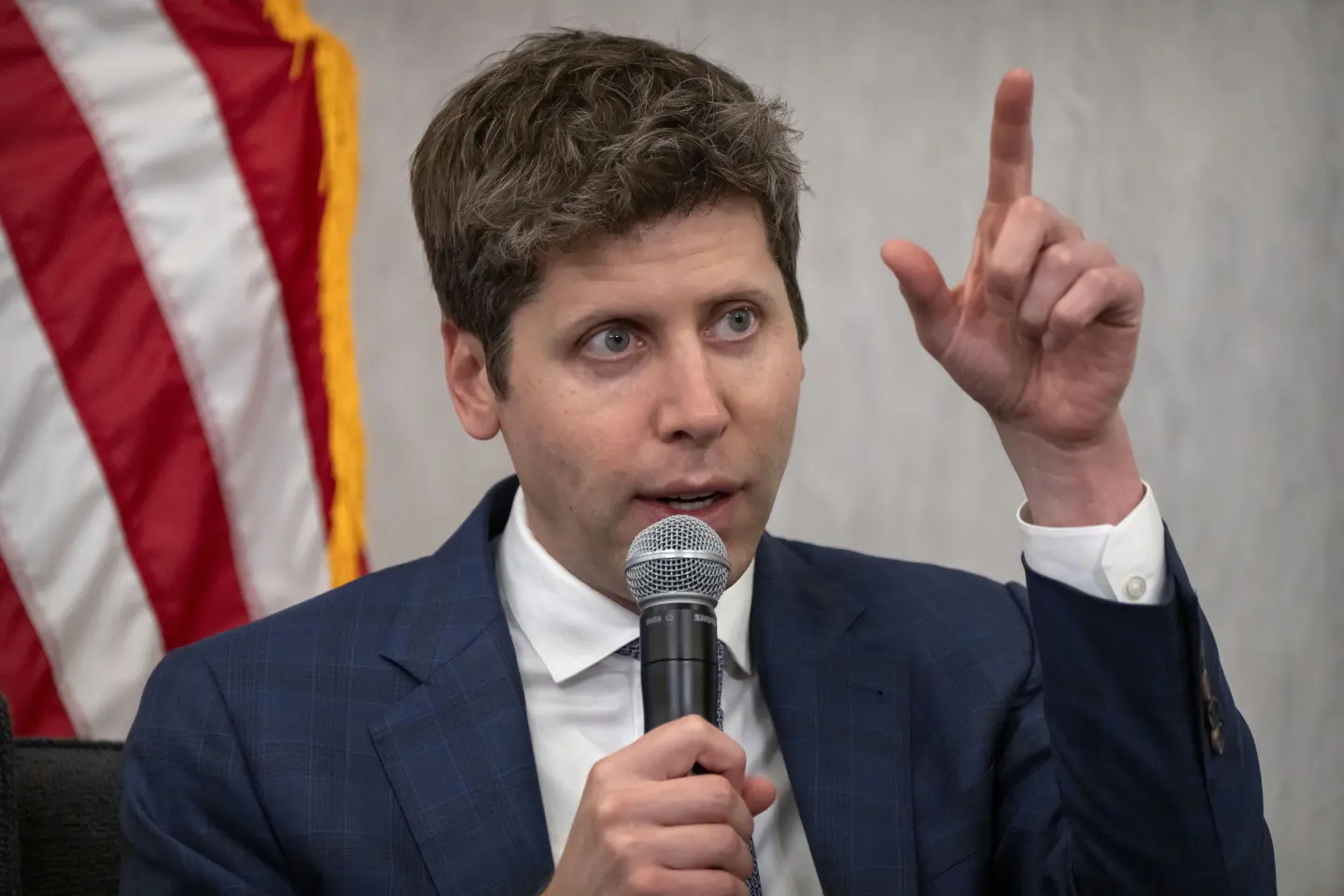
By now, most Geekhub readers know that generative AI can do some freaky things — write code, clone faces, generate music. But at a recent U.S. Federal Reserve event, OpenAI CEO Sam Altman warned that it’s about to do something a lot scarier: break into your bank account using your voice.
And no, this isn’t sci-fi.
“A thing that terrifies me is… some financial institutions still accept voiceprints as authentication. That is a crazy thing to still be doing,” said Altman, speaking at the Fed’s annual bank regulation conference.
Translation? AI is now so good at mimicking your voice that relying on it to protect your money is like locking your front door but leaving the key under the mat.
Why This Should Worry You (Yes, You)
Some banks still use “voiceprint” authentication, where you say a phrase to verify your identity, especially for high-value clients. It feels high-tech. It’s not. AI voice cloning tools can now replicate your tone, rhythm, and even emotional inflections with frightening accuracy.
Altman says the technology has “fully defeated” this form of security. That’s not hype. It’s a red alert.
This Isn’t Just About One Scam Call
Altman’s bigger fear? AI won’t just let one scammer pretend to be your gran. It could trigger a full-on, industrial-scale fraud problem.
Imagine AI agents launching millions of automated voice scams at banks simultaneously, tricking call centers, defeating outdated verification systems, and draining funds before institutions can even respond.
“It’s not one-off identity theft. It’s a full-blown crisis waiting to happen,” Altman warned.
Banks Need to Move — Now
The message is clear. It’s time to bin legacy systems and upgrade to real multi-factor authentication. We’re talking biometrics, physical security keys, and behavioral risk detection, not just a PIN and your voice.
Even Federal Reserve Vice Chair Michelle Bowman acknowledged the challenge and hinted at collaborating with AI experts to defend against deepfakes and fraud tools.
OpenAI, the very company raising the alarm, is also helping banks fight back. Altman says AI will be crucial in building fraud detection systems that evolve faster than the scams.
What This Means for South Africa
For South African banks and fintechs, the stakes are just as high. SA has a rising middle class, a booming digital payments ecosystem, and a fraud problem that’s already serious without AI in the mix.
If you’re a:
- Developer: Think anti-deepfake tools, voice spoofing detection, and AI-secure KYC.
- Bank exec or fintech founder: Time to audit your authentication stack. Yesterday’s security isn’t going to cut it tomorrow.
- Consumer: Be wary of voice-based “security.” Push for stronger options like app-based tokens or biometric logins.
Final Thought: Trust Is Being Rewritten
The real story here isn’t just about voice. It’s about trust. In the age of AI, the old rules of identity — how we prove we are who we say we are — are under attack.
And as Altman puts it, “You don’t want to wait until the fraud happens to upgrade your system.”
Source: Expanded for Geekhub with original reporting by APNews
