



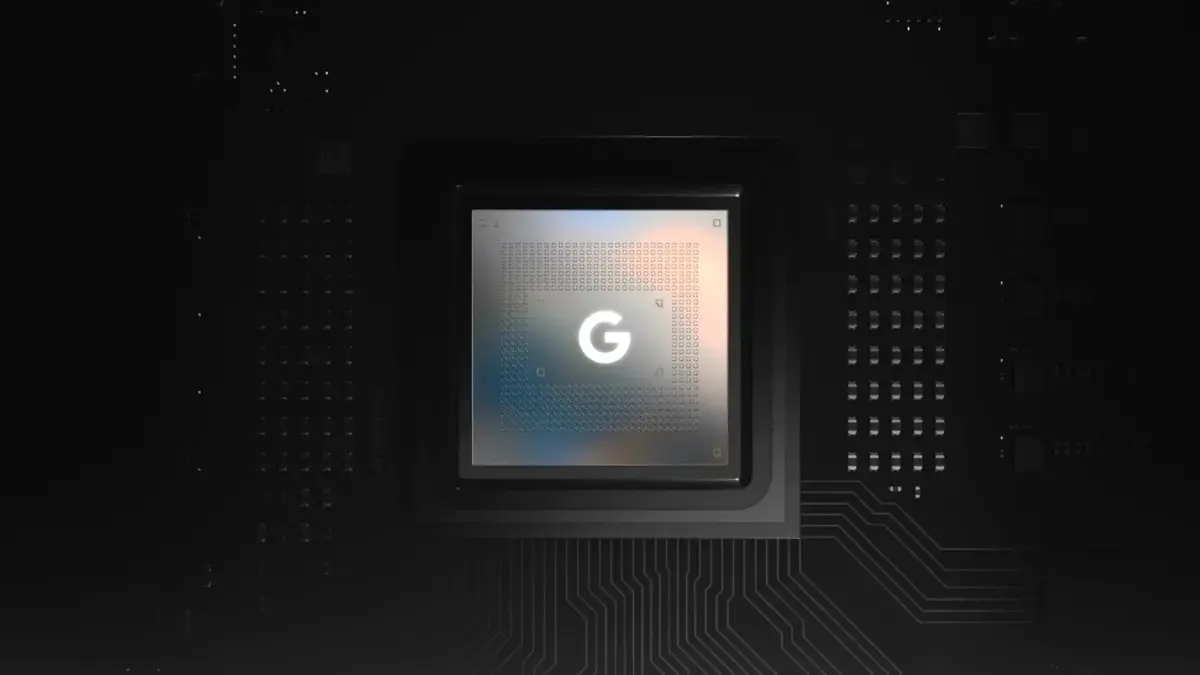
So here’s the scoop. Google is done with Samsung — at least when it comes to making the brains of the Pixel. After three generations of using Samsung to manufacture its custom Tensor chips, Google is switching to TSMC for the upcoming Pixel 10’s Tensor G5. And yeah, it’s a big deal.
Samsung didn’t see it coming. Internally, they’re calling it the “Google incident,” and the fallout is already prompting serious soul-searching in their semiconductor division.
But let’s break down why Google made the move, what it means for you (and your next phone), and why this could shake up the chip wars in 2025 and beyond.
The Problem with Samsung’s Chips
Samsung’s been Google’s foundry partner since the original Tensor chip launched in the Pixel 6. But real talk? It’s been a mixed bag.
- Hot and power-hungry: Pixels using Samsung-made Tensor chips have had a reputation for running warm and draining batteries faster than they should.
- Inconsistent performance: Benchmarks aside, real-world usage often showed lags under heavy AI or camera processing loads.
- Low yields: Samsung’s 3 nm chip process reportedly has yield rates around 50 percent. Compare that to TSMC’s 90 percent, and you start to see why Google made the switch.
Bottom line? Google needed more efficiency, more consistency, and more control. Samsung wasn’t delivering.
Enter TSMC — the Silicon Kingpin
TSMC (Taiwan Semiconductor Manufacturing Company) is the same chipmaker behind Apple’s A-series and M-series silicon, Qualcomm’s Snapdragon flagships, and even some AMD processors. In other words, they’re top-tier.
By moving to TSMC, Google gets:
- Better thermal performance — cooler chips, longer battery life
- More consistent production — higher yields mean lower costs and fewer duds
- A solid future roadmap — TSMC’s already gearing up for 2 nm and beyond
Leaked Pixel 10 Pro prototypes suggest the Tensor G5 will be built on TSMC’s 3 nm node, paired with the Exynos 5400 modem, and up to 16 GB of RAM. Expect smoother performance without that toaster-in-your-pocket heat.
What This Means for Samsung
Losing Google is more than just a financial hit. It’s a reputation blow. Samsung has been trying to position itself as a serious foundry rival to TSMC, and this public rejection from a high-profile partner stings.
Insiders say Samsung is rethinking how it structures its chip business. We might see parts of its System LSI division spun off, or renewed focus on chips for cars, robotics, and AI rather than smartphones.
And unless they fix their 3 nm (and soon 2 nm) process issues, they’ll keep bleeding customers.
Read: Huawei’s New Foldable Laptop Is Part Transformer, Part Flex
Long-Term Tensor Plans? Locked and Loaded
This isn’t a one-time fling. Google has reportedly signed a multi-year deal with TSMC that could extend to the Pixel 14— taking us all the way to 2030. That kind of commitment tells you Google is serious about building its own Apple-style ecosystem, with silicon designed to work perfectly with its hardware and AI stack.
The move also signals a deeper play: better AI performance, more efficient on-device processing, and less reliance on third-party chipmakers like Qualcomm.
So Should You Care?
Absolutely. If you’re in the market for a Pixel 10, although Pixel devices are not officially available in South Africa (or just follow the smartphone space), here’s what this shift could mean for real-world users:
✅ Cooler phones that don’t overheat during video calls, gaming, or recording
✅ Improved battery life, especially under heavy AI or camera use
✅ Faster updates and better optimization, since Google now controls more of the stack
✅ More competition — and that’s always good for innovation
Final Word
Google ditching Samsung for TSMC is more than a factory swap. It’s a strategic power move that tells us a lot about where Pixel is going and how serious Google is about controlling its tech destiny.
And for Samsung? It’s a wake-up call. If they want to stay relevant in the foundry game, they’ve got serious catching up to do.
We’ll be watching closely as the Pixel 10 and Tensor G5 go head-to-head with Qualcomm, Apple, and MediaTek later this year.
Source: 9to5google


