



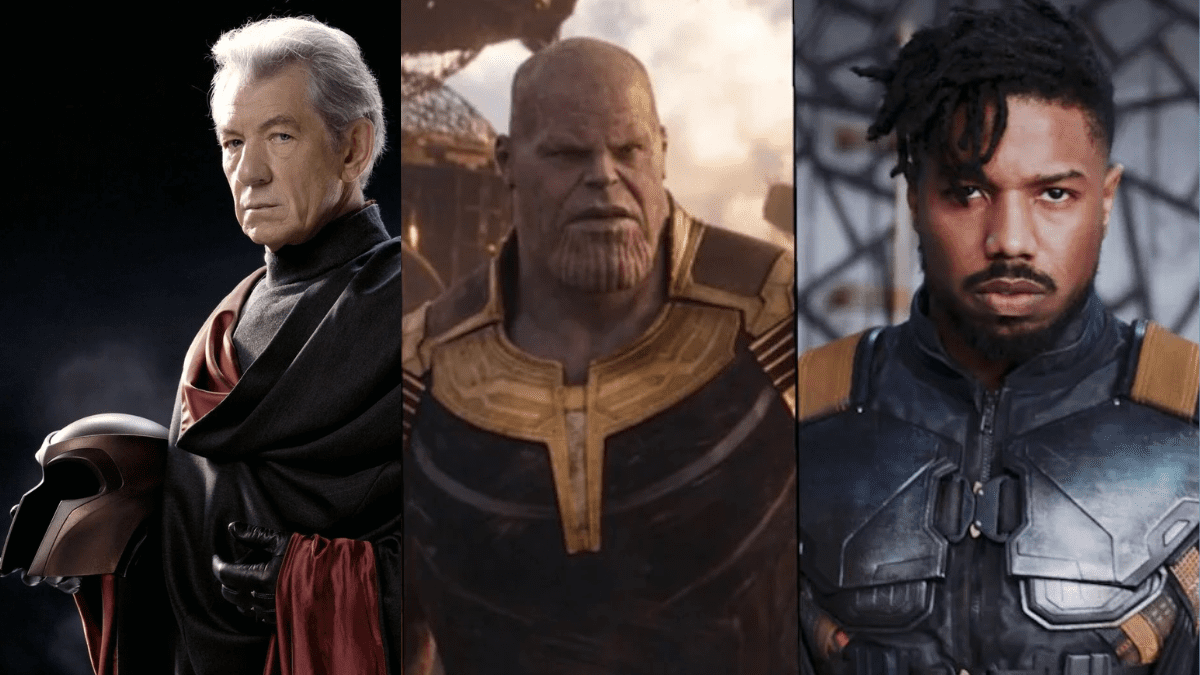
When it comes to the movies, we all love a clean ending. Someone to cheer for, someone to hate, and a neat credit roll that lets us leave the mess in the theatre. Leaving the villain to absorb the discomfort so that we don’t have to. But every now and then, a “bad guy” says something that makes your chest tighten. Not because we disagree, but because you actually recognise the problem they’re screaming about. We come in almost instantly with the “Yes, but.” Yes, but they went too far. Yes, but they’re the antagonist. That one little word “but ” is doing a massive amount of work in keeping humanity comfortable.
Thanos and the Mirror
Thanos is the easiest one to toss aside. Why? Because genocide is an unforgivable act, right?. Simple. If he’s a monster, we don’t have to engage with the ugly truth underneath his “snap.” The truth is that, our resources are limited and our consumption is a train wreck waiting to happen. Thanos didn’t cause that to happen. Humanity did. He just refused to be gentle about it. His crime wasn’t noticing the math. It was deciding that erasing people was easier than actually changing how we live. We look away because it’s not the calculation that bothers us. It’s the mirror he’s holding up that reflects the truth.
Killmonger’s Rage
Killmonger hits closer to home because it’s a bit more intimate. He’s not talking about cosmic balance. He’s talking about justice in a world that’s been telling him to “wait” while power protects itself. His rage comes from watching people with the means to help, like the elite in Wakanda, who do absolutely nothing while others suffer. It’s that “conditional mercy” wealthy nations practice every day. Help only when it’s convenient. Speak in noble terms, but keep the door locked. He’s not insane; he’s just done with the talking.
Magneto’s Warning
And then there’s Magneto. He’s been at this forever. His fear isn’t symbolic if you know anything about the last century. He survived extermination and spent the rest of his life refusing to trust a world that says “never again” while leaving the door wide open. When he says peaceful coexistence is just a story told by people who’ve never had to plead for their lives? There’s no argument for that. We call him a villain because hope sounds better than dread. But history showed him exactly what hope costs when you’re the one being hunted.
Why It Actually Matters
These guys are dangerous because they aren’t dealing in vague, “rule the world” nonsense. They name the systems and patterns we benefit from. We call them “too extreme” because it’s a convenient way to avoid the work of changing anything ourselves. The stories stay the same. The only thing that changes is us. Climate breakdowns make Thanos feel less like a comic book character. Inequality makes Killmonger’s anger feel less like a performance. Hatred makes Magneto’s wariness feel like simple observation.
This isn’t about excusing the harm they do. It’s about admitting that the person on the other side is still pointing at something that needs to be fixed. The scary truth? heroes comfort us and villains make us uneasy. They make us ask the questions we’d rather skip. Like, who benefits when we call patience “wisdom” and anger “dangerous”?
Maybe what really bugs us isn’t that they have a point. It’s that we heard them, we understood them, and then we just passed the baton to someone else. The most frightening thing about these villains isn’t the destruction they cause, it’s how often they’re the only ones willing to say what everyone else is thinking.


