

South Africa’s telco space just got a little spicier. Cell C is celebrating a big win, having been ranked #1 for 4G video experience in South Africa by independent analytics firm OpenSignal. But while they pop the champagne, MTN is not impressed and neither is the Advertising Regulatory Board (ARB), which ruled against Cell C’s bold marketing claim: “Now on SA’s Best Network.”
So what’s really going on?
Cell C’s Comeback Story
For the last two years, Cell C has been rebuilding. Not by throwing up more towers, but by leaning fully into a virtual network model. Instead of owning physical infrastructure, Cell C customers roam on both MTN and Vodacom networks, giving them access to more than 28,000 towers across the country.
It’s a strategy powered by MOCN (Multi Operator Core Network), and it’s starting to pay off. According to OpenSignal, Cell C now leads the pack in one key metric: 4G video performance. That means smoother streams, fewer irritating buffering wheels, and more TikToks, lectures, and Netflix nights with less frustration.
Cell C also earned a global “Rising Star” award for most improved mobile experience. Not bad at all for a brand many had written off just a few years ago.
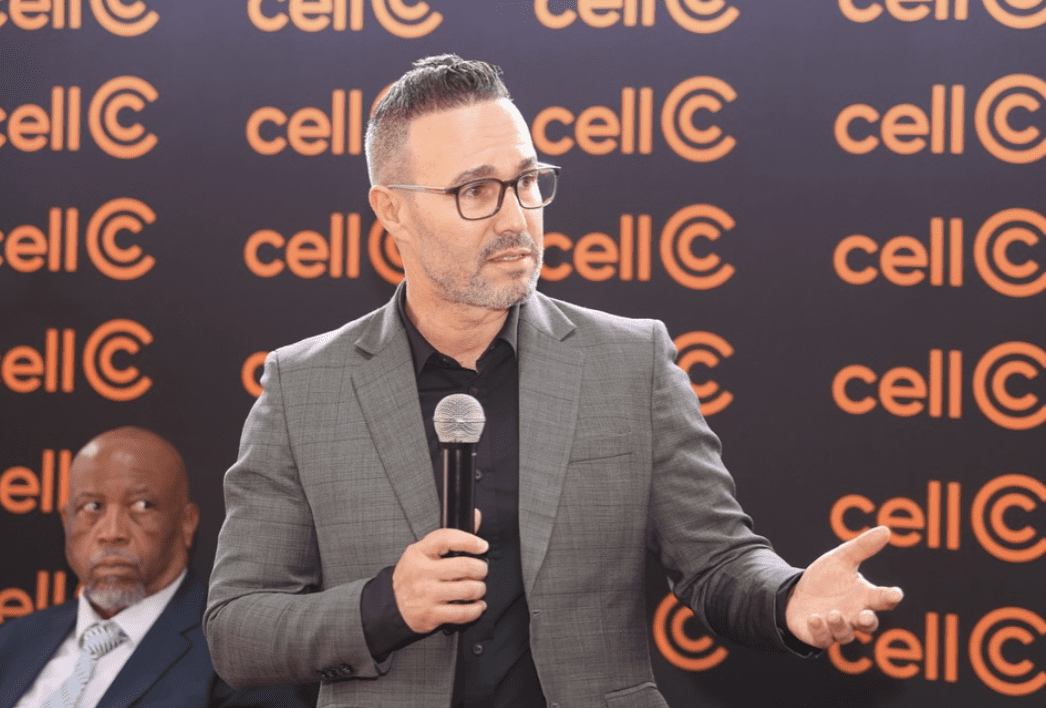
Reflecting on the recognition, Cell C CEO Jorge Mendes said,
“We are immensely proud and grateful for being recognised by an independent global authority such as OpenSignal. It affirms the strategic decisions we have made to reshape our network model. We are especially grateful for the strong network partnerships that have enabled us to provide customers with access to South Africa’s best and most reliable networks.”
Read: Samsung Galaxy Z Fold7 first impressions
But Here’s the Drama
Off the back of that success, Cell C launched an ad campaign with the line “Now on SA’s Best Network.” But MTN was not too impressed.
MTN took Cell C to the ARB, arguing that the slogan was misleading. Their premise being that Cell C doesn’t own the best network. It piggybacks off it. The phrase suggests Cell C itself has built or operates the best network in the country, which isn’t true. The ARB agreed and ruled that the campaign breaches advertising code. While Cell C isn’t an ARB member and doesn’t have to comply, the ruling means ARB member platforms won’t accept that ad anymore.
Okay, So Who’s Right?
Well It depends on how you see it.
On the face of it, there isn’t that much wrong with Cell C’s claim. It is technically factual. Their customers really do use the best network infrastructure, thanks to roaming agreements. They’re not faking anything here and in their words, it’s not about who owns the towers, it’s about how well the network performs.
But MTN and the ARB say that’s not enough. The way the ad is phrased leads people to believe Cell C runs the network itself, which ofcourse it doesn’t. So while technically correct, the messaging is ambiguous.
What It Means for You
From a user perspective, this is good news. Whether you’re a Cell C customer or not, competition is pushing all networks to step up. Cell C is proving that smart partnerships can deliver premium performance without premium prices. Who would have thought, Cell C would be giving the “Big Guys” chest pains. And now that 5G is coming to Cell C later this year, the experience should get even better.
But this also shows how much words matter. You can have a great product, but if the way you sell it overpromises or confuses people, you’re going to land in hot water.
Geekhub Take
Cell C’s virtual network model is clever and clearly working. The appointment of former Vodacom excecutive Jorge Mendes as CEO was a masterstroke. They’re delivering real results in the areas that matter most to everyday users, especially video performance. But their marketing team might need to dial back the boldness just a little and avoid all the regulatory drama.
Either way, it’s clear Cell C is no longer just the scrappy underdog on life support. They’ve earned a seat at the grown-ups’ table. And with 5G in the pipeline, they seem to be just getting started.
