


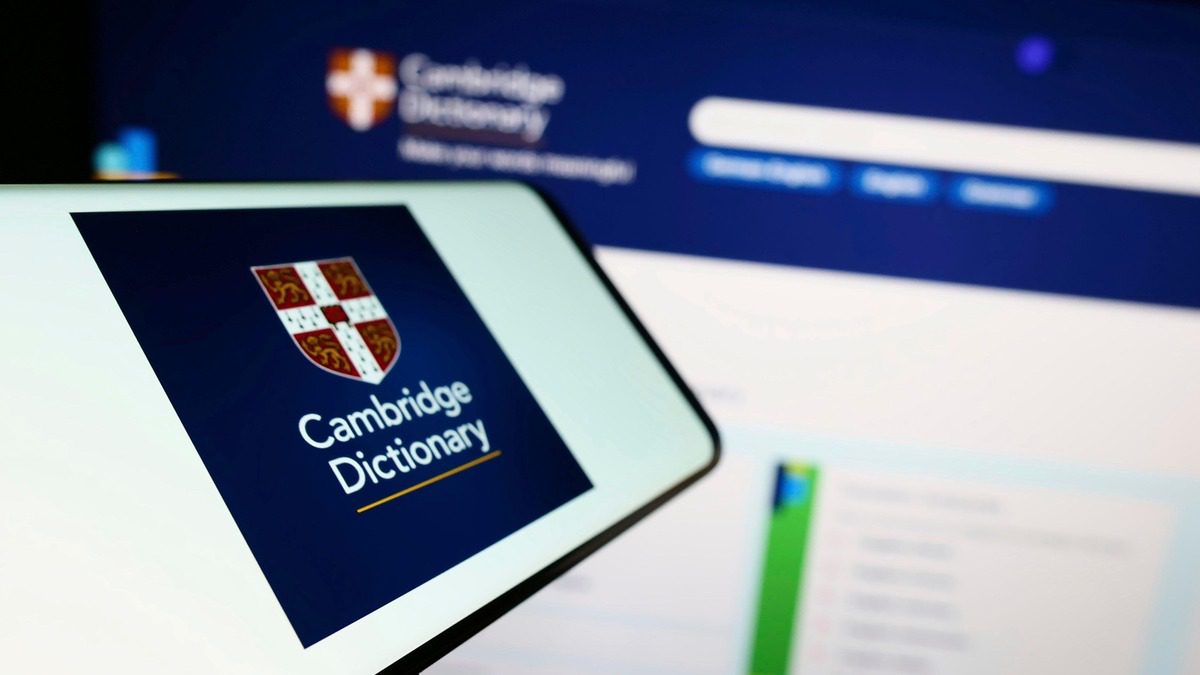
The English language just had another “hold my beer” moment. Cambridge Dictionary has added more than 6,000 new entries, and some of them sound like they were ripped straight out of a TikTok comment section.
Yes, skibidi is now officially a word. So is delulu. And tradwife.
If that makes you roll your eyes, you’re not alone. But it also says a lot about how the internet is shaping the way we talk, and more importantly, how fast those changes are happening.
The Words Everyone’s Talking About
- Skibidi: Straight from the chaotic Skibidi Toilet YouTube series. It doesn’t really mean anything, which is exactly the point. It’s absurd, funny, and somehow useful, kind of like the internet itself.
- Tradwife: Short for “traditional wife.” Think of women on TikTok showcasing domestic life, baking bread, raising kids, and embracing old-school gender roles. Sometimes it is a lifestyle choice, sometimes it is a statement.
- Delulu: A playful way of saying “delusional.” Like when your best friend insists they know their favorite K-pop idol will notice them one day. We have all been a little delulu.
And then there are gems like:
- Mouse jiggler: The ultimate work from home hack to make your laptop look busy while you are definitely not in a meeting.
- Forever chemical: Not as fun, this is a serious term for toxic pollutants that never break down in the environment.
Why Cambridge Is Doing This
Cambridge is not just throwing random TikTok lingo into the mix. They rely on a massive database of real-world language use. When a word keeps popping up in conversations, articles, and online chatter, and shows signs it is here to stay, that is when it earns a spot.
As one linguist pointed out, many of these terms existed in niche groups for years, but platforms like TikTok have turned them into global exports overnight. What used to stay in your friend group or fandom now gets millions of views and becomes part of the mainstream.
The Reactions
Predictably, the internet is split. Some people are celebrating the fact that dictionaries are finally keeping up with the times. Others are horrified, saying things like “English is no longer a language” and that the dictionary is becoming a meme page.
The truth is, dictionaries don’t shape language. We do. Cambridge is just documenting what is already happening in group chats, comment threads, and viral videos.
Final Take
This is bigger than just a few funny words. It is proof that online culture is now culture, period. Memes and trends are not side dishes, they are driving the way we communicate, and institutions like Cambridge Dictionary are taking notice.
So the next time someone calls you delulu or drops a casual skibidi in conversation, just remember, it is not nonsense anymore. It is English.


