



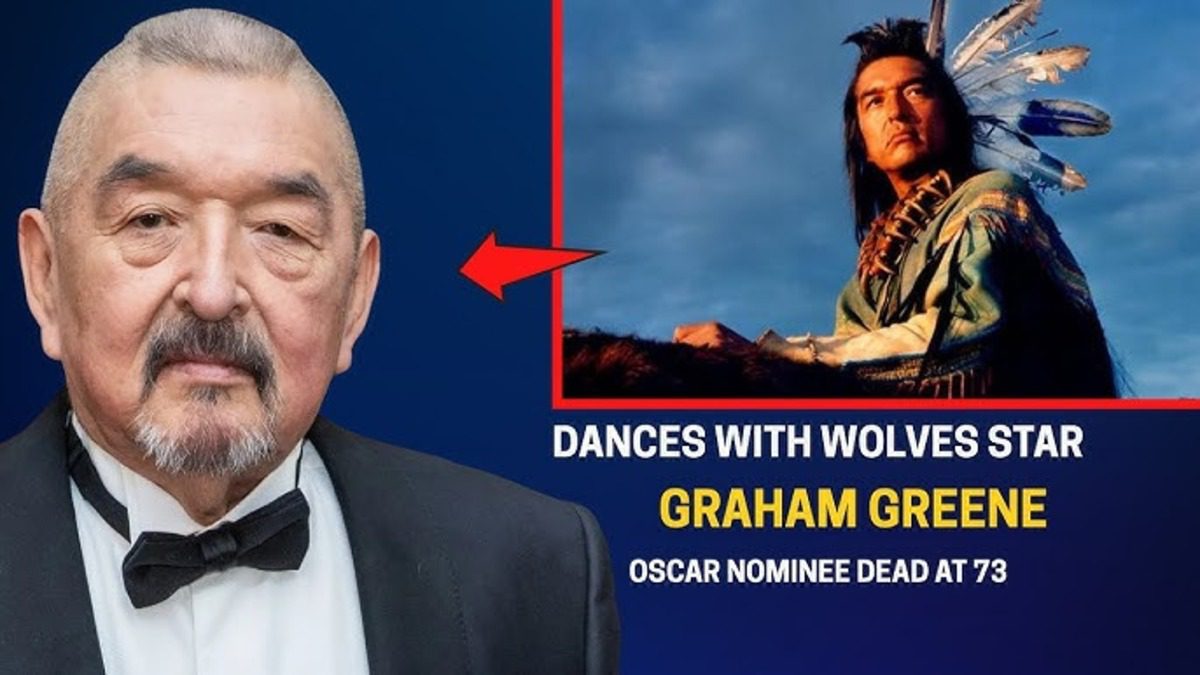
The entertainment world is mourning the loss of Graham Greene, the trailblazing Canadian First Nations actor best known for his Oscar nominated role in Dances with Wolves, who passed away at the age of 73 after a prolonged illness reported Variety. Greene died on September 1, 2025, at a hospital in either Toronto or Stratford, Ontario, according to reports. His passing follows a long battle with illness, though the precise nature of his condition was not disclosed. His agents, including Gerry Jordan and Michael Greene, released heartfelt tributes describing him as a man of “deep morals and character” and poignantly added, “You are finally free.”
Born on June 22, 1952, in Ontario’s Six Nations Reserve, Graham Greene began performing in the 1970s after graduating from the indigenous theatre program. His early work included theatre and television, culminating in a screen debut in 1979 and a film role in 1983’s Running Brave.
Greene’s groundbreaking performance as Kicking Bird, a Lakota Sioux medicine man, in Kevin Costner’s Dances with Wolves (1990) earned him an Academy Award nomination for Best Supporting Actor and helped open Hollywood’s doors to First Nations artists.
Over the next several decades, Greene appeared in a rich array of films and television shows, including:
- Thunderheart (1992)
- Maverick (1994)
- Die Hard with a Vengeance (1995)
- The Green Mile (1999)
- The Twilight Saga installments (2009–2012)
- Wind River, Reservation Dogs, The Last of Us, 1883, Tulsa King
His final film, Ice Fall, completed in 2024, is slated for posthumous release this fall.
Greene’s contributions to film and television earned him numerous accolades, including a Grammy Award for Best Spoken Word Album for Children (2000), Canadian Screen Awards, Gemini Awards, and a star on Canada’s Walk of Fame.
In 2025, he received one of Canada’s highest honours, the Governor General’s Lifetime Artistic Achievement Award, celebrating his enduring impact and advocacy for Indigenous representation.
Greene was known for challenging stereotypes in media and championed authentic and often humorous portrayals of Native peoples. He once remarked that Indigenous people are “very funny,” pushing back against the pigeonholed, stoic image often depicted.
Tributes poured in from colleagues and friends across the industry:
- Lou Diamond Phillips reflected on their friendship:
“An Actor’s Actor. One of the wittiest, wiliest, warmest people I’ve ever known. Iconic and Legendary. RIP, My Brother.” - Gil Birmingham honoured Greene’s cultural influence and heart:
“We have lost a man of incredible talent who made a positive impact on Native representation in film… His great heart was only matched by his wickedly funny sense of humour.” - Robert Patrick called working with him “a privilege” and expressed:
“I loved that man! Absolute legend.”
Greene is survived by his wife of 35 years, Hilary Blackmore, their daughter Lilly Lazare-Greene, and his grandson Tarlo (also spelled Talo in some reports).
His long-lasting impact on cinema, television, and the representation of First Nations communities ensures he will be remembered not only for his powerful performances but also for his warmth, humour, and integrity.
Graham Greene’s career spanned over four decades, touching countless viewers and artists. Born into the Six Nations community, he rose to international acclaim while staying true to his roots and with that, inspired generations with stories that reflected the depth and diversity of Indigenous identity. May his legacy continue to open doors and hearts across the world.


