



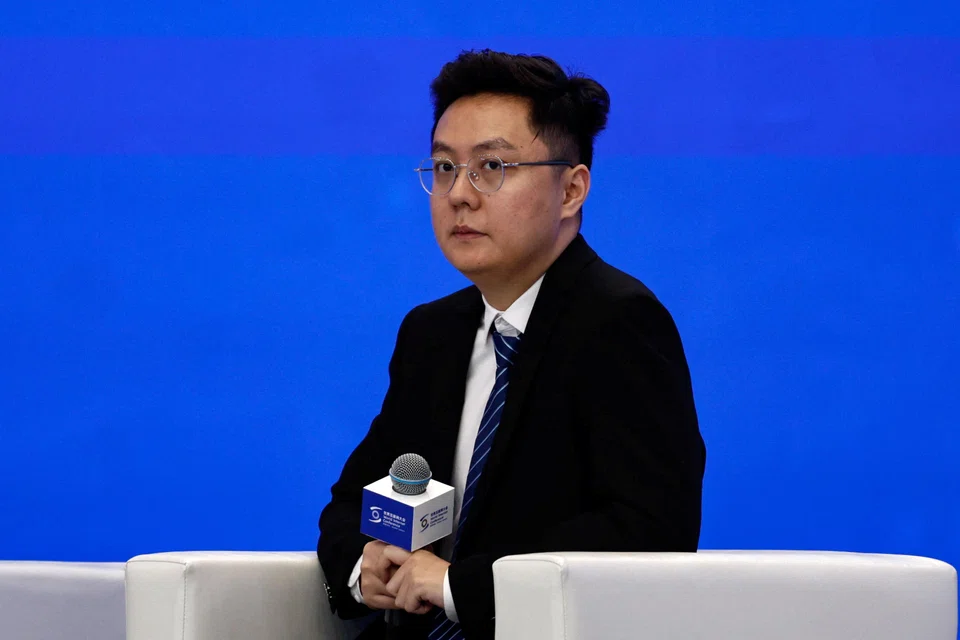
We tend to treat artificial intelligence like the next shiny startup icon: sleek, fast, full of promise. But the Chinese AI outfit DeepSeek just dropped a reminder that we’re not playing around. At a subdued stage of the World Internet Conference in Wuzhen, their senior researcher stood up and said yes, AI can help, but no, we’re not sure it won’t upend society.
Here’s the deal
DeepSeek made headlines earlier this year after releasing a low-cost model that reportedly outperformed major U.S. counterparts. They’ve since gone quiet with no fanfare or public appearances until this recent conference where they pulled back the curtain just a little. The Chinese government is now positioning them as a symbol of national technological strength in the ongoing U.S.-China tech rivalry.
What their researcher said is worth repeating. In the next 10 to 20 years, AI could take over almost all of the tasks humans are doing now. Not just the repetitive ones, but eventually the rest of the work humans perform. DeepSeek believes tech companies must adopt a “defender” role, not just a creator role, to brace for the social and economic fallout.
Why this matters
- When a fast-moving startup says “we might be the problem,” you listen.
- It signals that the idea of AI as “just another tool” is outdated. We’re heading for something more complex: systemic change.
- The fact that this warning is coming from China, where the state, the market, and the tech narrative are deeply connected, makes it especially relevant to the rest of the world.
Three things to keep an eye on:
- Jobs and livelihoods: If AI takes over the majority of work, what happens to the millions of people who depend on those jobs? Retraining? Safety nets? Which countries will handle this better than others?
- Tech companies as custodians: The idea of being a “defender” means companies need to think beyond growth and disruption. They’re going to have to ask difficult questions. What do we owe society? How do we protect human interests when our product replaces roles entirely?
- Geopolitical ripple effects: DeepSeek is tied to China’s domestic chip ecosystem and national tech ambitions. Their success and their warnings are not just about business strategy, but also state strategy. That has consequences for global tech competition, standards, and regulation.
What this means for South Africa (and Africa as a whole)
Here in South Africa, we’re not insulated. If global AI adoption accelerates and restructures work across industries, we’ll feel it, especially in economies where job creation is already fragile. DeepSeek’s message forces us to ask whether we’re preparing properly. Are our education systems, labour policies, and innovation ecosystems ready for something bigger than incremental change?
Bottom line
AI is not just the latest buzzword. When a major player in the space says “brace yourself,” it’s time to take that seriously. We’re staring at a future where work, value, and power could be reshaped completely. Tech companies, policymakers, and individuals cannot treat this as a curiosity. They should treat it as the next existential pivot.


