



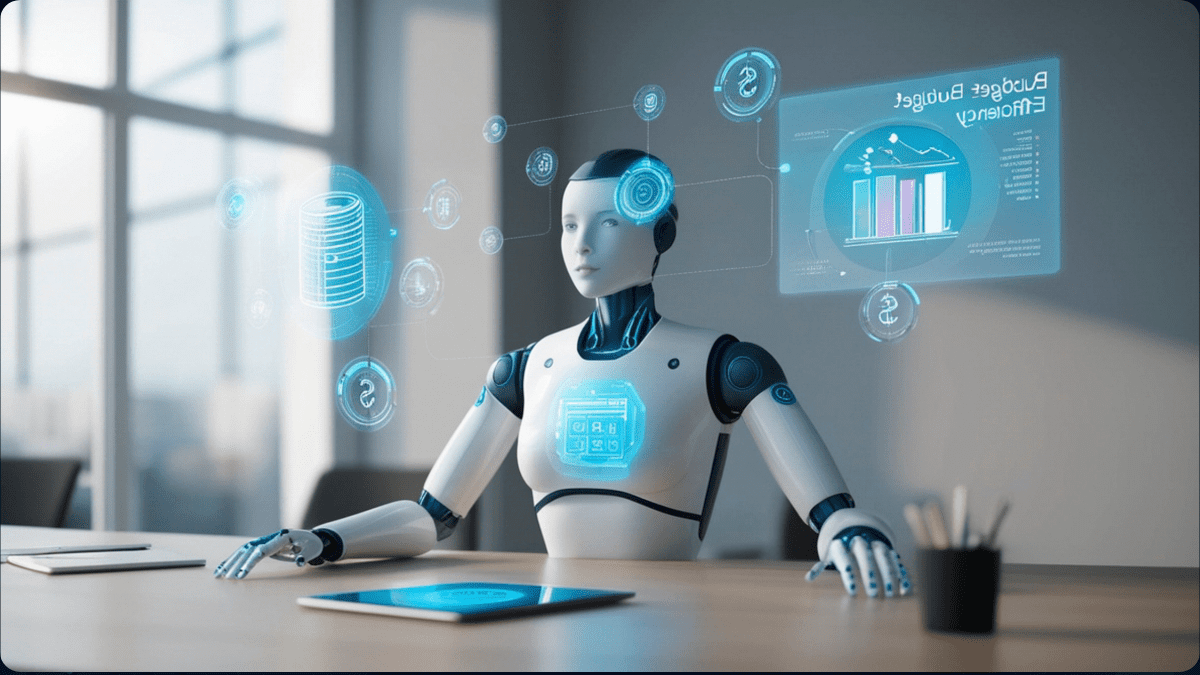
Surrounded by Smart
We live surrounded by things that call themselves smart. Smart phones, smart homes and smart assistants that wake up before we do. Oh, let’s not forget smart watches, that steal our attention with every ping. Everything listens, tracks, and promises ease. And yet, something still feels out of place. It doesn’t feel broken or useless, it just feels…..empty.
Patterns Without Purpose
You know, despite all its cleverness, there is a major gap when it comes to most smart tech understanding humans in ways that matter. Smart tech understands patterns and habits. Our schedule for ordering takeout or which playlist we play when we’re sad at any given hour. But sadly it doesn’t understand why humans behave this way. Convenience has become the headline feature, while connection has become a thing of the past. Smart tech is bloody amazing, we save seconds everywhere now. We tap instead of type, swipe instead of choose and automate instead of decide. And voilà, life is smoother, faster with less friction. Yet somehow more exhausting.
Efficiency Over Meaning
Smart tech is obsessed with efficiency. Something humans aren’t built for. We’re built for meaning, pauses, contradictions, and can be quite messy. We change our minds all the time. Wanting different things on different days. We don’t always want the fastest route. Sometimes we want the scenic one, just to find an escape from the noise. But smart tech hates ambiguity. All it cares about are clear signals, preferences, and inputs. So it nudges us toward predictability and routine. Where we become the most easily understood version of ourselves. That’s not intelligence. That’s convenience dressed up as care.
Personalised, Not Personal
Take the idea of personalisation for example. On paper, it sounds intimate, tailored into something that sees you. However in practice, it often feels like being followed around by a stranger who once overheard half a sentence and decided that’s your entire personality. You listened to one breakup song and now your entire feed is grief and despair. Or maybe you searched for one thing out of curiosity and now it’s your new identity. And when you paused on a video for two seconds and that’s your future apparently.
Where Context Disappears
Context becomes a thing of the past, accompanied by your moods.And what’s worse is that there is zero respect for the fact that humans explore without committing. Smart tech remembers everything that humans need the freedom to forget. Then there’s communication. We’ve never had more ways to reach each other, and yet so many conversations feel thinner than they used to. They have become very short. We tend to communicate more with the help of emojis than actual words. We now have read receipts without tone. Typing indicators without intention. And to top it all, algorithms deciding which voices get amplified and which quietly disappear. And just like that, connection has become measured by engagement, not depth. By how quick we respond, without being present. Smart tech keeps us in touch, but it doesn’t always keep us together.
Tools, Not Managers
And maybe that’s our main issue. Technology keeps solving for speed, scale, and optimisation. Humans keep craving slowness, intimacy, and being seen without being analysed. I speak for myself, when I say, I don’t want devices that anticipate my every move. But I am pretty sure that there are many more like me out there, who want tools that respect our complexity. We want tech that supports our lives, not ones that try to manage them.
The Case for Restraint
The smartest moments with technology often aren’t the flashiest. They’re the quiet ones. When something works without asking for attention, or by enhancing a human moment instead of interrupting it. When it steps back. A photo that captures a memory instead of staging it. A playlist that meets your mood without boxing you into one. A device that helps you disconnect, not just stay online longer. Why?…..because, real intelligence understands restraint.
Humane Over Hype
Right now, smart tech is very good at doing more. What it still struggles with is knowing when less would be better. Don’t get me wrong, I am not anti technology. I am simply reminding you of who its supposed to serve. We don’t need smarter machines as much as we need more humane ones. Ones that leave room for silence and uncertainty for days when we don’t know what we want and don’t want to be nudged toward anything at all.
Because the future won’t feel smarter when everything predicts us perfectly. It’ll feel smarter when technology remembers that being human was never about convenience alone.


