

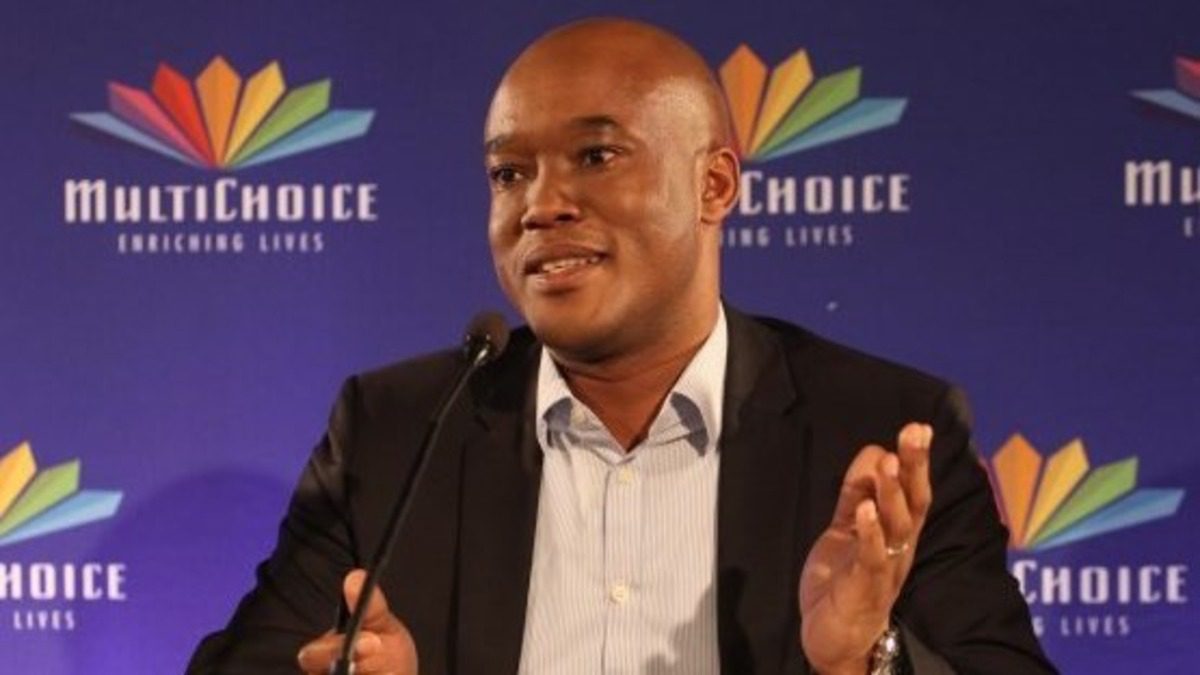
MultiChoice Group is expediting its internal review into the possibility of separating SuperSport from its traditional DStv packages, a move that could allow subscribers to access general entertainment without being locked into costly sports bundles. The review comes in the wake of a sharp decline in subscribers and rising consumer pressure across its African markets.
Speaking to TechCentral after the release of the company’s financial results for the year ending 31 March 2025, MultiChoice Group CEO Calvo Mawela confirmed that the broadcaster aims to conclude the investigation by March 2026. If the outcome is favourable, it could mark a major shift in DStv’s business model, potentially aligning with global pay-TV practices like those used by Sky in the UK—where sports content is offered as an optional add-on.
Mawela noted,
“We think that in this financial year we should have a view of which direction to take, and as soon as we have made that, we should be able to update you.”
However, he stressed that any changes must lead to both revenue and profit growth, cautioning against actions that could further damage the company’s financial standing.
Crucially, Mawela also ruled out licensing SuperSport content to rival broadcasters.
“Sport is our key differentiator. It drives stickiness. It drives subscribers to come in … it drives [customer] acquisition … so we need to keep it exclusive [to us],” he said.
This acceleration comes amid troubling signs for the broadcaster. MultiChoice reported a loss of 1.2 million paying DStv subscribers over the past year, driven largely by economic challenges and increased competition from global streaming services like Netflix and YouTube Premium.
“The past two financial years have been a period of significant financial disruption for economies, corporates and consumers across sub-Saharan Africa due to challenging macroeconomic factors,” the company stated. It also highlighted the rising threat of piracy, the growth of streaming, and the lure of social media as contributors to its deteriorating performance.
Read: Starlink and South Africa: A Satellite, a Sovereign, and a Storm of Questions
Despite these headwinds, Mawela argued that the core of the issue lies not in strategic missteps but in the financial strain facing households. “People are stretched financially, and they are making calls on whether [to buy] entertainment or food. And of course, food will always take precedent; school fees and all the other things will take precedent over pay TV.”
In response, MultiChoice is testing more flexible payment options, including a pilot project in Uganda that offers weekly DStv subscriptions. If successful, the model may be expanded to other countries, including South Africa, to help cushion customers from full-month payment obligations.
The coming months will be critical for MultiChoice as it navigates the balancing act between innovation and financial sustainability, all while trying to retain its position as Africa’s premier pay-TV provider.
Source: Tech Central
