

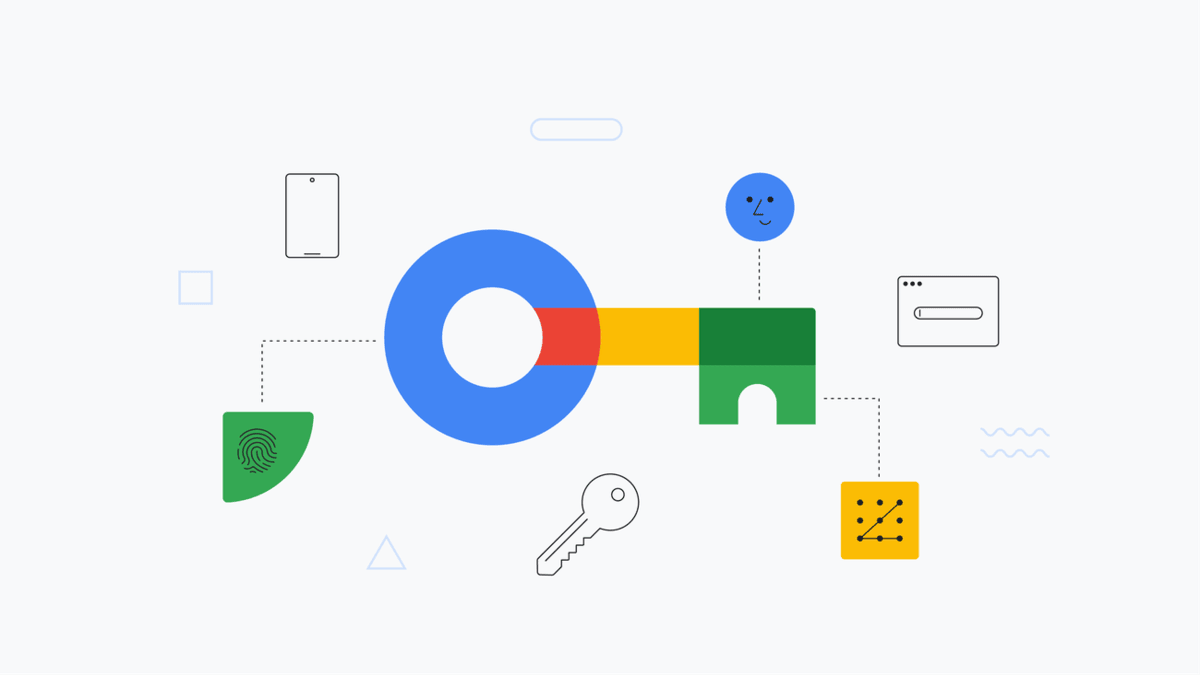
There’s a quiet revolution happening under our noses. One that signals the end of something we’ve lived with for decades. The password. That clumsy string of characters we’ve forgotten more often than we’ve remembered. The digital equivalent of a rusty padlock we all knew was easy to pick, but kept using anyway because, well, it was our padlock.
Now, Microsoft and Google are pulling the plug. And they’re not whispering about it. Microsoft’s warning is loud, clear, and final. By August 2025, passwords saved in its Authenticator app will vanish. No more saving. No more autofill. No more turning to it when your brain draws a blank. Google is already further down the road, nudging users into the world of passkeys, a cleaner, faster, more secure way to log in. No passwords. No phishing. Just your face or fingerprint unlocking your world.
It’s efficient. It’s secure. It’s also a little… melancholic.
Because passwords weren’t just functional. They were personal. Your first pet’s name, mashed together with your birth year. A football team you’ll never admit you used to support. The ex you thought you’d never get over. Passwords were imperfect, fragile, human.
And now we’re trading them in for something invisible. Something clinical.
Why the Shift?
The truth is, passwords have always been a weak link. Billions of them have been leaked, stolen, cracked, guessed. In fact, CNET recently pointed out that half of U.S. users still reuse passwords, and worse, many don’t use even basic two-factor authentication. It’s not just sloppy. It’s dangerous. Like locking your front door and leaving the key under the doormat.
So yes, passkeys make sense. They’re virtually impossible to phish. They stay on your device. They sync across platforms. They strip away the entire ritual of typing, remembering, resetting.
But let’s not pretend this shift is only technical. It’s deeply psychological.
Read: AI’s Coming for Your Job – Unless You’re a Plumber
The Human Side of Security
When Microsoft says, “Passkeys offer an improved user experience,” what they mean is that your identity now lives in the cloud, tethered to your device and biometrics. You don’t need to “remember” anything anymore. The system knows who you are.
That’s convenient, sure. But it also raises a quiet existential question. If your access to the world is reduced to your face or thumbprint, what happens when the system doesn’t recognize you?
We’ve seen that glitch before. A camera in bad lighting. A fingerprint that doesn’t scan after a long day’s work. The growing concern that if your identity is compromised, there’s no password to reset. Only trust to rebuild.
Adapting Without Losing Ourselves
Still, progress is inevitable. Microsoft’s timeline is fixed. By next August, the Authenticator app will no longer hold your secrets. You’ll need to move them to Edge, to a password manager, or better yet, to a passkey-enabled setup. Google’s already halfway there, with billions of passkey logins in the wild.
But let’s remember this. Transitions are not just about technology. They’re about people.
There will be those who resist. Not because they don’t understand, but because change often feels like loss. And in a world that’s already shifting beneath our feet — AI, automation, synthetic realities — letting go of something as familiar as a password feels like saying goodbye to an old friend. One who may have let us down a few times, sure, but who also kept us company through the wild, early days of the internet.
The Road Ahead
Passwords are dying. Not with a bang, but with a timeline and a corporate blog post.
And maybe that’s okay. Maybe it’s time.
But as we move into this new world of seamless sign-ins and biometric gates, let’s not forget the value of digital habits that made us pause. That made us think. That reminded us we were fallible. And that being fallible was human.
Security should evolve. But it should also remain something we understand, not just something we accept. So yes, adopt passkeys. Set up 2FA. Export your Authenticator data before the deadline.
Just don’t forget where we came from. Or how personal security used to feel.
