



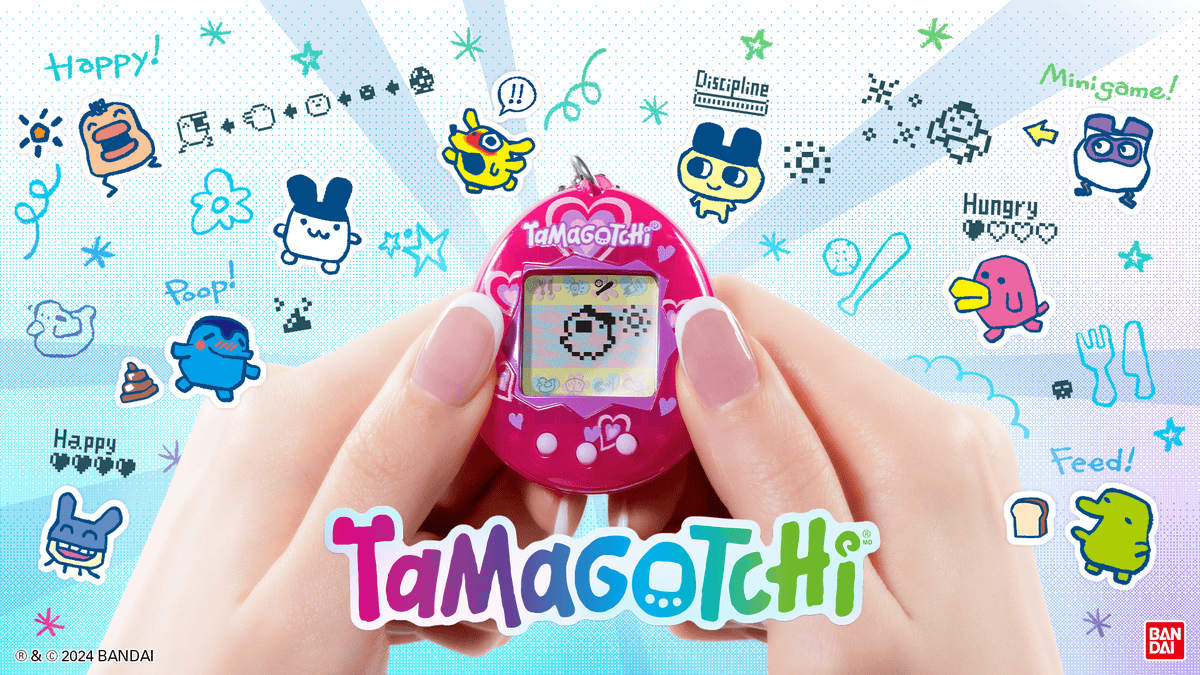
This throwback Thursday, we time travel to 90’s. The late ‘90s was a wild time – a period when people had to use dial-up internet, boy bands played on the radio, and the technology was only just starting to feel futuristic. But among all that craziness, one tiny, quirky, egg-shaped device somehow managed to teach us more about responsibility than most school lessons ever did.
Yeah, I’m talking about the Tamagotchi — that little plastic pet that didn’t just eat and poop, but demanded your attention like it was your sole purpose in life. And honestly? It kind of was.
A Digital Pet That Made You Feel Things
You’d think something as basic as three buttons and a few pixels wouldn’t have the emotional pull to make you care. Yet somehow, it did. That beep when your Tamagotchi was hungry brought on an instant jolt of anxiety. The relentless crying because you forgot to clean up its mess? That was pure guilt.
It wasn’t just about feeding pixels or cleaning up after them though. This toy created a sense of being needed. Tamagotchi took responsibility and made it real. You couldn’t just hit pause, chuck it to the side and come back when you felt like it. If you messed up, your digital buddy didn’t just shrug it off, it freakin died. That gut-wrenching beep when you realized you’d neglected it was brutal. This wasn’t just a game, it wasn’t just a toy it was a bloody commitment.
When Simple Was Profound
Looking back, it’s almost genius how Tamagotchi turned simplicity into something profound. You had just three buttons and a monochrome screen, but somehow, it felt like your entire world when you were 10 years old. Schools banned them because the beeping was too distracting. Parents confiscated them because dinner didn’t matter when your Tamagotchi was on the brink of death.
And we’d always find a way to sneak them back. Why? Because it wasn’t just a toy. It was your little buddy who depended on you. Neglect had consequences, and that was a lesson that actually stuck.
Tamagotchi Grows Up (Just Like We Did)
Jump to today, and Tamagotchi hasn’t just survived, it’s evolved. In the early 2000s, they started connecting to each other through infrared, which felt like wizardry back then. Now, The Tamagotchi Pix has a color screen and connects online. The Tamagotchi Uni has Wi-Fi, so your little buddy can meet other digital pets from around the world.
It’s crazy to think that something that used to just beep and pixelate has become this connected. Yet somehow, despite all the upgrades, it’s still about nurturing something simple. The core hasn’t changed: it’s just you and your little creature, trying to make it through another day without starvation or disaster.
Why Gen Z is On Board Too
Here’s something that caught me by surprise though: Gen Z — the ones used to hyper-realistic graphics and open-world gaming, are actually into Tamagotchis too. Maybe it’s the contrast from today’s always-on, notification-heavy digital landscape. Maybe it’s the appeal of something that doesn’t judge you or spam you every five minutes. It just needs you.
In a world full of distraction, that pure, no-strings-attached connection still hits differently. It’s like finding comfort in a far simpler time, a time when keeping a pixelated pet alive felt like an actual accomplishment. Honestly, I sometimes long for those simpler times too.
Why It Mattered (and Still Does)
Tamagotchi wasn’t just a trend, it was a lesson wrapped in plastic. It taught us about empathy and responsibility in the most low-tech way possible. No HD graphics, no voice commands, no AI induced sleepwalking, but just a few pixels that needed you to show up. And somehow, that meant a lot. People today still share their stories about forgotten Tamagotchis and their experiences with their digital pets from the past. Keeping a Tamagotchi alive demanded more than digital care since it required actual dedication alongside the uncomfortable feelings you experienced when you made mistakes.
The Tamagotchi experience brought together both its notification sounds and the small triumphs as well as the satisfaction of watching your pet survive through a day. It wasn’t perfect, but it taught us something real.
Similar Read:


