



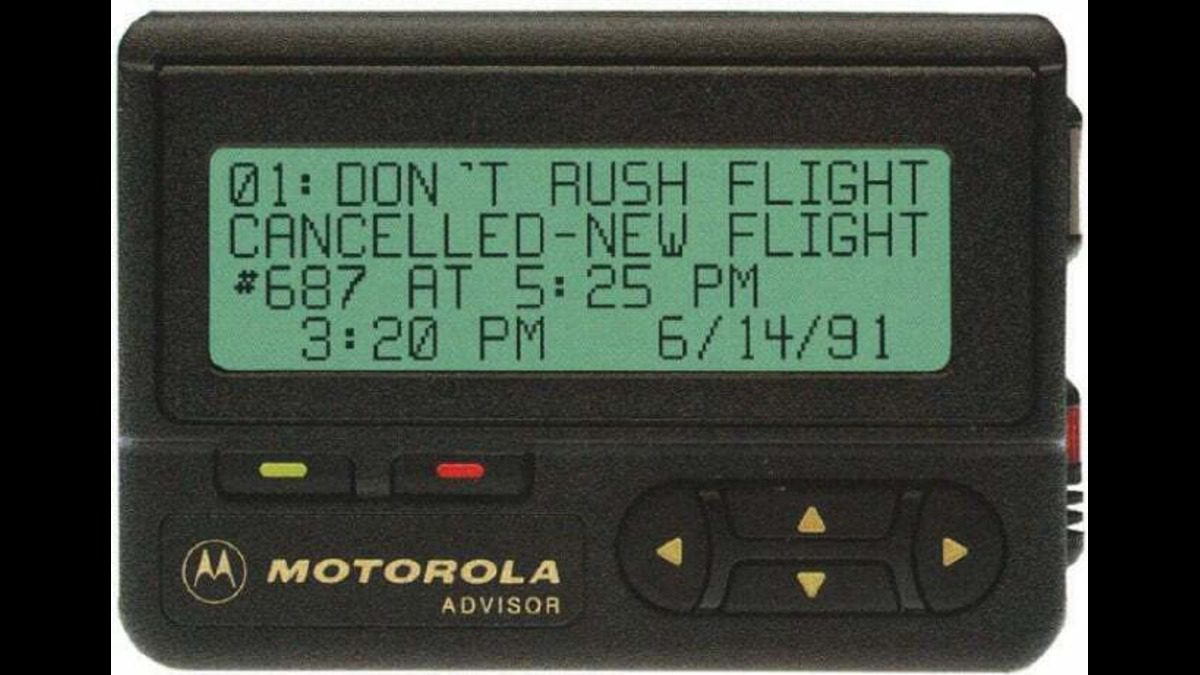
Before the relentless buzz of WhatsApp groups… before the dopamine trap of Instagram notifications… before smartphones hijacked our attention spans—there was the pager.
That little plastic box clipped to your belt wasn’t just a device. It was status. It was urgency. It was the original “you up?” long before sliding into DMs was a thing. It didn’t play games, didn’t have a camera, and definitely didn’t care about your TikTok followers. But when it beeped, you knew it mattered
Let’s take it back.
The Simplicity of the Beep
The pager didn’t try to do everything. It had one job: get your attention. And it did it well.
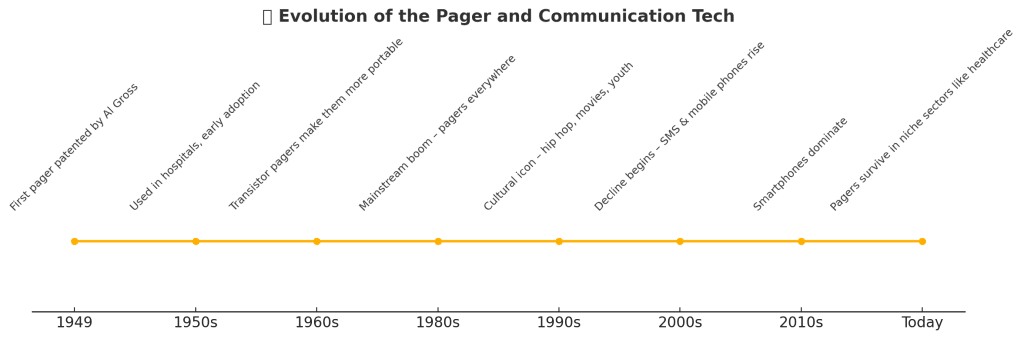
Born in the late ’40s and popularised through the ’80s and ’90s, pagers, also lovingly called beepers—were the lifeline for doctors, emergency responders, and yes, hustlers. If your pager went off in the middle of the night, someone either needed saving… or a hookup.
For all its limitations—no screen (at first), no texting, no calls, the pager was reliable. It had signal in places modern phones still struggle. It lasted days, sometimes weeks, on a single AA battery. And it didn’t pretend to be your best friend. It just beeped. You called back. Job done.
Peak Beeper: When Everyone Had One
By the early ’90s, pagers hit their peak. Motorola was cranking them out like candy, and if you were anyone—a doctor, a CEO, a teenager who somehow convinced your parents it was “for emergencies”, you had one clipped to your jeans like a badge of honour.
And then came the culture.
Rappers shouted them out. Movies used them as plot devices. Schools started banning them because apparently, drug dealers loved them too. But that only added to the pager’s street cred.
You didn’t scroll. You didn’t swipe. You beeped and moved. Communication was deliberate, even elegant. Imagine that.
The Slow Fade
Of course, tech doesn’t sit still.
By the time SMS took off and Nokia 3310s started showing up in pockets, the pager’s days were numbered. Why beep someone and wait when you could just send a text? Why call a return number when you could get the message right there?
The fall wasn’t dramatic, it was gradual, like watching an old friend slowly fade into the background. Useful, reliable, but forgotten. Replaced by the flashier new kid on the block: the mobile phone.
Legacy Mode: Still Alive in Quiet Corners
Pagers never truly died though.
In hospitals around the world, they still beep away quietly in the pockets of nurses and surgeons. Because when your fancy 5G signal drops in a building with thick lead-lined walls, guess what still works?
The pager. Simple. Reliable. Still doing its job.
From Pagers to Pixels: A Bigger Story
Zoom out for a second. The pager wasn’t just a gadget—it was a turning point.
It marked the shift from static communication (landlines and voicemails) to mobile, on-demand access. It planted the seed for a world where being reachable 24/7 became the norm. A world we’re now drowning in.
Today’s communication tools owe a lot to the humble pager. The expectation that someone can reach you any time? That started here. The stress of being always on? You can trace that lineage back to a beep at 2:00 AM.

Why It Still Matters
The pager reminds us of a time when communication was intentional. When brevity was a virtue. When being reachable meant something serious, not just another notification to ignore.
In an age of overstimulation and constant noise, there’s something oddly beautiful about a single, piercing beep that said, “Call me. It’s important.”
Maybe we lost something in the upgrade.


