



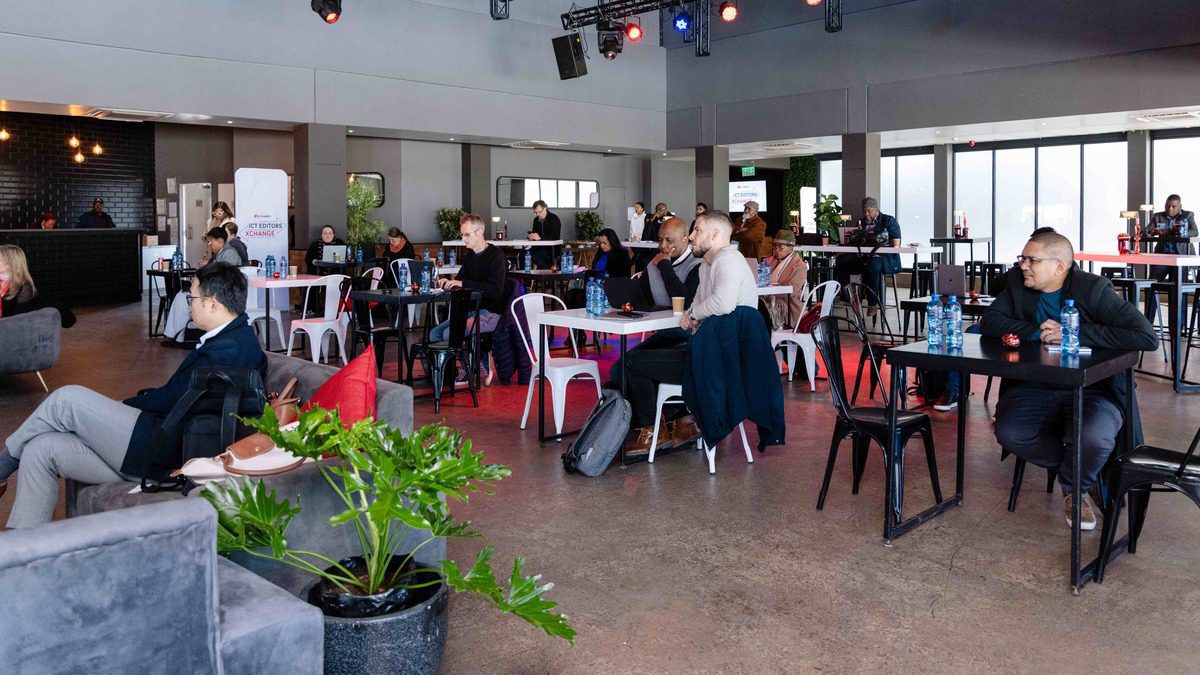
It was my first time attending the annual Huawei Editors Xchange,held this past Wednesday —and it was pleasantly surprising to witness a tech event not pushing product updates or another acronym into the industry buzz pool. What it did do, was force you to zoom out and ask harder questions—about people, systems, and purpose.
Held under the theme “Ecosystems That Scale the Future,” the event wasn’t a parade of announcements, infact it was very low key and intimate. It was a call to rethink the very foundations of our digital world: not as hardware or bandwidth, but as living ecosystems designed to support human progress.
Scaling the Invisible


Charles Cheng, Huawei SA’s Deputy CEO, opened with a line that stuck with me:
“Digital ecosystems matter insofar as they enable a better, more fulfilling life.”
That may sound obvious, but in the tech world, where speed and hype often trumps substance,it’s surprisingly radical.
Too often, infrastructure is spoken about as something cold and static. What Huawei proposed was the opposite: systems that adapt, learn, connect, and scale. It’s infrastructure that starts to think. And when Diego Han shared the story of a fully autonomous mining fleet in Inner Mongolia—powered entirely by Huawei’s AI, cloud, and 5G stack, it felt less like a case study and more like a glimpse into where we’re headed.
But as impressive as that is, the real test is whether these intelligent systems can scale in places like South Africa,where infrastructure gaps, digital inequality, and policy inertia still cast long shadows.
Brainware Over Bandwidth

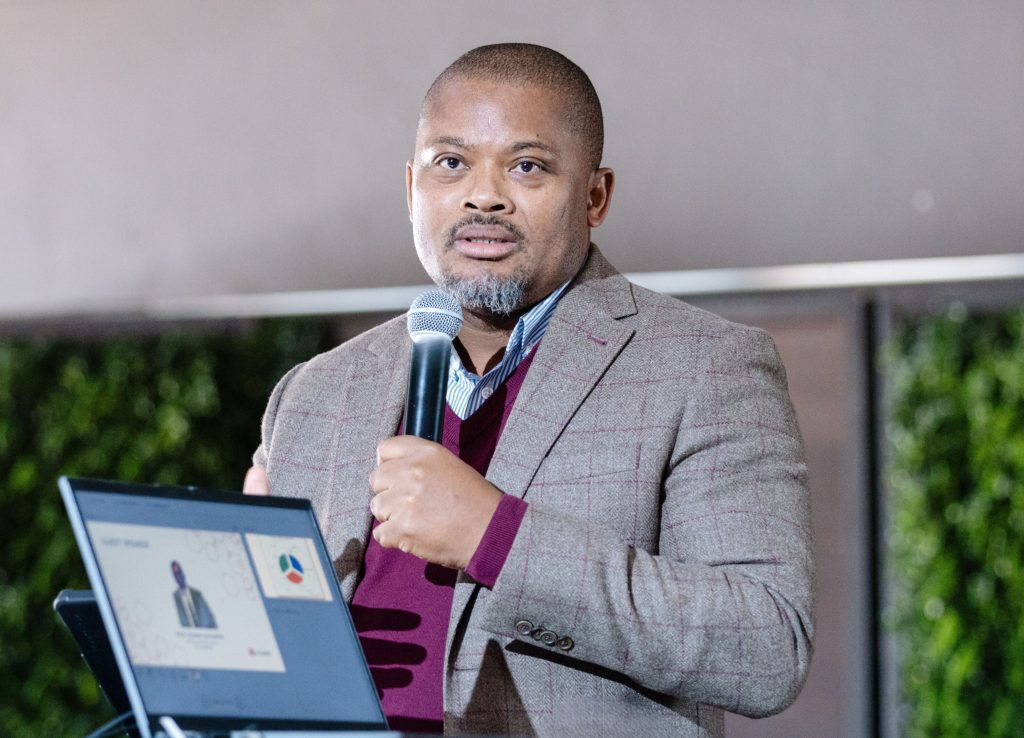
Professor Busani Ngcaweni, Principal of The National School Of Government, said something else that hit home.
“We are not just procuring hardware or software. We are investing in brainware.”
He’s right. The public sector isn’t just trying to digitise but trying to rebuild how it thinks, decides, and serves. And that transformation isn’t about tools. It’s about people.
The pandemic taught us that. South Africa’s use of USSD and WhatsApp to distribute relief grants wasn’t flashy, but it was effective. It worked because it met people where they were, not where we wished they’d be.
Ngcaweni’s point was clear: if we adopt tools that outpace our readiness, we set ourselves up to fail. True digital transformation needs leadership that can see beyond the tech and design systems rooted in public value, not vendor brochures.
Read: Huawei Just Flipped the Script on African Logistics with a Smart Warehouse
AI in Healthcare Needs More Than Data


The most grounded moment of the event came from Tania Joffe of Unu Health. Her message was that while AI is already transforming healthcare, without access, trust, and infrastructure, it won’t mean much to the people who need it most.
Her team is building tools that use facial scans to monitor vital signs, and LLMs to create digital twins of patient groups for more accurate, tailored care. It’s smart, ambitious work. But she reminded us that tools alone don’t fix broken systems.
You need smartphones, you need connectivity, and most of all, you need trust. And that doesn’t come from tech. It comes from intention.
The Real Message
Underneath all the cloud and AI talk, Huawei’s Editors Xchange wasn’t about digital transformation in the abstract. It was a call for a shift in mindset, from infrastructure as product to infrastructure as public good.
If we get this right, we stop building for scale and start scaling for people.


