



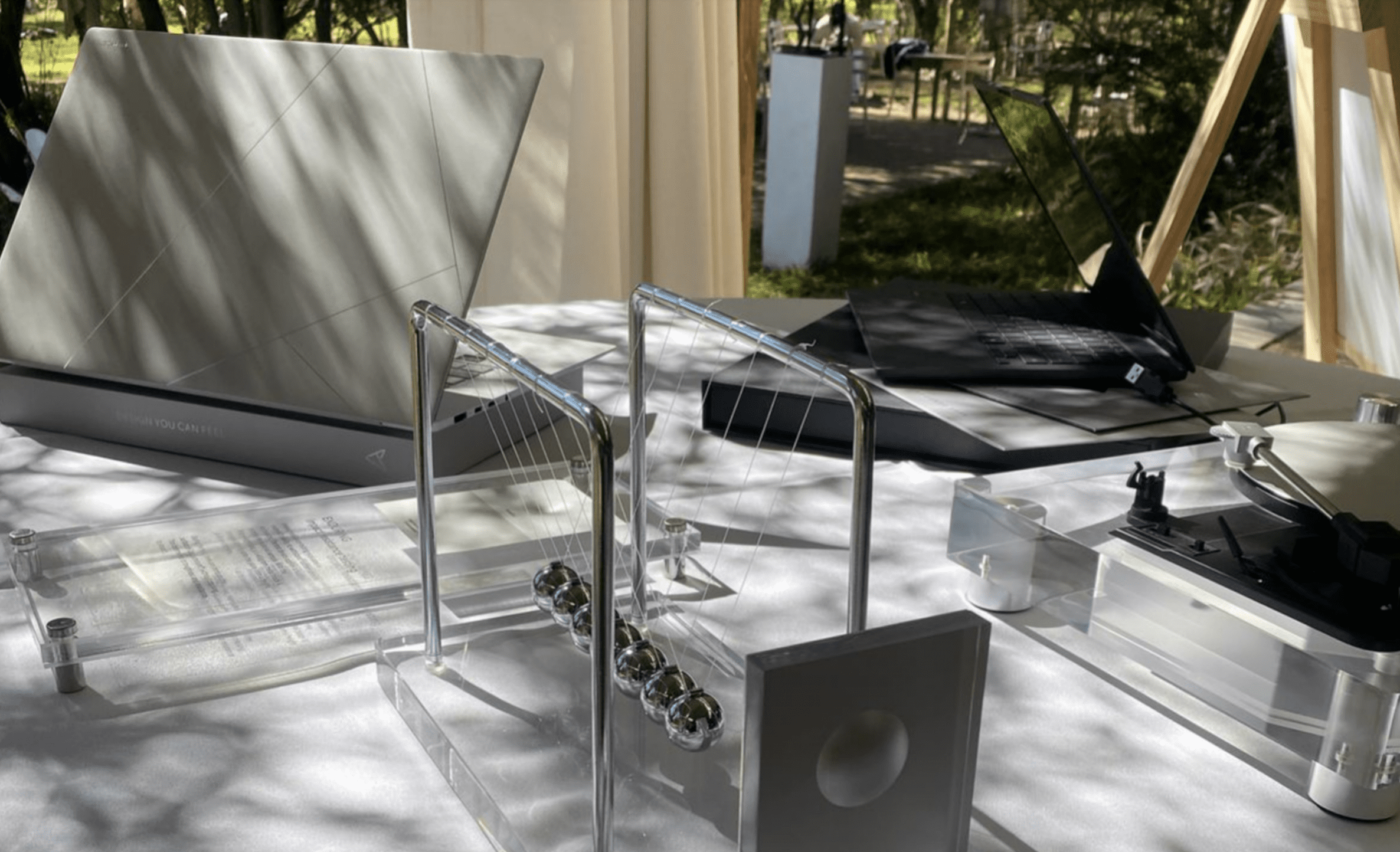
Yesterday, I swapped the usual showroom lighting and PowerPoint decks for something far more elemental: sun, sculpture, and the strange alchemy of technology filtered through art and nature. ASUS South Africa hosted its “Design You Can Feel” event at the serene Nirox Sculpture Park, and it wasn’t just a product showcase but a full on experience. One that ditched the spec-sheet spiel in favor of something tactile, sensory, and deeply curated.
This wasn’t just about showing off the new Zenbook Ceraluminum range and the futuristic Zenbook Duo. It was about feeling design in its purest form.
A Journey Through the Senses
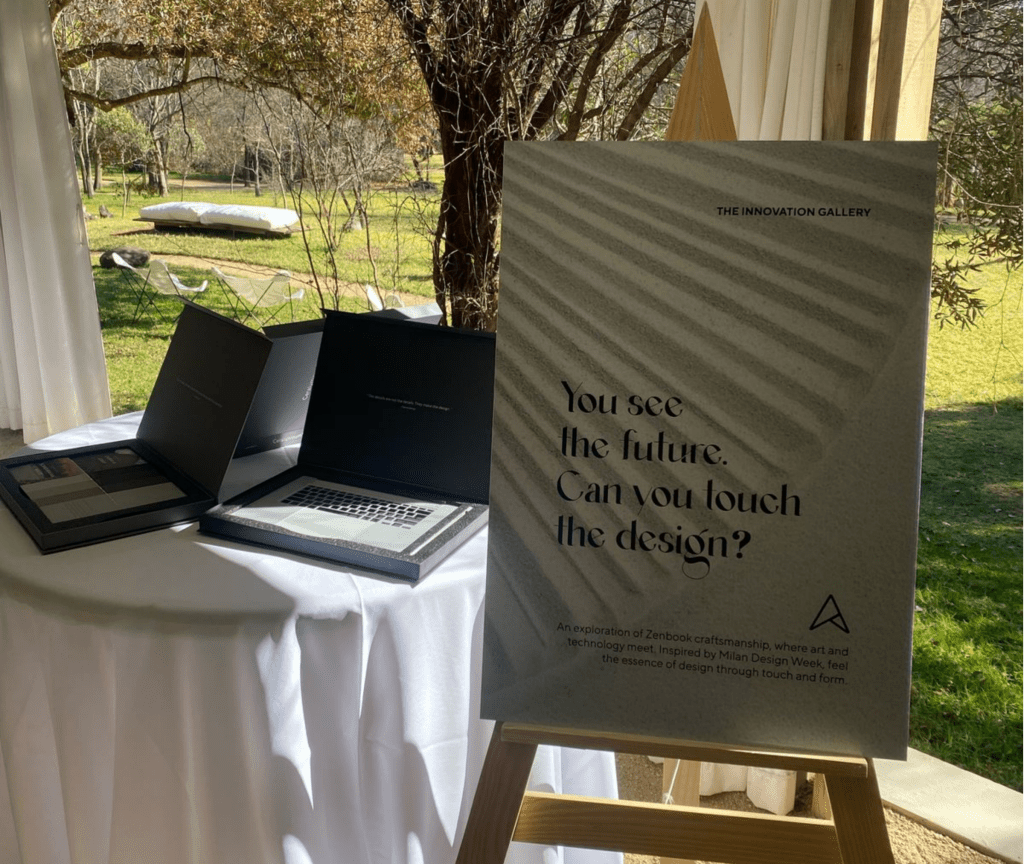
From the moment we arrived, it was clear this event had a different pulse. ASUS didn’t just want us to see their devices. They wanted us to taste them (yes, really), smell them, touch them, and engage with the thinking behind them. Five sense zones framed the event, each themed around a dimension of ASUS’s design philosophy.
There was a “smell room,” probably the first time I’ve sniffed my way through a tech experience, inspired by the material palettes used in ASUS products. A curated menu, crafted by culinary heavyweights like Chef Ransley, Leah Tsonye, Andrea Burgener, and the Nirox team, turned product textures and surfaces into gourmet interpretations. It was ambitious, a little surreal, and somehow it worked.
The Star: Zenbook Ceraluminum
If you’ve never heard of “Ceraluminum” before, you’re not alone. It sounds like a Marvel villain or a new mineral Elon Musk just discovered. But this is real, and it’s ASUS’s secret weapon. The new Zenbook range uses this industry-first ceramic-aluminum hybrid that is three times harder than regular anodized aluminium. Think the lightness of aluminium, the scratch resistance of ceramic, and a finish that feels like stone polished by wind and time.
We weren’t just told about it either. Guests handled raw material samples. It all just felt expensive, premium in-fact with whispers craftsmanship. ASUS spent four years refining this material, and it shows.

The Zenbook Duo: A Glimpse of the Future
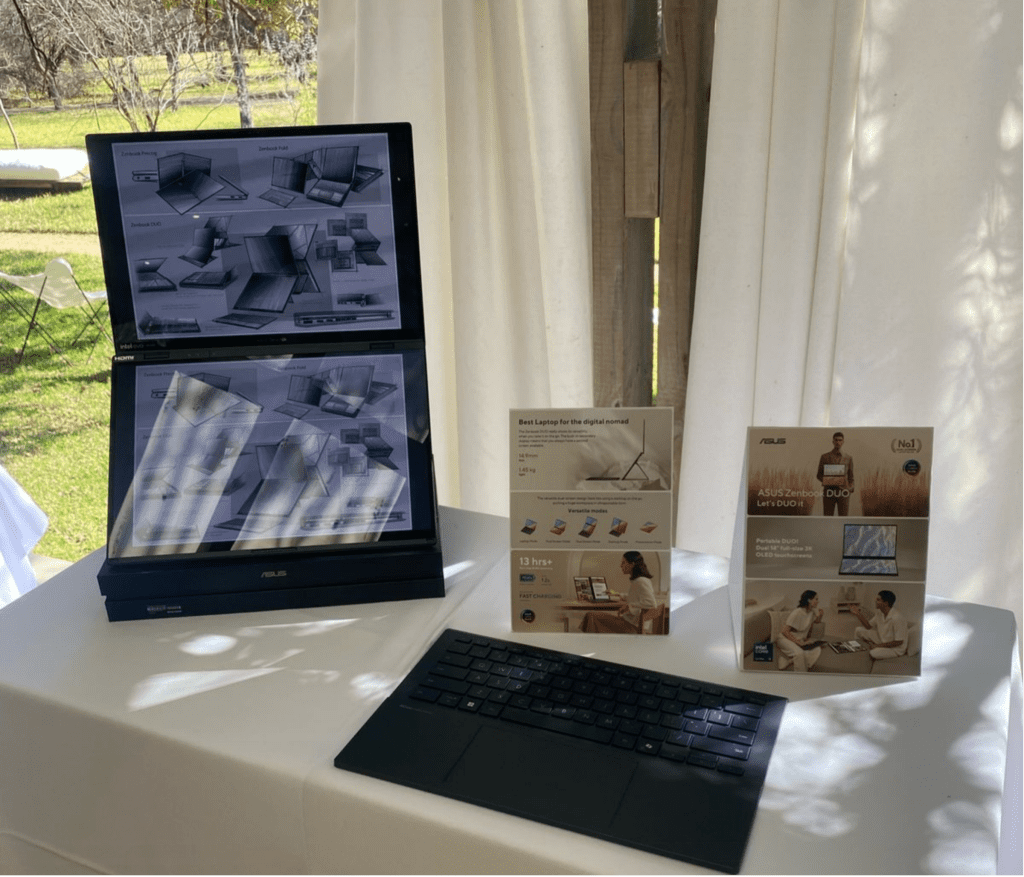
Then came the Zenbook Duo. If the Ceraluminum models are about elevating classic design, the Duo is about bending the rules of laptop ergonomics. It’s the latest in ASUS’s dual-screen lineage, and this one feels like it finally got the formula right.
Coraline Lin from ASUS’s Taiwan Design Team dialed in virtually to talk us through the process. Dozens of prototypes, user-centered design iterations, the decision to go with a detachable Bluetooth keyboard, and a clever foldable stand built right into the device. The result is a dual-screen laptop that doesn’t feel like a gimmick but like a genuine productivity tool that’s actually usable in the real world.
I had some hands-on time with it back in February and the ergonomics make more sense than you’d expect. It’s the kind of device that makes you rethink what a laptop should be. Not just a clamshell with keys, but a modular tool that adapts to how and where you work. You can read my full review HERE: Asus Zenbook Duo (2025) Review: A dual screen marvel

Final Thoughts
Most tech events these days, throw around words like innovation, design, and experience like confetti. But ASUS backed it all up with intent. By grounding the launch in a physical, sensory-rich space like Nirox, they reminded us that great design isn’t just seen. It’s felt. Whether it was the earthy texture of Ceraluminum, the aroma of the materials room, or the satisfying click of the Duo’s keyboard snapping into place, every detail was considered.
“Design You Can Feel” isn’t just a slogan here, but rather a statement. One ASUS is betting will resonate not only with power users and creators but with anyone who cares about how technology integrates into the textures of everyday life.
And honestly, after yesterday, I’m inclined to agree.
For more info on the Zenbook range, visit ASUS SOUTH AFRICA


