



This story contains MAJOR spoilers from the Squid Game season three finale
Squid Game Creator Reflects on Final Season, Legacy, and Future Possibilities
After six years of relentless focus, Hwang Dong-hyuk closes the book on his global phenomenon.
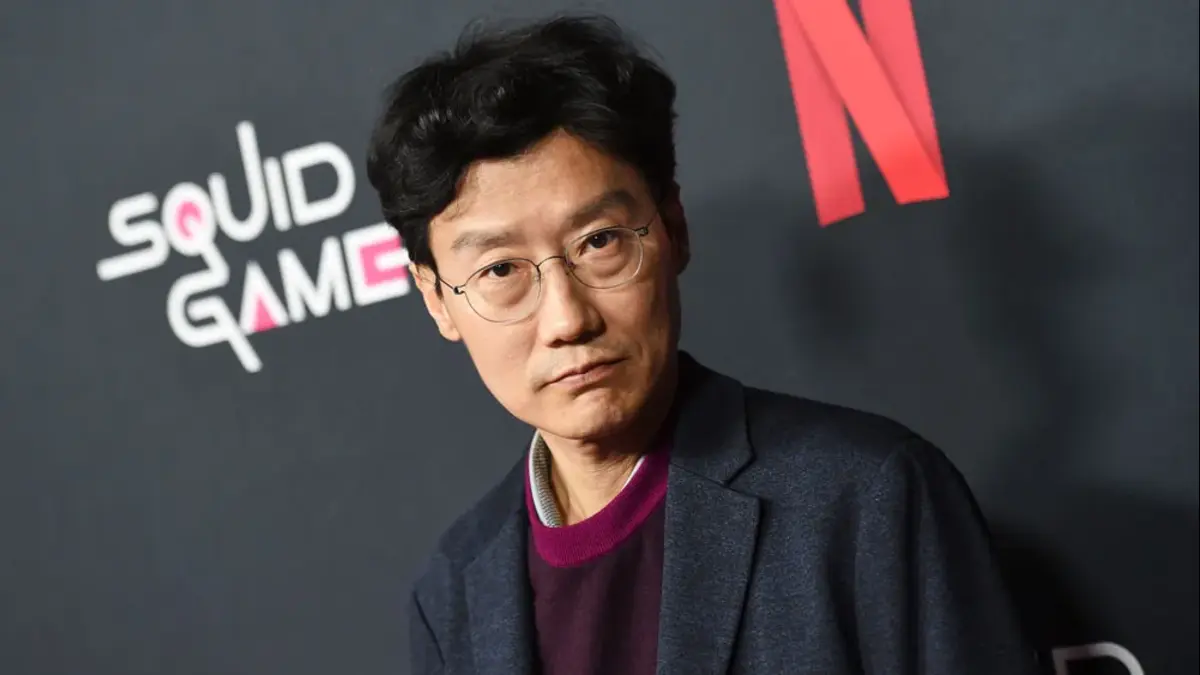
Few are more emotionally invested in the Squid Game saga than its creator, Hwang Dong-hyuk, who has poured six years of his life into the dystopian thriller. As the third and final season premieres, Hwang says not a day has passed without thinking about the show: “This is something that has completely consumed me.” said Hwang in an interview with THR
Final Chapter: Gi-hun’s Fate and a New Winner
Following the explosive global success of season one in 2021, Squid Game returned with back-to-back seasons two and three. Now, the series concludes with six final episodes, wrapping up the journey of Seong Gi-hun (Lee Jung-jae), the reluctant champion of season one. Gi-hun’s story ends in tragedy, where he sacrifices himself to ensure the survival of Jun-hee’s newborn baby, the child of fellow contestant Player 333, who eventually becomes Player 222 and wins the final game.
A World Too Real: Themes of Power, Division, and Hope
Season three leans heavily into political allegory, especially through the new Os vs. Xs voting system, which Hwang uses to reflect modern-day democratic disillusionment and rising extremism. Despite the violence and despair, most players still choose to continue, which is a chilling parallel to real-world voter choices.
The series also gives greater attention to the VIPs, the elite orchestrators of the games. Unlike in season one, these figures now operate out in the open. A commentary on how today’s powerful individuals flaunt their influence more visibly than ever before.
A Baby as Symbol: Conscience and the Future
Jun-hee’s storyline, particularly the inclusion of her baby, raises the stakes dramatically. For Hwang, the baby represents both innocence and the next generation, the reason to fight for a better world. Gi-hun’s decision to protect the child, even at the cost of his own life, is the ultimate expression of redemption.


Building and Breaking Gi-hun
Hwang admits the toughest part of writing season three was charting Gi-hun’s emotional downfall and eventual rise. Burdened by guilt from past failures, Gi-hun projects blame onto others, ultimately committing a murder that marks a turning point in his arc. His sacrifice is both punishment and absolution.
Creating the Games: Jump Rope and Beyond
Among the many intense sequences, the Jump Rope game stood out as both a visual and emotional highlight. Though easy to write, the scene was difficult to film due to the technical demands of syncing actors and integrating CGI. More psychologically complex games like Hide and Seek and Sky Squid Game challenged Hwang on a deeper narrative level.
The Future of the Franchise
While there are rumours of a David Fincher-led English-language spinoff and even a cameo from Cate Blanchett as a recruiter in the finale, Hwang insists the story ends here, at least for now. If a continuation ever happens, he’d rather explore the gap between seasons one and two than move the timeline forward.
Saying Goodbye After Six Years
Hwang endured immense stress, even losing teeth across the years of developing Squid Game, including during this final chapter. Though relieved the secretive finale is finally out, he admits to feeling a deep emptiness: “If season three is met with as much love as season one, I think I’ll feel less empty about saying goodbye.”
Summary:
- Squid Game ends with Gi-hun’s death and a new winner emerging: a baby symbolising hope.
- Season three explores modern themes: political extremism, public-facing elites, and moral collapse.
- Creator Hwang Dong-hyuk reflects on the emotional toll and legacy of the series.
- A surprise Cate Blanchett cameo hints at expansion, but no sequel is planned yet.
- Any spinoff would likely explore past events, not continue the current story.


