



You won’t believe what Apple did to 7,000 of its own computers
In 1983, Apple dropped a computer so far ahead of its time, nobody was ready for it. The Apple Lisa had a graphical interface, a mouse, multitasking, protected memory — things we take for granted today. But it came with one fatal flaw: a $10,000 price tag. That’s like buying a Mac Pro today and not getting a display.
Lisa bombed. Hard. By the time Apple moved on to the Macintosh, thousands of unsold units were sitting in storage collecting dust. Most companies would write them off. One guy saw an opportunity.
Meet Bob Cook. Tech recycler. Visionary. Unlucky.
In the mid-80s, Bob Cook ran a company called Sun Remarketing in Utah. He had a thing for failed tech, and he saw Lisa not as a relic but a goldmine. He bought 7,000 units directly from Apple. That’s right — thousands of brand-new, boxed Lisas at a massive discount.
But Cook didn’t just flip them. He invested over $200,000 upgrading the machines, rebranding them as the Lisa Professional, and building a market for them among education institutions and collectors. For a while, it worked. He turned a flop into a functional machine with a second life.
Then Apple came knocking.
September 1989: The day the Lisas died
Out of nowhere, Apple demanded all remaining Lisa units be returned. No explanation. No backroom drama. Just a phone call, a truck, and a contract clause they decided to enforce.
What happened next is the kind of thing that would have Reddit forums fuming today.
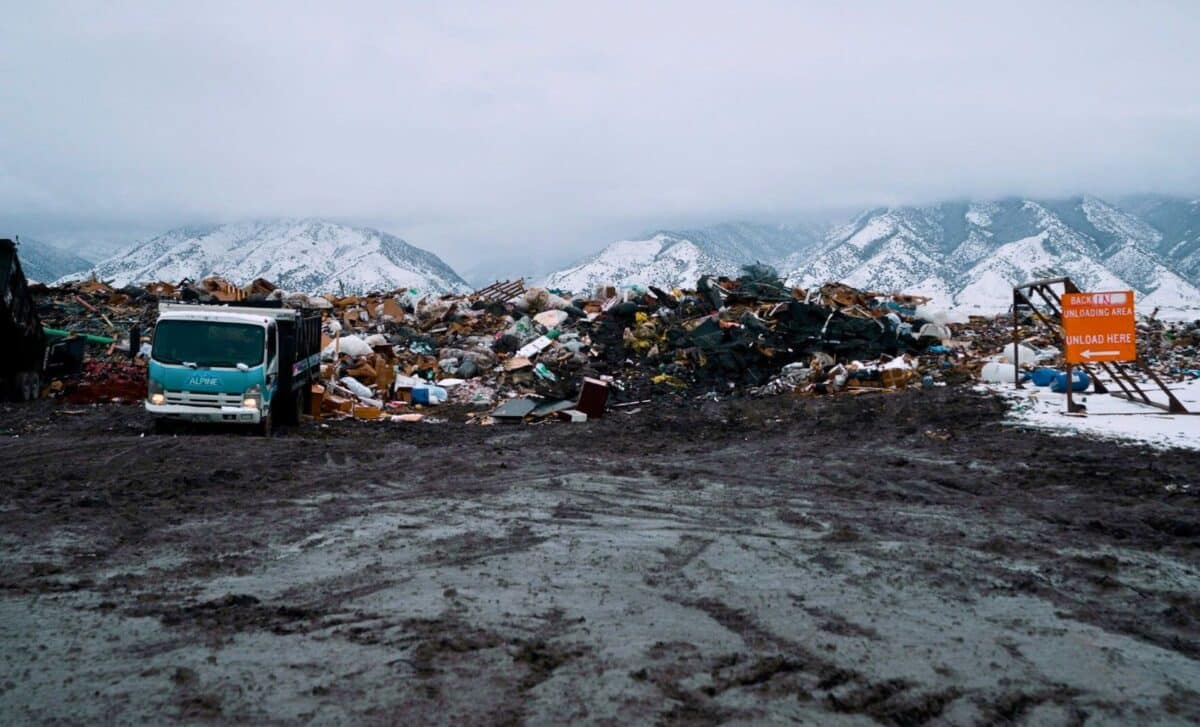
Apple collected 2,700 remaining Lisas and took them to a landfill in Logan, Utah. And crushed them. Every last one.
Not resold. Not recycled. Not donated. Just obliterated.
Why would Apple destroy perfectly good computers?
No official reason was ever given, but we can make some educated guesses.
- Image control: Apple has always been about tightly managing perception. A bunch of outdated machines floating around in 1989 didn’t fit the clean, forward-looking brand they were building.
- Steve Jobs’ pride: Jobs reportedly hated the Lisa by that point. He considered it a blemish, not a badge of honor.
- Customer support headache: Apple didn’t want to deal with software, drivers, or complaints from people using ten-year-old hardware in a new era.
- Apple being Apple: Control has always been part of the company’s DNA. They don’t just own the tech, they try to control the ecosystem long after it’s sold.
The environmental hypocrisy
Fast-forward to today, and Apple is singing the green gospel. Recycled aluminum, carbon-neutral products, and trade-in programs. Great. But in 1989, they sent truckloads of usable tech to the dump without blinking.
If this happened now, the PR backlash would be massive. Back then, nobody batted an eye. That’s the wild part.
So what’s the lesson here?
If you’re in the tech game — whether as a reseller, collector, or enthusiast — remember this: the manufacturer always holds the power. Even when you think you’ve got a good deal, they can swoop in and end the party. Ask Bob Cook.
This story isn’t just about crushed computers. It’s about how fragile innovation can be when legacy, ego, and control get in the way. The Lisa wasn’t a failure of technology. It was a failure of timing, pricing, and, ultimately, corporate culture.
Today, surviving Lisa units are collector’s items. But 2,700 of them? They’re buried in a landfill under layers of dirt, bad decisions, and corporate paranoia.
TL;DR for the Geekhub crowd
| Year | What happened |
|---|---|
| 1983 | Apple launches the Lisa. It’s expensive and bombs. |
| 1986 | Bob Cook buys 7,000 units to refurbish and resell. |
| 1989 | Apple demands return of remaining stock. |
| Same year | They crush and bury 2,700 Lisa units in Utah. |
| Today | Apple talks green, but that landfill still exists. |
This isn’t just lost tech. It’s a reminder that owning hardware doesn’t always mean owning the future. Especially when the company that made it decides you don’t get to.
Welcome to tech history, Apple-style.


