

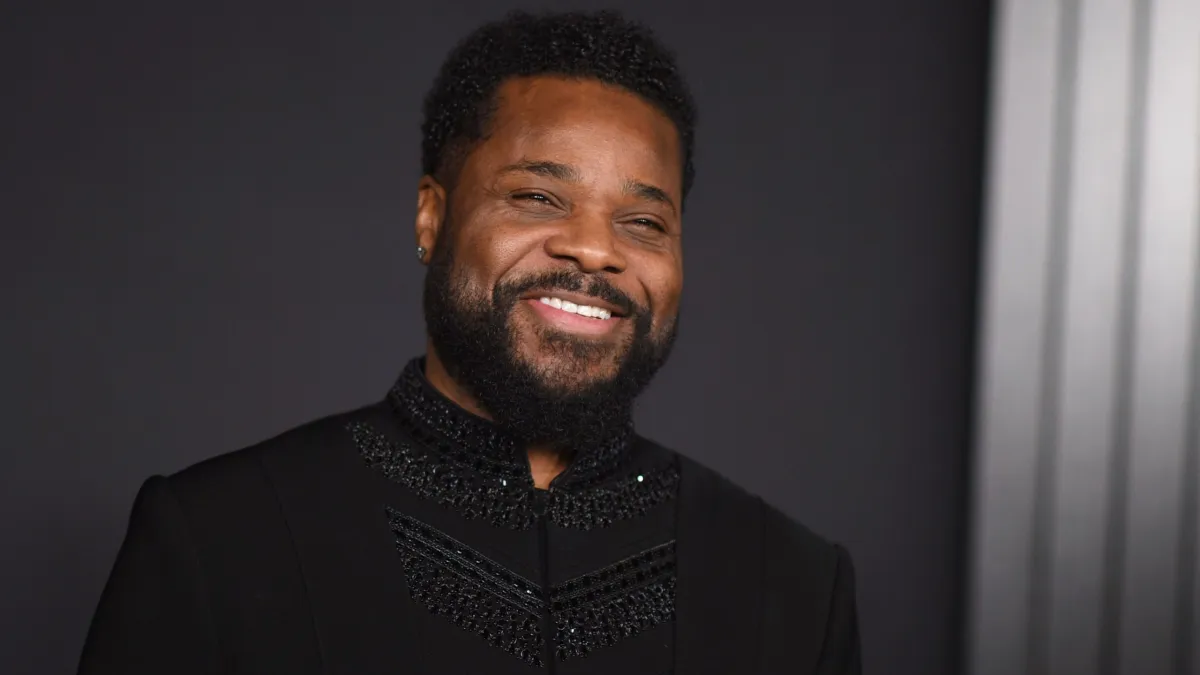
If you grew up in the 80s or 90s, you probably knew him as Theo Huxtable. The laid-back, slightly goofy, yet lovable son on The Cosby Show. But Malcolm-Jamal Warner was more than just a character on a sitcom. He was a cultural touchstone, a multi-talented creative, and one of the rare child stars who transitioned into adulthood with purpose and class.
On July 20, 2025, Warner tragically passed away at the age of 54 after drowning off the coast of Costa Rica during a family vacation. The news has hit hard. Not just because we lost a familiar face from our screens, but because we lost a voice that still had much to say.
What We Know
Warner was swimming at Playa Cocles (some reports cite Playa Grande in Cahuita) when he was caught in a powerful rip current. Despite CPR attempts by bystanders and emergency services, he was pronounced dead at the scene. A second man involved in the incident remains in critical condition.
The official cause: asphyxiation by submersion.
From Prime-Time to Purpose
While The Cosby Show (1984 to 1992) catapulted him to fame, Warner didn’t fade into nostalgia like many former child stars. He kept evolving. Acting in series like Malcolm & Eddie, Sons of Anarchy, The Resident, American Crime Story, and 9-1-1. He also directed episodes for shows like All That and Kenan & Kel, voiced The Producer on The Magic School Bus, and even snagged a Grammy in 2015 for best traditional R&B performance alongside Robert Glasper and Lalah Hathaway.
He wasn’t just working. He was curating a career rooted in intention, creativity, and Black excellence.
Tech, Culture, and the Quiet Hustle
What made Warner resonate so deeply wasn’t just his acting chops. It was his multidimensional hustle. He was a poet, a musician, a podcast co-host (Not All Hood), and a quiet advocate for the value of substance over hype.
This is the kind of figure we at Geekhub admire. Someone who moved across platforms and genres without losing authenticity. Warner didn’t chase virality. He chased growth — artistic, personal, and cultural.
Legacy: More Than Nostalgia
In one of his final interviews, Warner spoke candidly about legacy, saying:
“There’s part of me … knowing people knew that I was a good person.”
That quote hits different now. In a world obsessed with clout, Malcolm-Jamal Warner played the long game. He cared about how he lived, not just how he was perceived. He didn’t need a trending moment to prove his worth.
Why It Matters to Our Audience
At Geekhub, we talk a lot about evolution. Of tech, of creativity, of people. Warner’s story is a masterclass in adaptation. He grew up under the harsh lights of American television but never let that define his ceiling. He showed us how to shift, stay grounded, and keep creating without selling your soul.
He also reminded us of the human behind the algorithm. Behind every nostalgic meme or rerun clip is a person who lived, who struggled, and who mattered.
A Final Word
Malcolm-Jamal Warner wasn’t just part of TV history. He was part of cultural memory. He helped define a generation of Black representation on screen and spent the rest of his life deepening that impact off-screen.
To his wife, daughter, and loved ones — our thoughts are with you.
Rest in Power, Malcolm-Jamal Warner.
You’ll always be part of the story.
