



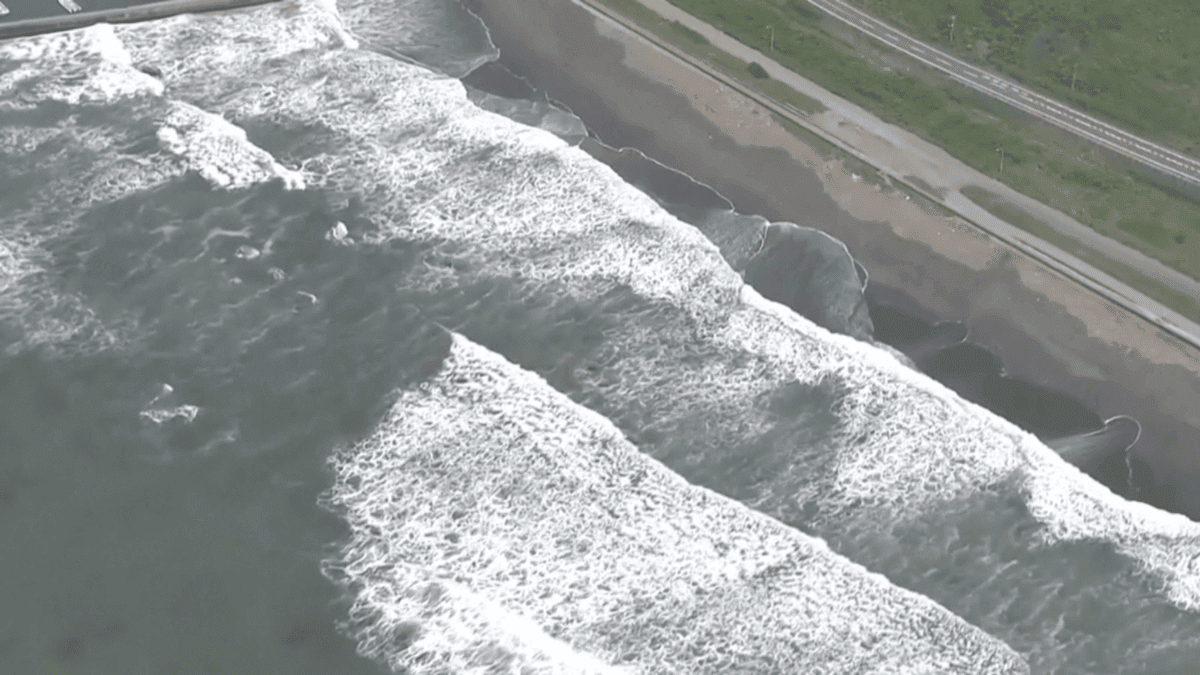
30 July 2025 – A magnitude 8.8 earthquake struck off the coast of Russia’s Kamchatka Peninsula, triggering tsunami alerts across the Pacific, mass evacuations in Japan, and widespread monitoring from Hawaii to South America.
The quake hit at approximately 11:25 a.m. local time, centered 125 km southeast of Petropavlovsk-Kamchatsky at a shallow depth of around 20 km. It’s the strongest seismic event in the region since the infamous 1952 Severo-Kurilsk quake, which caused catastrophic tsunamis.
Tsunami Waves Strike Russia and Japan
Russia’s far eastern regions were first to be hit. Waves as high as 4 meters slammed into coastal towns, flooding ports, damaging infrastructure—including a kindergarten—and sweeping boats inland. Authorities confirmed several injuries but no fatalities.
In Japan, tsunami waves reaching up to 60 cm were recorded along parts of Hokkaido and Honshu. While these weren’t catastrophic in scale, they were enough to prompt evacuation orders for nearly 1.9 million residents along the eastern coast. Bullet trains were halted, ports closed, and coastal communities moved swiftly thanks to Japan’s highly tuned emergency protocols.

No Major Damage Reported in Japan or Hawaii
Despite the initial tsunami alerts in Hawaii, Alaska, and the U.S. West Coast, wave activity remained moderate. Midway Atoll saw the highest surges at 1.8 meters, with minimal impact elsewhere. Hawaii implemented precautionary evacuations and port closures, with authorities warning of dangerous currents and extended tsunami activity.
Japan’s nuclear plants, including Fukushima, reported no damage or radiation leaks. Staff at several facilities were temporarily evacuated as a precaution.
Aftershocks and Risk Remain High
Seismologists have warned that powerful aftershocks—some exceeding magnitude 6—are expected in the coming days. Coastal regions across the Pacific Rim are being advised to stay alert, as tsunamis can come in multiple waves over several hours.
The U.S. Pacific Tsunami Warning Center issued broad advisories, later scaled down as wave heights normalized. Countries including the Philippines, Indonesia, Chile, and New Zealand activated local alerts and began coastal monitoring.
What This Means for the Pacific Rim
This event was a wake-up call—again. The Kamchatka region sits on the Pacific “Ring of Fire,” one of the most seismically active zones on the planet. Subduction quakes like this one are rare but brutal, and the ripple effect spans nations.
What prevented a disaster this time?
- Japan’s Earthquake Early Warning system, with over 4,000 sensors, gave residents crucial seconds to respond.
- Decades of investment in tsunami defenses, public drills, and infrastructure paid off.
- Widespread adoption of automated alerts and evacuation protocols in Hawaii, Alaska, and elsewhere prevented chaos.
But not everyone is this prepared as smaller Pacific nations with limited resources may not fare as well next time.
Looking Ahead
Authorities in Russia and Japan continue assessing damage. Emergency teams remain on high alert for aftershocks and delayed tsunami activity. Meanwhile, experts urge coastal communities worldwide to revisit their disaster protocols.
Source: Sky News


