



There’s something deeply human about a child clutching their first storybook. The smell of the pages, the bright colours, the sense that whole worlds are waiting just beyond the cover. However, for many South African children, that moment never comes. Books are a luxury, not a given. And when you grow up without stories, you grow up without imagination being nurtured, without language being stretched, without the spark that literacy brings.
That’s why Penquin’s latest project caught my attention. On World Literacy Day, the brand and communications agency launched the Penquin Kids AI Book Collaboration, a mouthful of a title that hides a surprisingly simple idea: use artificial intelligence to co-create children’s books, print them, and put them into the hands of kids who need them.
Technology Meets Storytelling
We often talk about AI in cold, corporate terms—efficiency, disruption, automation. Rarely do we pause to think about how it could help a child laugh, dream, or understand what leadership really means. These guys did just that.
They didn’t frame AI as a replacement for creativity. Instead, they treated it like a brush, a tool in the hands of their staff. Ten teams, everyone from copywriters to HR clerks, came together to shape stories. ChatGPT provided prompts, DALL·E sketched illustrations, ElevenLabs gave voices—but it was the people who polished, contextualised, and localised the results.
The outcome wasn’t just ten books. It was them saying, AI can enhance human imagination if you let it, not replace it.
The Chaos of Leadership
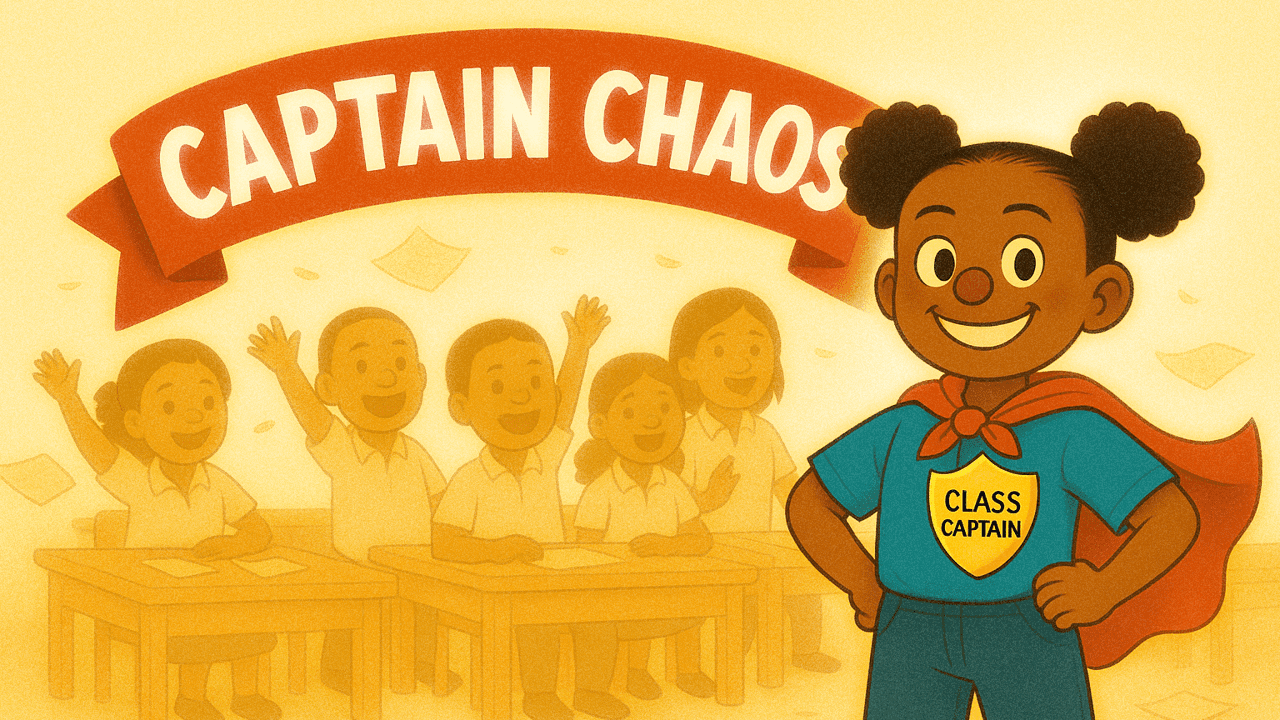
The standout story, Captain Chaos, is about a Grade 4 learner named Bontle Nkosi who learns the hard way that leadership isn’t about being the loudest in the room. It’s about responsibility, humility, and learning from mistakes. There’s humour in it, and heart, but more importantly, there’s truth.
For kids in South Africa, many navigating leadership roles at home far beyond their years—that kind of story doesn’t just entertain. It reflects back their reality in a way imported Disney characters never will.
A Different Kind of Corporate Milestone
Penquin is celebrating its 25th birthday this year. Most agencies would mark that with a glossy campaign or a big party. Instead, they chose to build a project that combines technology, creativity, and social responsibility. It’s refreshing to see a brand use its anniversary not as a self-congratulatory pat on the back, but as a launchpad for impact.
In an industry often criticised for chasing awards rather than meaning, this feels different. Purposeful, almost.
Why This Story Matters
The uncomfortable truth we must face: literacy is the foundation of everything, and South Africa is failing its children. According to recent studies, the majority of Grade 4 learners in the country can’t read for meaning. That’s not just a statistic, but a ticking time bomb for inequality, employability, and democracy itself.
Projects like Penquin Kids won’t fix the system. But they remind us that solutions can come from unexpected places. An ad agency stepping into the literacy crisis with AI-powered storybooks might sound unconventional, but maybe that’s what makes it powerful. Creativity thrives in spaces where convention has failed.
Beyond Novelty
It’s easy to be a bit cynical. If there’s one thing the advertising world loves, It’s a good publicity stunt. However, we should resist the temptation to write this off as just another gimmick. There’s a deeper lesson here. The fusion of technology and storytelling isn’t about replacing writers or artists, it’s about multiplying their reach, scaling their ideas, and making stories accessible to more children.
When I think about a child in Soweto or Khayelitsha picking up Captain Chaos, hearing their language, their humour, their culture reflected back through pages co-created by humans and machines, I see the possibility of AI used responsibly. Not as a threat, but as a partner in shaping futures.
And that, perhaps, is the most important story of all.


