

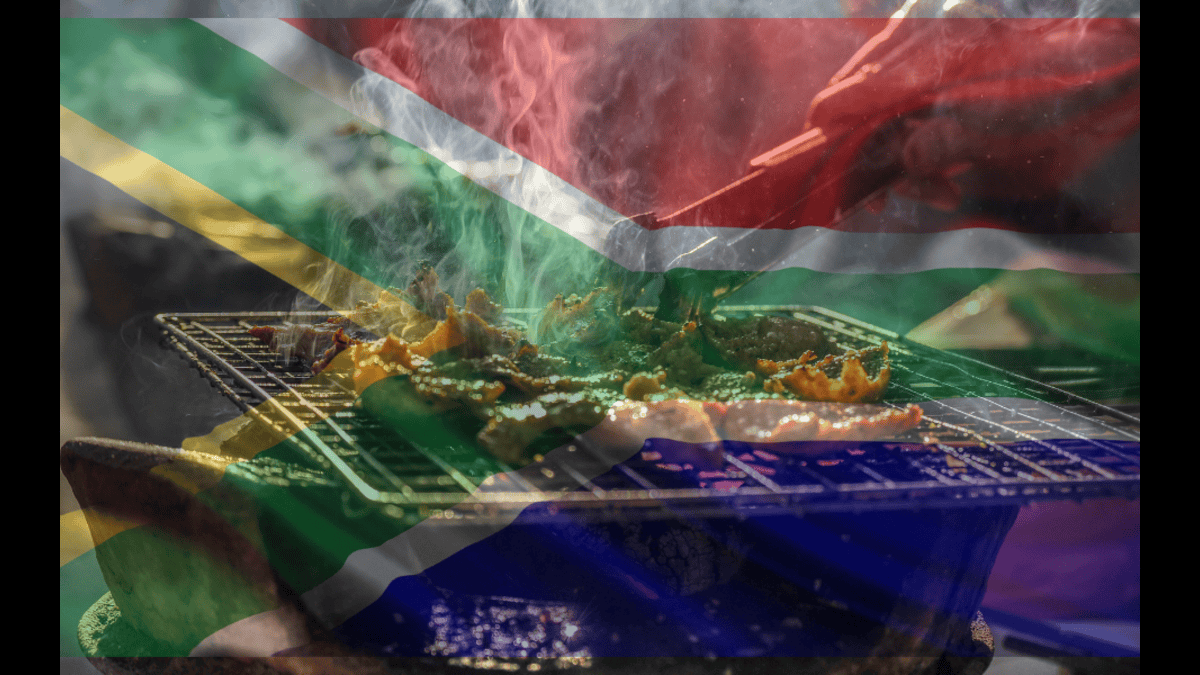
In South Africa, September 24th is more than just a public holiday. It’s a day where the smoke of countless braai’s drifts across the skies, uniting families, neighbours, and sometimes even that one uncle who only shows up when there’s free meat. Heritage Day, more affectionately referred to as Braai Day, has become a national ritual. But with inflation biting harder than a hungry guest at the buffet, one can’t help but ask, is the traditional braai still affordable, or is it time to rethink the menu?
Let’s be honest. A few years ago, buying a couple of packs of wors, a few chops, and maybe a steak or two didn’t require taking out a second bond. These days, however, a simple tray of lamb chops is starting to look like an investment portfolio. The price of beef? Let’s just say it might soon be cheaper to braai the actual cow than to buy the pre-cut steaks.
According to Stats SA, food inflation has hovered uncomfortably high in recent months, with meat prices particularly affected. Families are already adjusting their shopping habits, trading premium cuts for chicken pieces and experimenting with plant-based options (yes, apparently you can braai soya – but don’t expect it to taste like boerewors).
Of course, South Africans are nothing if not innovative when it comes to food and humour. Where once you’d find a cooler box filled with T-bones, now it might be packed with “budget-friendly” chicken drumsticks. Pap, our national carbohydrate hero, has become the star of the show again, stretching the meal and reminding us that you don’t need Wagyu beef to enjoy good company around the fire.
But here’s the catch, the braai was never just about what’s on the grid. It’s about the laughter, the teasing, the debates about whether gas braai’s are “real braai’s” (they’re not, but we’ll allow it), and the ritual of standing around the fire with a drink in hand, pretending to help while someone else actually does the cooking.
So yes, inflation has made the traditional Heritage Day spread more expensive. You may find yourself swapping rib-eye for ribs, or boerewors for chicken sosaties. But maybe that’s not such a bad thing. After all, heritage is about adapting, surviving, and celebrating with what we have.
At the end of the day, the smoke still rises, the fire still crackles, and the uncle still asks for a takeaway plate. Whether it’s wors or wors-inspired lentil patties on the grid, Heritage Day remains about gathering and celebrating our South African spirit. And that, thankfully, is still priceless.
