

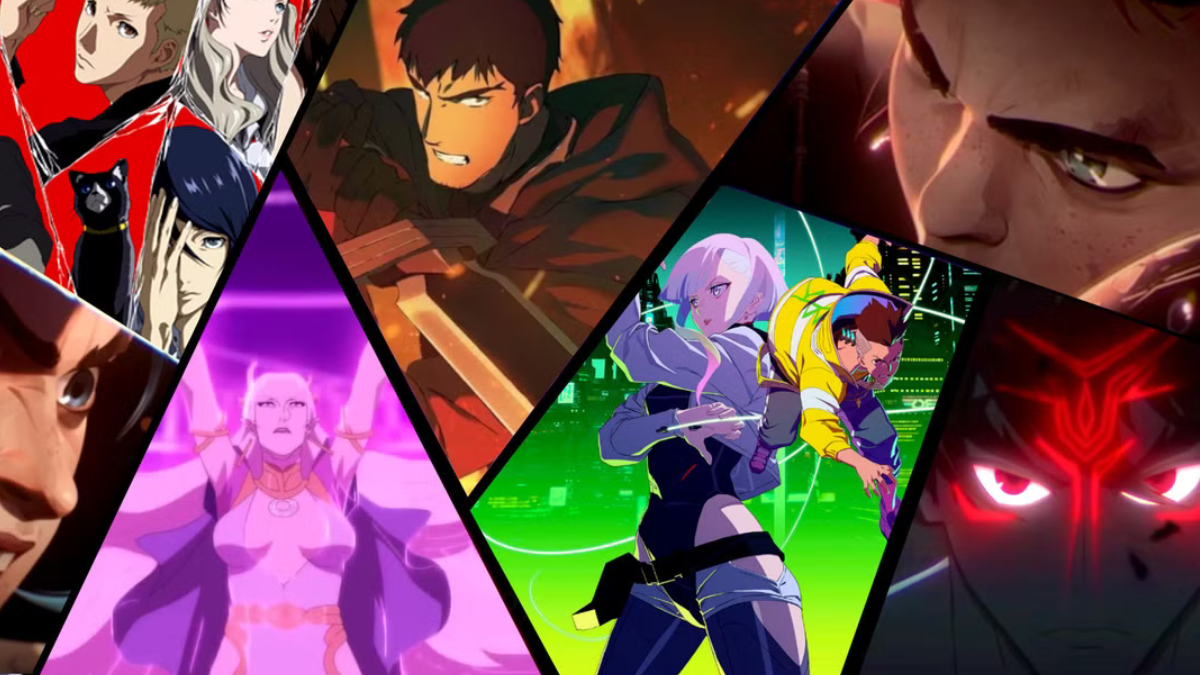
How Anime Shaped Modern Gaming
Grab your controller. Fire up your console. Now pause for a second and look closer. Beneath every flashy cutscene, every gravity-defying combo, every heart-shattering plot twist, there’s anime’s DNA running wild in the code. Anime didn’t just inspire gaming. It rewired it. It built the blueprint for the worlds we grind through, the heroes we cry over, and the boss battles that still leave our palms sweating.
The Art That Turned Pixels Into Worlds
Anime taught games how to look good and how to feel good. Forget bland backdrops and blocky sprites. From Akira’s neon-soaked chaos to Ghibli’s dreamlike whimsy, anime handed gaming a style guide dripping with personality. That’s why Final Fantasy cutscenes feel like full-blown animated movies and Persona menus look sharper than your wardrobe will ever be. Today, even massive hits like Genshin Impact play less like a video game and more like you’ve accidentally walked into a high-budget anime. And yes, even the side quest about fishing is dramatic.
Heroes, Misfits, and the Bonds That Break You
Cloud’s giant sword. Link’s silent courage. Sonic’s cocky grin. None of these characters hit the way they do without anime’s obsession with archetypes. The brooding loner. The eccentric best friend. The mysterious mentor who may or may not betray you. Anime handed gaming a toolkit for building characters that burrow into your chest. And when games learned that trick, everything changed. Suddenly, players weren’t just grinding XP. We were emotionally invested. Aerith’s fate? Still hurts. And that hurt? 100% anime craftsmanship.
Storytelling With a Sucker Punch
Once upon a time, games were about high scores. Get points, stay alive, brag to your friends. Then anime swaggered in with its cliffhangers, its “oh no he didn’t” plot twists, and its multi-season sagas. Suddenly, games had stories that slapped. Kingdom Hearts plays like an anime fever dream that won’t let you sleep. Nier: Automata doesn’t just mess with your reflexes, it messes with your soul. Anime gave gaming permission to go for the jugular. To make us cry, cheer, and throw the controller across the room in the same sitting.
The Power-Up That Never Ends
Anime didn’t just change the narrative. It juiced the gameplay itself. Those over-the-top special moves? Straight from anime. The screaming power-ups? Anime again. That moment when your character glows like a nuclear lightbulb before launching an attack so big it needs its own camera angle? All anime. Games like Devil May Cry and Naruto: Ultimate Ninja Storm crank combat into theatrical chaos because why settle for “hit the enemy” when you can “obliterate them with the power of friendship and 47 consecutive backflips.”
A Culture Where Worlds Collide
Anime and gaming don’t just overlap. They’ve fused into one massive fandom juggernaut. Conventions, cosplay, fan art, streaming, crossover events. If you’ve ever shouted “Exodia, obliterate!” at a friend or spent way too long raising a digital pet, you’re living proof of the crossover. Pokémon, Yu-Gi-Oh!, even Dragon Ball Z, they’re not just franchises. They’re full-blown ecosystems where games and anime feed each other, building worlds too big for one medium to contain.
The Invisible Hand on Your Controller
Modern gaming owes anime everything. The look. The drama. The energy. The emotional haymakers that sneak up on you mid-cutscene. Anime hardwired itself into the way games are built and the way we experience them. Every level-up, every flashy finisher, every tear shed at 2 a.m. when a character you love bites the dust—it’s anime’s legacy pressing start.
Anime didn’t just shape modern gaming. It turned it into the cinematic, over-the-top, beautifully chaotic beast we can’t put down.
