

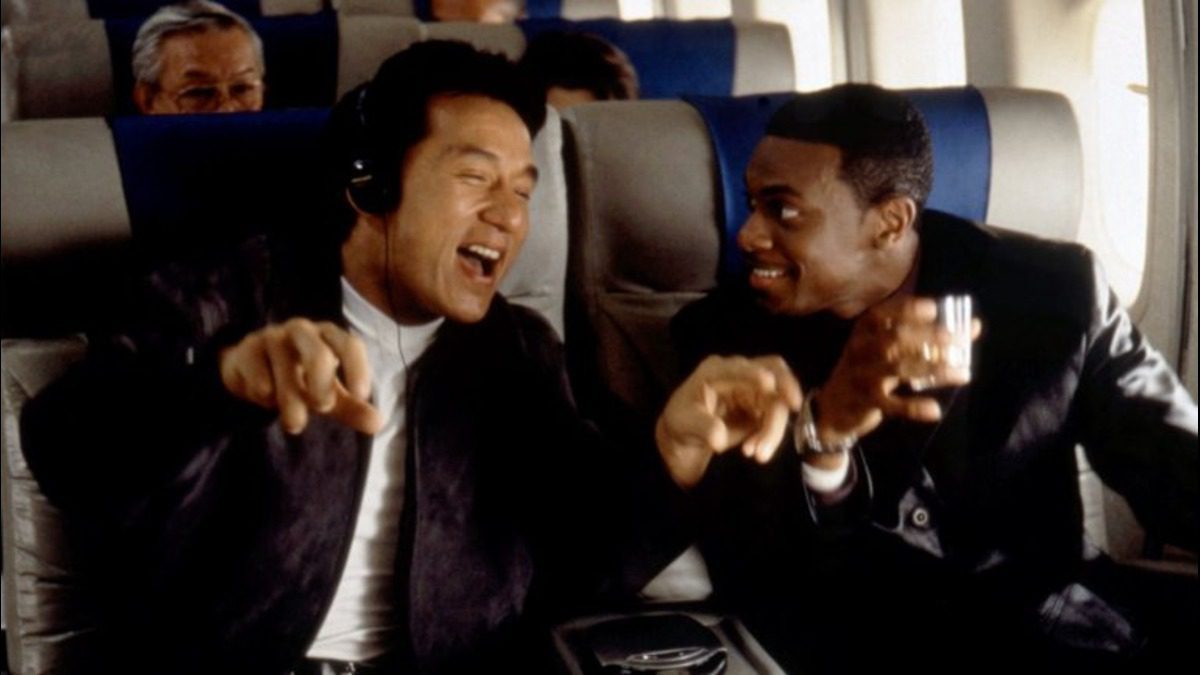
So here’s one hell of a pivot. After nearly two decades of silence, the buddy-cop franchise that taught us kung-fu, sarcasm, and “Do you understand the words coming out of my mouth?” is coming back. And the reason behind the resurrection isn’t a new writer’s room, or some nostalgic writer-director pitch, or even a fan-driven crowdfunding campaign, it’s political muscle. Yes, you read that right. According to multiple reports, Trump personally leaned on the people who run Paramount Pictures (now under the umbrella of Skydance Media, backed by billionaire Larry Ellison) to “make Rush Hour 4 happen.” Apparently, a well-placed phone call and some friendly pressure were enough to unfreeze a project that had been stuck on the chopping block for years.
That pressure paid off. Paramount’s green-lit the film, secured distribution through the studio’s new structure, and signalled that the familiar face-punch-stunt-jokes formula might soon shake theatres again.
The man tapped to direct? None other than Brett Ratner, the same director who steered the original trilogy, but whose career imploded in the wake of serious sexual-misconduct allegations during the #MeToo wave. Ratner denied wrongdoing, sure, but Hollywood largely shut him out. Until now, according to Forbes. That means if this actually happens, Rush Hour 4 won’t just be sneaking back, it will be bringing a cloud of controversy along for the ride. For many, that will taint the “reunion of legends” vibe before even a stunt kick lands. Still, it seems the combination of political clout and new studio financing (plus a reworked distribution deal with Warner Bros./New Line Cinema attached) was enough to push the project over the line.
The return of Jackie Chan and Chris Tucker, for longtime fans, will be both thrilling and terrifying. Thrilling, because of the chemistry and the martial-arts-meets-comedy magic; terrifying because they’re older now, and whether they can still deliver that manic energy is a legit question. One thing not to expect though, is for this to be a quiet indie revival. This seems slated as a big theatrical release, albeit with a distribution deal that gives the studio a flat fee while letting Warner Bros. take a big share of the box office. In other words: high risk, but also, potentially high reward. And yes, backlash must be expected. Ratner’s baggage is heavy. This is no nostalgia-driven labor of love. It’s a studio gamble, one backed by political influence. For some, that’s going to be a deal-breaker before trailers even drop.
Let’s be real. When was the last time a major Hollywood revival hinged not on talent or audience demand but on presidential lobbying? The notion that Trump personally prodded Ellison to revive this franchise makes this more than just “movies returning from the past.” It adds political weight, a sense of power play that has nothing to do with art and everything to do with influence. Suddenly, “Rush Hour 4” isn’t just a movie, it’s part of this broader narrative about who controls what gets made in Hollywood. And that feels fundamentally different than a studio deciding, “Hey, this series still has fans, let’s cash in.”
I guess, right now, Rush Hour 4 isn’t just about chasing a pay-cheque. It’s about whether Hollywood will let power not creativity decide the movies we get next.
