



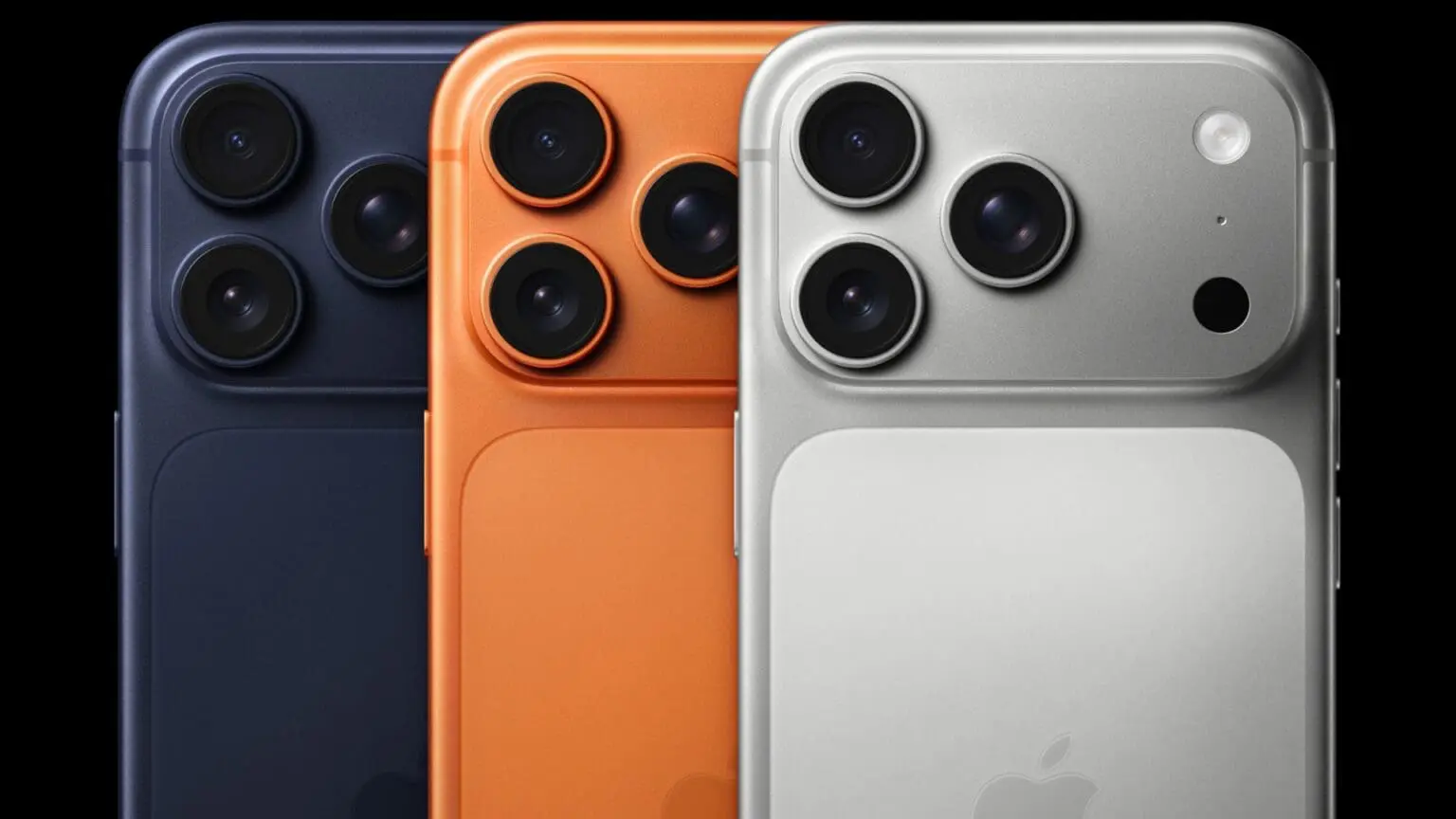
Apple is clearly not just a fan favourite. It is officially the world’s biggest smartphone seller.
Yes, the iPhone has taken the top spot in global shipments for 2025, edging past Samsung in a year that many assumed would still belong to Android. But the numbers tell a different story. According to market research from Counterpoint, Apple closed out 2025 as the number one smartphone brand globally by shipments.
What actually happened in 2025
Globally, smartphone shipments grew by about 2% last year. That is not explosive growth, but it is meaningful. It shows that people are still upgrading, particularly in markets where affordability, financing, and distribution continue to improve.
Out of all those devices shipped worldwide, Apple accounted for roughly one in every five smartphones. That puts it at around a 20% global shipment share, the highest among all manufacturers.
Samsung followed closely with just under 19%, while Xiaomi landed at around 13%, driven largely by consistent momentum in developing markets.
This was not a collapse of Android, but a reshuffling at the very top.
Why Apple pulled ahead
A few things aligned in Apple’s favour.
The iPhone 17 cycle hit at the right time
The iPhone 17 range, including the Pro models, performed well across both mature and emerging markets. A lot of users skipped one or even two upgrade cycles and jumped straight to the latest models, which pushed volumes higher than expected.
Timing helped soften supply chain pressure
Manufacturers pushed devices into the market earlier in the year to avoid potential tariff complications. That strategy gave Apple more flexibility on pricing and availability, even though conditions evened out later in the year.
Apple did not reinvent the smartphone in 2025. It executed extremely well in a market where consistency matters more than hype.
What 2026 might bring
It is not all smooth sailing from here. Analysts are cautious about the year ahead, and for good reason.
Chip shortages have not fully disappeared.
Component prices, especially for AI-focused hardware, continue to rise.
Chipmakers are increasingly prioritising data centres and AI infrastructure over smartphones.
All of that could slow overall market growth, even if brands like Apple and Samsung continue shipping in large volumes. The smartphone market is no longer about rapid expansion. It is about efficiency, differentiation, and convincing people that upgrading is still worth it.
Why this matters beyond bragging rights
Smartphones remain the centre of the global tech ecosystem. They shape how we experience apps, AI features, photography, payments, and even the second-hand device economy. When a company like Apple leads shipments, it influences everything from developer priorities to accessory markets and long-term software support.
The smartphone market may be stabilising, but the fight for relevance and meaningful innovation is far from over.


