

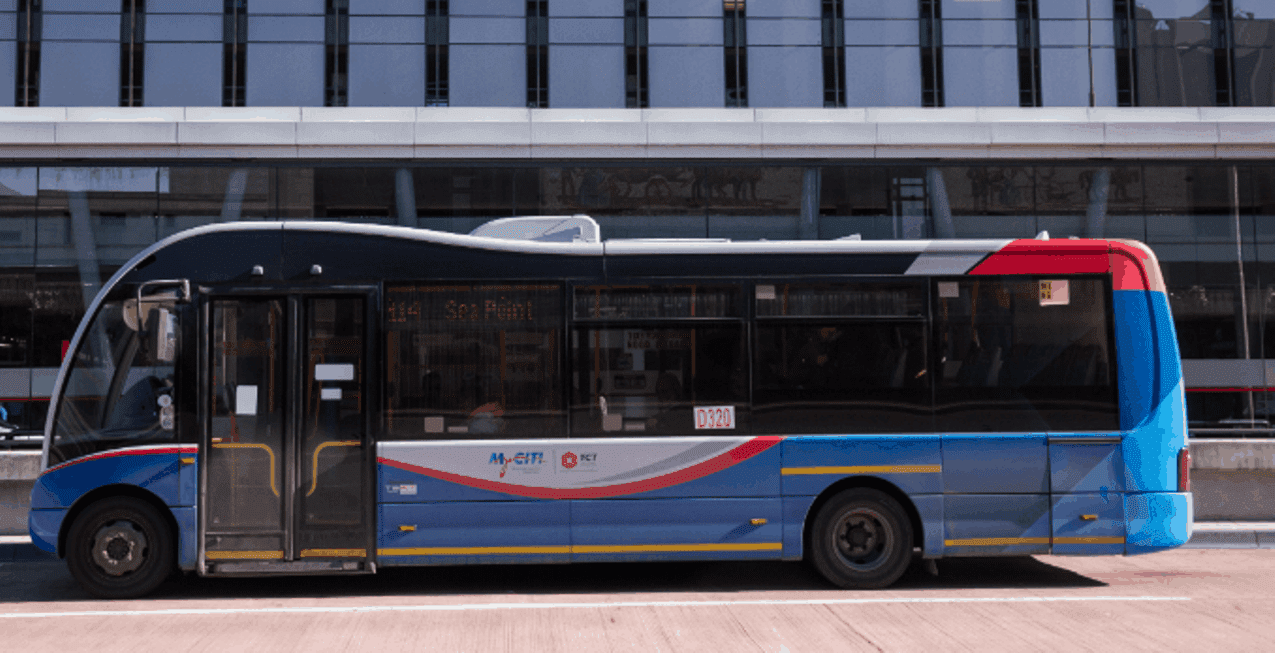
The City of Cape Town will introduce up to four electric buses into the MyCiTi system as part of a formal pilot project. These are full-sized 12-metre buses, not demos built to look good in a press photo. They will run on real routes, carrying real people, dealing with real traffic, hills, heat, wind, and the daily stop-start grind that defines public transport in this city.
What makes this trial worth paying attention to is that it is being treated as research, not a rollout. The City is working with the University of Cape Town to collect data on how electric buses perform under local conditions. That includes battery range during peak hours, charging times, maintenance demands, and how drivers adapt to vehicles that behave very differently from diesel buses.
Cape Town has learned, sometimes the hard way, that importing international solutions without testing them locally usually ends badly. Our routes are long, commuter volumes are high and our infrastructure does not always behave the way the brochure says it should. An electric bus that works perfectly in a flatter, cooler city with shorter routes might struggle here. This pilot seems designed to surface those problems early rather than pretend they do not exist.
The first electric bus is expected to arrive in the new financial year. If the trial phase produces results the City is comfortable with, the broader plan is to start integrating electric buses into active MyCiTi corridors from July 2027. The proposed routes include links between Mitchells Plain, Khayelitsha, Wynberg, Claremont, and the Cape Town CBD. These are the arteries used daily by people who rely on MyCiTi to get to work, to campus, and back home again.
From a commuter’s perspective, the promise is not just cleaner transport, but stability. Diesel prices are unpredictable and they hit public transport budgets hard. If electric buses can reduce operating costs over time, that matters. It affects how often buses run, how well they are maintained, and how resilient the system is when fuel prices spike yet again. That is the part of this story that rarely gets talked about.
That said, there are uncomfortable questions sitting just beneath the surface. Charging infrastructure is not trivial and neither is grid reliability. Training mechanics and drivers for an electric fleet is a whole different ball game. None of that is being glossed over here, which is encouraging, but it does mean this process will move slowly. Anyone expecting a sudden wave of electric buses across the city will be disappointed.
For now, nothing changes for MyCiTi commuters. This is a test and not a complete switch. But it is meaningful in that Cape Town is effectively asking whether large-scale electric public transport can work in a South African city with real constraints and real pressure. If the answer turns out to be yes, this pilot could quietly shape how urban transport evolves not just here, but across the country.
