

Hollywood is a fascinating place. It has given audiences the most memorable movies, and actors the opportunity to portray some of the wildest characters that have stolen our hearts over the years. In some cases this has brought the actors fame. But the truth of the matter is that playing a character sometimes asks for more than just talent. it is so easy to admire dedication from the outside, yet so difficult to comprehend what goes on, on the inside. We see actors take on different roles and applaud their versatility. We praise their commitment and transformation, by calling it genius. But what actually happens behind the scenes is a very different story.
There have been one too many instances where the commitment we hold in such high regard followed the actors home. For some they couldn’t clock out after the last take. And for others the anxiety, paranoia, grief and obsession lingered longer than the runtime. Some of the most celebrated performances in film history came at a cost that wasn’t visible in the final cut. We talking about insomnia, depression, emotional exhaustion, identity blur. And in some cases, a struggle to find the pieces of themselves or to feel normal again.
Here are a few actors who gave unforgettable performances and paid for them in very real ways.
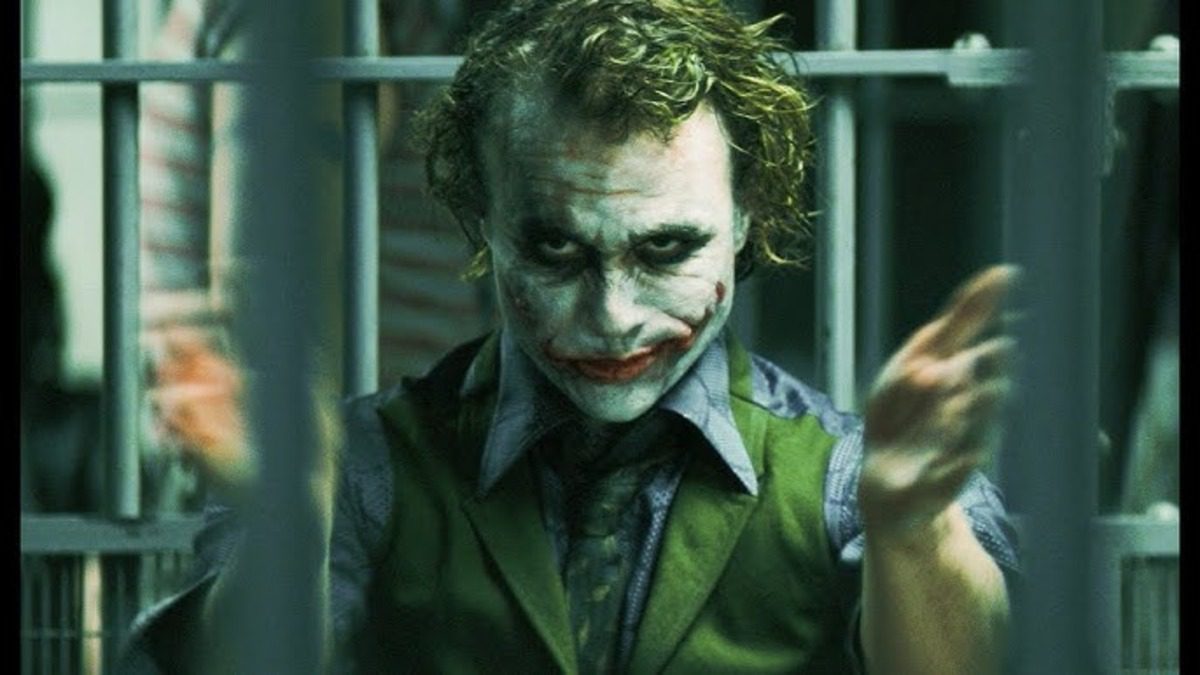
Heath Ledger as Joker in The Dark Knight
Here was remarkable actor. An actor that absorbed very bit of his character into his very being. But this was no easy feat. In order to build the Joker’s psyche, Heath Ledger locked himself in a hotel room for weeks. He kept journals and slept very little. All the while pushing himself into isolation to understand Joker’s chaos from within.
Playing the role of the Joker, demanded a deep intensity, which he brilliantly delivered. The thing is that the intensity was so strong, that it went on to consume him. While his performance is still considered as one of the greatest in film history, one has to question if it was really worth it. He was only 28 years of age when he died of an accidental overdose, shortly after completing the filming of his acclaimed role as the Joker in The Dark Knight.
Natalie Portman as Nina Sayers in Black Swan
Natalie Portmanwho portrayed Nina Sayers a ballerina obsessed with perfection admitted that she didn’t think that she would ever be able to push herself to those depths again. Portman trained for almost an entire year as a professional ballerina, losing around 20 pounds. Added to this, she rehearsed for hours each day and injured herself in the process. Portman immersed herself in a character that spiralled into paranoia and self-destruction.
The role required Portman to navigate a blurred line between reality and delusion with such conviction that it almost became real. Portman’s performance was widely praised for its intensity, earning her the Oscar for Best Actress. Natalie Portman described her role as an intensely physical and psychological experience, stating it was the first time she felt a true “mind meld” with director Darren Aronofsky. She revealed that the gruelling training and 10-month preparation led her to fear she “was literally going to die”, forcing her to endure a “misplaced” rib injury while working 5 hours a day.
Jim Carrey as Andy Kaufman in Man on the Moon
Jim Carrey didn’t just play Andy Kaufman. He refused to step out of character for the entire shoot. Cast and crew had to interact with him as either Kaufman or Kaufman’s alter ego, Tony Clifton, making the crew rather uncomfortable. Carrey’s intense, immersive method acting, which often blurred the line between performance and reality, is documented in the 2017 film Jim & Andy: The Great Beyond.
Years later, Carrey admitted that he felt like he “disappeared” during that time. The role consumed him. It wasn’t just about acting anymore, it became a subject of identity. Carrey has described the experience as a “psychotic journey” in which he allowed Kaufman to “manifest” through him. Unfortunately, that’s the risk when you commit fully to becoming someone else. You might come back changed, or not fully sure where you end and the character begins.
Adrien Brody as Władysław Szpilman in The Pianist
To prepare for The Pianist, Adrien Brody underwent an extreme transformation. He gave up his apartment, lost ~30 pounds, isolated himself, left his girlfriend and learned to play Chopin. All this to embody a hauntingly silent depiction of survival, despair, and resilience. That kind of emotional isolation is not something you take lightly. Training your body and mind to survive starvation and terror, even fictionally, has huge implications on your nervous system.Despite not being a pianist before the film, he practiced for four hours a day to learn complex pieces by Frédéric Chopin, such as the Nocturne in C-sharp minor, so he could perform the keystrokes on camera himself.
The movie holds a 95% critic score on Rotten Tomatoes and is considered a masterpiece of Holocaust cinema. At age 29, Brody became the youngest actor to win the Academy Award for Best Actor for this role. He later said he fell into depression and had an eating disorder for about a year, after filming wrapped.
Lady Gaga as Patrizia Reggiani in House of Gucci
Lady Gaga revealed that she stayed in character for nine months. Gaga incorporated personal, traumatic experiences into her performance to explore themes of survival and, in her view, the misguided love behind the crime. This led her to struggled mentally afterward. She spoke openly about needing psychiatric support once filming ended.
When you spend months embodying manipulation, ambition, betrayal, and emotional volatility, it doesn’t just evaporate when you change costumes. The mind doesn’t operate on costume department timelines.
The Reality We Don’t Romanticise
The audience loves the myth of the actor who goes all in. The one who locks themselves away to build a villain’s mind. Or who starves for realism. The one who refuses to break character because it makes the performance more authentic. We celebrate the actor who loses the weight, isolates themselves, or refuses to break character. Awards season practically feeds on that narrative. But what we don’t often talk about is that these are human beings who suffer great deal by harming themselves to achieve fame and fortune.
There’s a reason some actors now talk openly about therapy, boundaries, and not staying in character off set. The industry is slowly learning that authenticity doesn’t have to mean self-destruction. The performance may last two hours on screen, but the impact can last a lot longer. And maybe the real evolution of acting isn’t about going further into the darkness. Maybe it’s about knowing how to come back.
