


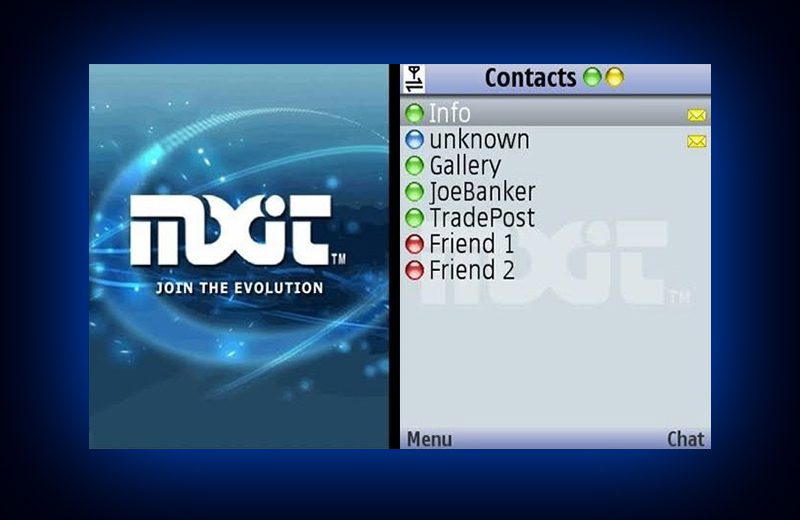
Back in the early 2000s, long before WhatsApp blue ticks haunted our lives and BBM pins became the new love language, there was Mxit. A humble little icon sitting quietly on the screens of Nokias and Motorolas, yet loud enough to change the way a generation of South Africans communicated.
If you know, you know.
This wasn’t just an app. Mxit was a vibe. A subculture. A digital playground for millions. And in hindsight? It was way ahead of its time.
Built for a Different World — and It Worked
Mxit launched in 2005, at a time when airtime was rationed like oxygen and smartphones were still luxury items for the few. It was developed in Stellenbosch by Herman Heunis and was originally a mobile game concept that pivoted—brilliantly—into a chat platform. But what made Mxit special was its ability to run on low-end, feature phones over GPRS (yes, that painfully slow cousin of 3G).
While the rest of the world was still stuck on SMS bundles and WAP browsers, South Africans were side-stepping telco costs and chatting for cents using Mxit. That alone was revolutionary.
But the real genius? Mxit wasn’t just a messaging app. It was an ecosystem. Virtual currencies (remember Moola?), customizable avatars, chat rooms for everything from music to love advice, educational portals, anonymous confession zones, live trivia games, even mental health support channels. It was our version of the internet, compressed into a few hundred kilobytes.
This thing was WhatsApp, Reddit, and early Facebook rolled into one—optimized for feature phones.

More Than Just Chat — It Was Culture
Let’s not underestimate the social weight Mxit carried. For a lot of us, Mxit was the first space where digital life felt real. It’s where high school romances bloomed and died, where friendships were built across provinces, where status updates became currency.
Everyone had a MxIt Name™, often some cringe mix of nicknames, numbers, and gangster spelling: -xX_CuTePiE_69_Xx-. You logged on after school, checked who was online, and slid into “GoZone” chat rooms hoping to meet a stranger with just the right amount of mystery and bad grammar.
Mxit gave young South Africans a digital identity. It didn’t matter what suburb you were in or what phone you had. You could be anyone, talk to anyone, and be part of something bigger. And in a country still trying to overcome deep structural divides, that mattered.
Where It All Went Wrong
For a while, Mxit was unstoppable. By 2011, it had over 50 million registered users and was the biggest social network in Africa. But somewhere along the line, it tripped.
The first red flag was the dawn of Smartphones. As iOS and Android started to dominate, Mxit struggled to evolve. Their mobile app experience felt stuck in 2007. Meanwhile, WhatsApp came in with sleek simplicity, cross-platform support, and no fluff. Just fast, clean messaging. That’s all people wanted.
Add to that poor leadership transitions, lack of clear monetization strategy, and an almost complete absence of global expansion and the writing was on the wall. The users Mxit built its empire on were graduating to better phones, and they took their conversations elsewhere.
By 2015, Mxit shut down its commercial operations. Its tech assets were handed over to The Reach Trust to support educational initiatives. And just like that, the lights went out.
So What Did We Learn?
Mxit’s story is the kind of case study they should teach in business schools. It’s a reminder that being first isn’t enough. Innovation without evolution is a slow death.
But let’s also not ignore the brilliance of what Mxit was. It solved real problems, met people where they were, and created a digital community before that was even a buzzword. It was African tech, made for African realities, long before “local-first design” became sexy in Silicon Valley.
Final Thoughts: Ghosts in the Chat
Ask any South African over 30 about Mxit, and you’ll see a flicker of nostalgia light up their face. It wasn’t just a chat app. It was our chat app.
It belonged to a moment in time when phones were dumb but connections were smart. When you didn’t need HD selfies to impress, just the right status and enough Moola to change your font color.
Rest easy, Mxit. You walked so the rest of them could run.
Akhram Mohamed is the Editor of Geekhub.co.za and a longtime tech insider who’s spent 20+ years testing, launching, and talking about consumer gadgets. Formerly a VP at Huawei, he now writes with a critical eye and a deep love for tech that actually makes life better. When he’s not breaking down the latest devices, he’s gaming, building businesses, simplifying strategy, or podcasting about real-world leadership. Expect honest takes, sharp insights, and the occasional dad joke.
Follow him on social media: @akreinvented
