

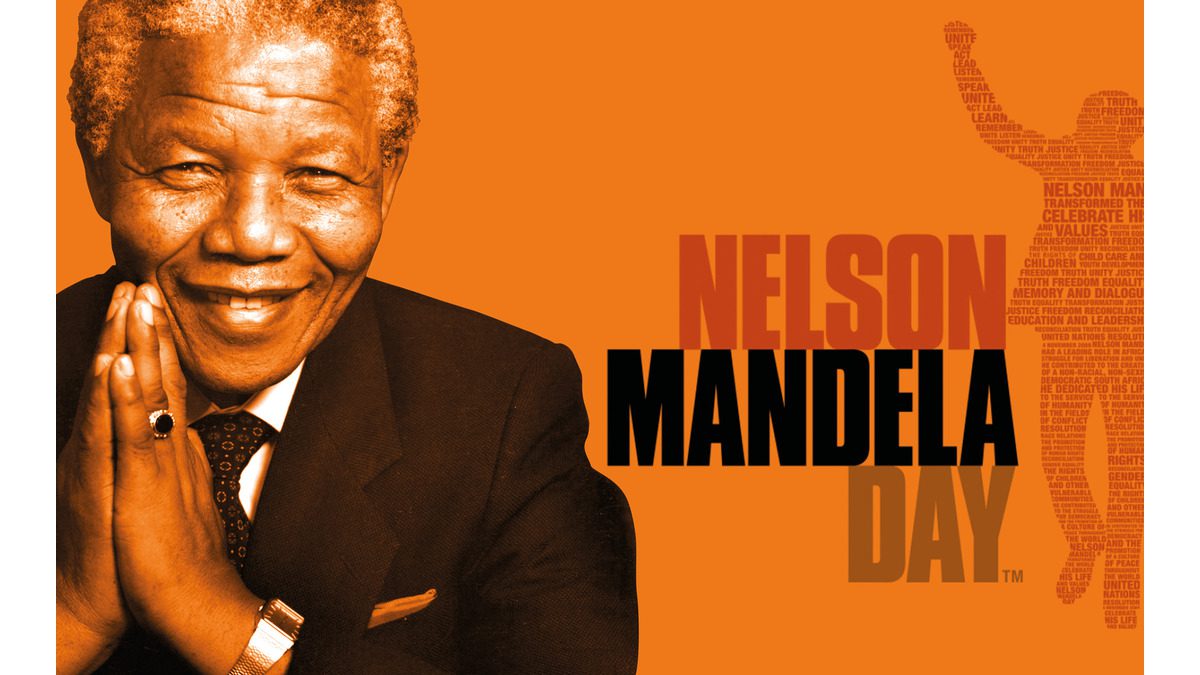
In South Africa, 18 July isn’t just another date on the calendar. It’s a ritual. A pause. A whisper of something bigger than politics or platitudes. Mandela Day, born of hope, sacrifice, and the weight of 67 years in the service of justice, was meant to be more than symbolic. It was supposed to remind us who we are, or at least, who we said we wanted to be.
But here we are in 2025, and I find myself asking: Does Mandela Day still matter? Or has it become a comfortable illusion we wear for one day a year, before retreating back into our silos, our cynicism, our survival?
Because let’s be honest. South Africa is tired.
We are tired of systemic and infrastructure failures. Tired of economic promises recycled every election cycle like expired medication. Tired of watching young graduates sit at home while corruption takes their place at the table. We are tired of platitudes from podiums and hashtags that disappear as quickly as they trend.
And in that exhaustion, Mandela Day risks becoming performance art. A PR opportunity. Paint a wall. Feed a child. Post the selfie. Move on.
But Madiba didn’t give us a one-day event. He gave us a lifetime blueprint for courage, for accountability, for compassion without naivety. He showed us that dignity isn’t a slogan, it’s a discipline. And I worry we’ve forgotten that.
In 2025, when the cracks in our democracy are widening and the faith in leadership is paper-thin, Mandela Day should be the one day we collectively look in the mirror and stop lying to ourselves.
Because it’s not enough to honour his memory if we’re not protecting his legacy.
It’s not enough to wear his face on T-shirts if we won’t face our own failures. The casual corruption. The apathy. The ways we’ve allowed injustice to become normal.
But, Mandela Day absolutely still matters. Not because of what it has become, but because of what it could still be.
It could be a day of collective truth-telling. A day where we stop outsourcing the work of justice to NGOs and start asking ourselves what kind of country we’re building in our homes, in our businesses, in our silence.
It could be a day where youth, angry and disillusioned, aren’t told to respect the elders, but are handed the mic. Let them speak. Let them lead. They are closer to the fire. Maybe they know the way out.
It could be a day where we remember that freedom wasn’t the end of the story. It was the beginning of the responsibility.
Mandela Day was never meant to be comfortable. It was meant to be catalytic. Unsettling. A challenge, a call and not just a checklist.
So yes, it’s still relevant. Maybe more than ever. But only if we’re willing to stop rehearsing the ritual and start living the responsibility.
Because the truth is, the most dangerous thing about Mandela Day isn’t that we forget it.
It’s that we remember it, but refuse to change because of it.
