

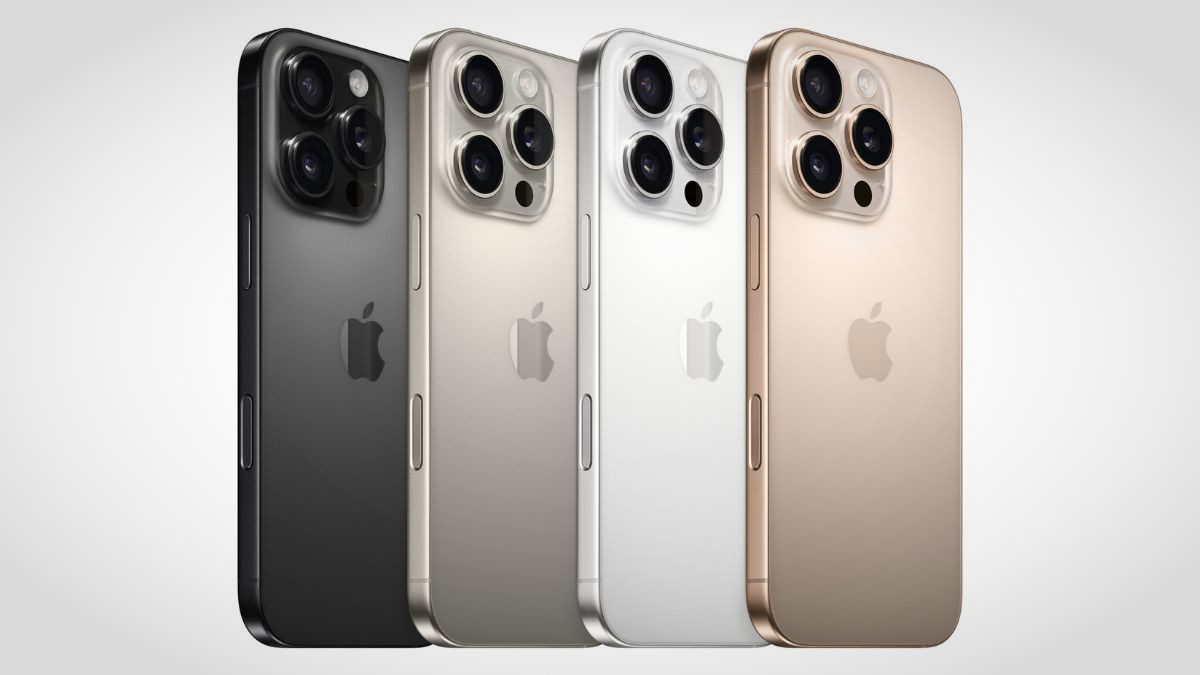
I have been paying MTN R2 729 a month for an iPhone 16 Pro Max 256GB on a Sky Silver package. The contract started in December 2024 and it ends on 16 November 2026. When it does, I am cancelling and moving to SIM-only. This is the full accounting of what I paid, what I got, what I actually used, and what the smarter move looks like. If you are staring at a similar debit order every month, this one is for you.
The invoice, broken down
The R2 729 looks like one number, but it is really two things bolted together. My latest tax invoice splits it cleanly:
| Item | Monthly (incl VAT) |
| Apple iPhone 16 Pro Max 256GB (device instalment) | R1 299.99 |
| Sky Silver package (data, minutes, SMS) | R1 429.00 |
| Total | R2 729.00 |
So R1 300 of every payment is the phone, and R1 429 is the plan. Hold onto that split, because it changes how you read the whole deal.
What I paid over the full contract
The contract runs 24 months. At R2 729 a month, that is:
- Total paid over the term: R65 496
- Of that, the phone portion is R31 200
- And the plan portion is R34 296
Sixty five thousand rand. For a phone and a SIM.
What the iPhone actually cost me
Here is where it gets uncomfortable. I paid R31 200 for the handset across the 24 months.
When I signed up in late 2024, the iPhone 16 Pro Max 256GB launched in South Africa at a recommended price of R31 799 cash. So on the face of it the contract instalments and the cash price land in roughly the same place. That sounds fair until you remember two things. First, I paid that R31 200 slowly over two years rather than upfront, which is a loan whether or not the invoice calls it one. Second, and more important, two years on the same phone now sells new from iStore in the region of R28 000, and renewed or independent sellers list it from around R12 000 to R16 500. The phone depreciated hard while I kept paying the launch-era price for it. That is the part the monthly debit order quietly hides.
What actually pushed me to upgrade: the trade-in
Back in late 2024, when I took out this contract, I traded in my iPhone 14 Pro Max through the iStore programme and recouped around R12 000 on it. That is what pushed me toward the 16 Pro Max in the first place. R12 000 sitting against a new flagship makes the upgrade feel like a small step rather than a R31 000 decision, and that is exactly how the trade-in is designed to work.
But looking back, this is worth being honest about. The R12 000 did not lower what the 16 Pro Max cost me. It lowered the barrier to saying yes. I still signed up for R31 200 of phone instalments plus R34 296 of plan over two years. The trade-in felt like a discount, but really it just made it easier to commit to a R65 000 contract. Put simply, my old phone was the down payment that got me onto the upgrade merry-go-round. It did not make the ride any cheaper.
And here is the part that stings in hindsight. The 14 Pro Max I traded in was a phone I could barely distinguish from the 16 Pro Max I replaced it with. More on that below, because it is the whole point.
The upgrade nobody needed: coming from the 14 Pro Max
That last point deserves unpacking, because it is the heart of the whole article. In all honesty, I can barely tell the 14 Pro Max and the 16 Pro Max apart in daily use.
Let me be specific about what actually changed between the two, because on paper it looks like progress. The screen grew from 6.7 to 6.9 inches. There is a new Camera Control button on the side. The chip is faster, the cameras have higher numbers next to them, and the whole thing is wrapped in the Apple Intelligence marketing push. Read the spec sheet and it sounds like a real generational leap.
Now here is what any of that means when you actually live with the phone. Nothing I can feel. Messaging is the same. Calls are the same. Browsing, banking, WhatsApp, Instagram, streaming, the camera I point and shoot with, the everyday stuff that fills my roughly 48GB a month, all of it is functionally identical to what the 14 Pro Max did. The bigger screen is a difference you notice for a day and then forget. The camera button is a shortcut I almost never use. The faster chip makes no perceptible difference because the 14 was already faster than anything I ask of it. Two years of iPhone development, and for a normal person doing normal things, the needle did not move.
This is the uncomfortable truth about flagship phones in 2026. They matured years ago. The jump from an old phone to a modern one used to be night and day. The jump from one recent flagship to the next is now so slight it is genuinely hard to point at a single thing and say “that is what I paid for.” If you handed me the two phones without their cases, I am not confident I could tell you which is which.
The one real difference after two years was not an upgrade at all. It was wear. By the end of my 14 Pro Max’s life its battery health had dropped to around 80 percent, and that is the single most legitimate reason I had to move on.
Quick explainer on what that number means, because it trips people up. Every iPhone shows a “Maximum Capacity” figure under Settings, then Battery, then Battery Health. A brand new phone sits at 100 percent. Over time and charge cycles the battery chemically ages and holds less charge than it did when new. At 80 percent, your phone now holds only four fifths of the energy it did on day one, so it drains noticeably faster and you find yourself reaching for a charger earlier in the day. Apple treats 80 percent as the threshold where a battery is considered meaningfully worn, and it is the point where most people start feeling the phone “cannot hold a charge anymore.”
But here is the thing. A worn battery is not a reason to spend R31 000 on a new phone. It is a reason to spend around R1 500 on a battery replacement at iStore. Swapping the battery effectively resets that phone to all-day life again, for a tiny fraction of what an upgrade costs. The battery was the only genuine problem I had with my 14 Pro Max, and it was also the most fixable one. I could have replaced the battery, kept the phone, and skipped the entire contract.
There is one caveat worth being upfront about, though, and it is the single strongest argument for a new phone if you are on an older model: Apple Intelligence, Apple’s suite of on-device AI features. It has a hard hardware cutoff. You need an iPhone 15 Pro or newer to run it, and note the word Pro. The standard iPhone 15 and 15 Plus are locked out because they use the older A16 chip, so it is not simply “iPhone 15 or higher,” it is the 15 Pro, 15 Pro Max, and every iPhone 16 and 17. Everything from the 14 Pro Max downward gets nothing. So if you are sitting on a 14 or older and you genuinely want the AI features, that is a real reason to move, and it is about the only one I would accept. But be honest with yourself about whether you will actually use them. For me the AI tools have been a novelty I reach for rarely, and they would not have justified the upgrade on their own. If you are already on a 15 Pro or a 16 like I am, you have Apple Intelligence already, which is one more reason the newest model gives you nothing you do not have.
What I actually used
This is the part that stung most once I pulled the usage lines off the invoice. The Sky Silver package is generous: 50GB of anytime data and 4 500 all-network minutes a month. Here is what I burned through in a typical billing month:
| Resource | Sky Silver gives | I used |
| Data | 50GB anytime | About 48GB |
| Voice | 4 500 minutes | About 1 369 minutes (roughly 23 hours) |
| SMS | Bundled | 7 |
A quick honesty note on that data figure. The number I could pull came out higher than 48GB, but some of that was almost certainly bonus and promotional data rather than my paid anytime allocation, and with the new MyMTN app locking me out I cannot get a clean breakdown to separate the two. So I have used a conservative 48GB as my real anytime usage. Either way the point holds: I am a heavy data user sitting right up against my 50GB allocation, and any replacement plan has to give me comparable data.
The voice side is where it gets damning. My usage sat at about 1 370 minutes against a 4 500-minute allowance. I used less than a third of my minutes, every single month, and paid for all of them. That is the classic contract trap. You pay for the ceiling, not the floor.
How to check your own usage, and the MyMTN app problem
You cannot make a smart decision until you know your real numbers, and this is where MTN made things genuinely difficult for me. Since they rolled out the new MyMTN app, I have not been able to pull anything useful out of it. And the fallbacks people normally recommend have not worked for me either. The USSD balance menus and the WhatsApp balance service, which are the usual go-to routes, returned nothing usable on my line. Your mileage may vary, so they are worth a try, but do not count on them.
If the app and the shortcuts fail you the way they failed me, there is one route that always works.
Your itemised tax invoice. This is the one people overlook, and it turned out to be the only reliable source I had. Every monthly contract invoice itemises your actual voice, data and SMS usage against your allocation. That is exactly the document I used to write this article. It is the single most honest picture of your habits you will get, and unlike the app, it does not depend on anything loading or logging in. If you cannot find it, request it from MTN or check your billing emails, because it is the number that matters.
Track it for two or three months. If your minutes are barely dented, as mine were, you are subsidising an allowance you never touch.
The case for SIM-only
Here is the logic. After November the phone is fully paid off and mine to keep. So the only thing I need to replace is the R1 429 plan portion, not the whole R2 729. That reframes everything. The question becomes a simple one: what is the cheapest plan that covers my roughly 48GB of data and my real calling of 1 000 to 1 500 minutes a month.
For me the choice comes down to MTN and Vodacom. Telkom and Cell C are cheaper on paper, but their coverage where I live is poor, and a rock-bottom price on a weak signal is worthless. So this is an MTN-versus-Vodacom comparison, using MTN’s July 2026 Y’ello Trader and Vodacom’s current SIM-only deals.
| Network | Plan | Data | Minutes | Monthly |
| Vodacom | 100GB + Unlimited | 100GB anytime | Unlimited | R799 |
| MTN | Sky Premium Iron | 15GB | 800 | R849 |
| MTN | Sky Premium Bronze | 30GB | 1 600 | R1 139 |
| Vodacom | 400GB + Unlimited | 200GB + 200GB night | Unlimited | R1 299 |
| MTN | Sky Premium Silver | 50GB | 15 000 | R1 409 |
| MTN | Sky Premium Gold | 100GB | 15 000 | R2 119 |
One line in that table ends the argument: Vodacom’s 100GB and Unlimited minutes for R799. That is double my data usage, unlimited calling that swallows my 1 000-plus minutes without a thought, one plan, one debit order. And here is what it does to my bill.
What all of this saves me
Measured against the R1 429 I currently pay for the plan portion alone, here is what each option saves. Remember the phone is paid off by November, so this is a like-for-like comparison of what I pay to keep the same phone connected.
| Option | Data | Minutes | Monthly | Save / mo | Save / 24 mo |
| Current Sky Silver (on contract) | 50GB | 4 500 | R1 429 | — | — |
| MTN Sky Premium Silver, SIM-only | 50GB | 15 000 | R1 409 | R20 | R480 |
| Vodacom 400GB + Unlimited | 200 + 200 night | Unlimited | R1 299 | R130 | R3 120 |
| MTN Sky Premium Bronze, SIM-only | 30GB | 1 600 | R1 139 | R290 | R6 960 |
| MTN Sky Premium Iron, SIM-only | 15GB | 800 | R849 | R580 | R13 920 |
| Vodacom 100GB + Unlimited | 100GB | Unlimited | R799 | R630 | R15 120 |
| MTN Ruby 70GB (data-only) + voice | 70GB | add bundle | Under R600 | R830+ | R19 900+ |
There it is in black and white. The Vodacom 100GB plan saves me R630 every month, more than R15 000 over two years, for more data and more minutes than I have now. Staying on MTN’s own Sky Premium range, by contrast, barely moves the needle: the closest tier saves a token R20 a month for 15 000 minutes no human being uses.
What’s the deal with MTN
To see how far apart the two networks are, line up the like-for-like plans. The MTN plan that also gives 100GB is Sky Premium Gold, at R2 119 a month. So for the same 100GB of data, Vodacom charges R799 and MTN charges R2 119. That is R1 320 more per month on MTN, roughly 165% more expensive, over R31 000 more across a two-year term. Even MTN’s Sky Premium Silver, which gives only half the data at 50GB, still costs R1 409, which is 76% more than Vodacom’s R799 for a worse plan. However you cut it, MTN is not competitive on the way I use my phone.
There is one way MTN claws some of it back, and it is the trick no salesperson will point you at: split your data and voice instead of buying them bundled. MTN’s Mobile Internet Ruby gives 70GB of all-day data for R389, and because it is data-only you add calls separately with a monthly voice bundle. Stack a voice bundle on top and the whole setup lands comfortably under R600, cheaper even than Vodacom’s R799, on the network I trust for coverage. The catch is it takes two purchases instead of one, and the exact voice-bundle price is the figure I would confirm in the MTN app at sign-up. The reason no shop steers you here is simple: splitting data and voice makes the network the least money, which is also why MTN would rather sell me 15 000 minutes I will never use. One bonus lever: plenty of my calls could run over WhatsApp or FaceTime, which uses data not minutes, so the more I call that way, the smaller and cheaper the voice bundle I need.
Two cautions before anyone rushes off. First, that Vodacom R799 deal is a promotional special, not a permanent tariff, and my contract does not end until 16 November, so I cannot take it up right now and there is no guarantee it survives until then. It tells me what Vodacom is willing to offer and where the market sits, but the plan I actually sign will be whatever the best live deal is in November. Second, Vodacom’s tempting-looking 400GB plan is not what it seems: it is 200GB of anytime data plus 200GB of Night Owl data that only works between midnight and 5am, a game MTN dropped years ago. Read it as a 200GB plan and move on. The R799 100GB deal, by contrast, is honest all-day data, which is exactly why it is the one worth having.
We approached MTN for comment and had not received a response by the time of publication.
What I’m doing
When the contract ends in November I am cancelling. The tempting move is to trade in the 16 Pro Max the same way I traded in the 14, take another five figures off the sticker, and roll straight into the next model. That is exactly the cycle that got me here. But I have now watched R12 000 of a perfectly good phone go toward an upgrade I could barely perceive, and I am not doing it again. I keep the fully paid-off 16 Pro Max, run it for another two or three years, and move to a SIM-only plan sized to what I actually use: heavy on data, a solid 1 000-plus minutes, and none of the 4 500 minutes I pay for today.
Whether that ends up being Vodacom’s 100GB deal or MTN’s data-only route will come down to one thing, coverage where I actually spend my days, not the sticker price. And I cannot lock it in yet anyway, because my contract runs to 16 November and today’s sharpest prices are time-limited specials that may not survive until then.
So this is where I leave it. When November comes, I will pull my latest usage, check coverage on both networks, and take whatever the best available SIM-only deal is at that moment, rather than assume today’s special is still on the table.
And that is really the whole moral of the story. There is always another deal coming. Vodacom is running an aggressive SIM-only special right now, Black Friday will bring a fresh wave of postpaid offers in a few months, and something else will land after that. The deals never stop, which means there is never a good reason to rush into one. The trap is signing up in the moment, dazzled by a big number on a poster, without checking whether it actually fits how you use your phone. Do the boring bit first: pull your real usage, work out what you genuinely need, and only then go shopping. Take the deal because it is worth it to you, not because it is there. Two years is a long time to overpay by accident, and the phone in your pocket is almost certainly good enough to keep.
Disclaimer: This piece is the personal experience and opinion of a Geekhub contributor. Matters of experience are subjective and may not apply to everyone in the same way. Pricing and cost comparisons however are factual. We approached MTN for comment and had not received a response by the time of publication.
