

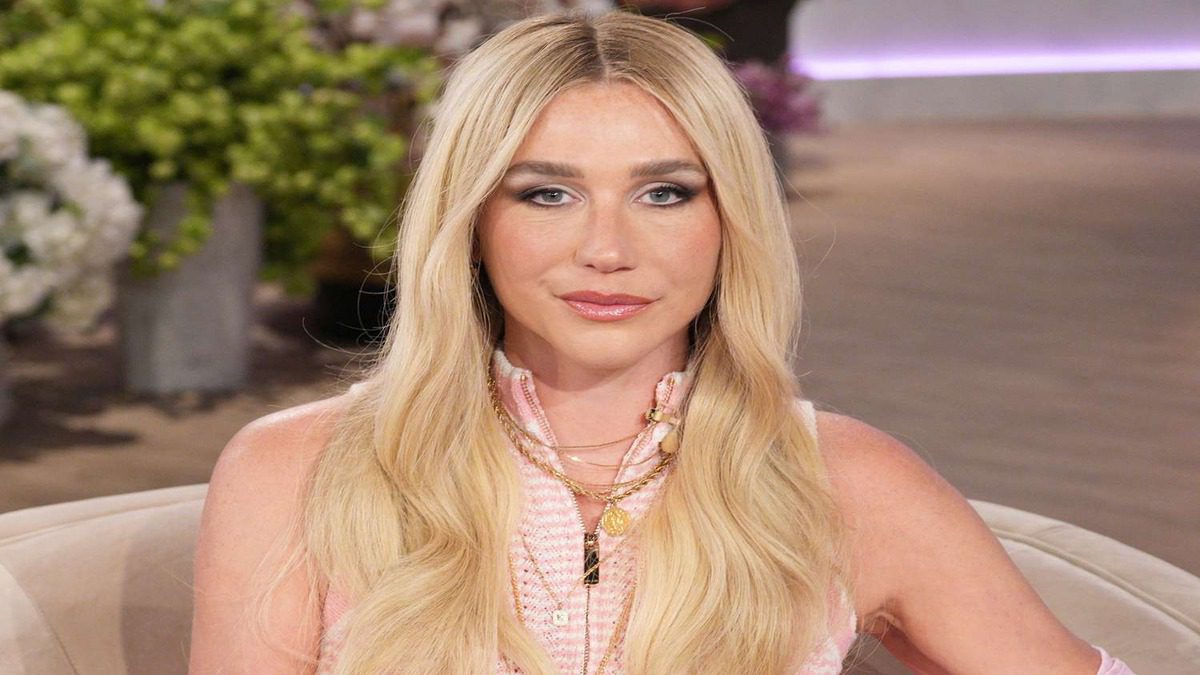
On Monday afternoon, the pop star Kesha, publicly rebuked the White House and Donald Trump’s administration after her 2010 track “Blow” appeared in a TikTok video posted by the official White House account. The clip shows fighter jets slicing across the sky beneath a single-word caption: “Lethality.” It landed in the tense aftermath of the United States’ attack on Iran, and the tone, according to Kesha, has crossed the line.
“It’s come to my attention that the White House has used one of my songs on TikTok to incite violence and threaten war,” she wrote on Instagram and X. “Trying to make light of war is disgusting and inhumane. I absolutely do NOT approve of my music being used to promote violence of any kind.”
Kesha usually wraps her music in glitter, chaos and unapologetic freedom, so pairing it with a military-themed clip feels completely out of place. She created “Blow,” a high-voltage dance-pop anthem from her 2010 EP Cannibal, for sweat-soaked dance floors, not fighter jets. She officially released the track in 2011, and the music video famously featured the late James Van Der Beek in a surreal, neon-tinted showdown. It was everything about being absurd and having fun. It was never about fighter jets.
Kesha made it clear that the symbolism disturbed her. “Love always trumps hate,” she added.
“Please love yourself and each other in times like this. This show of blatant disregard for human life and quite frankly this attack on all of our nervous systems is the opposite of what I stand for.”
Kesha did not stop there. She also referenced Donald Trump’s name appearing in the Epstein files and urged followers not to get distracted or let the controversy fade into the background. The White House originally posted the TikTok clip on Feb. 10. Now, this moment adds to a growing list of times artists have publicly objected to politicians using their music without permission. Over the years, musicians including Olivia Rodrigo, Sabrina Carpenter, SZA, Celine Dion, Kenny Loggins, Linda Ronstadt, Foo Fighters and the White Stripes have pushed back when politicians played their songs at campaign rallies or used them in messaging they did not endorse.
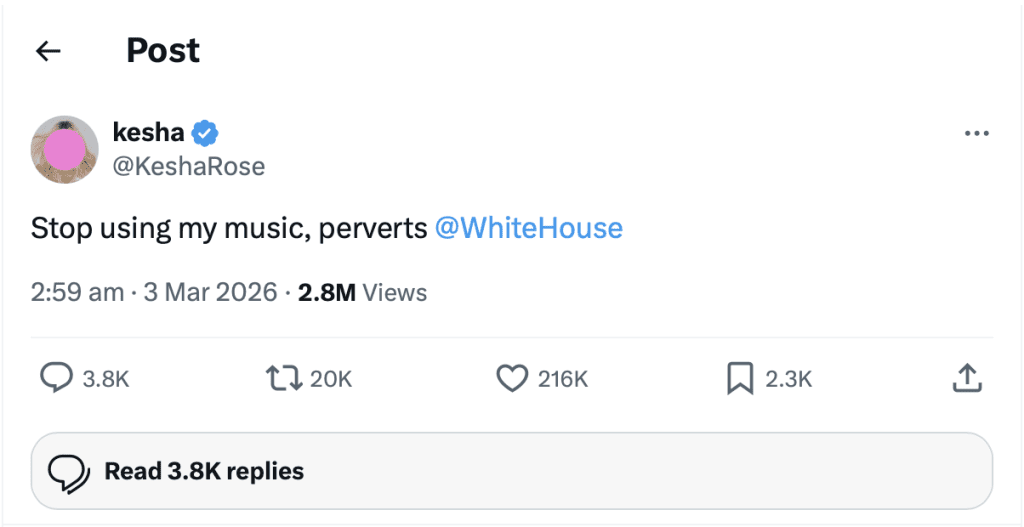
For Kesha, the message is simple. Her music may invite you to take control of the dance floor, but it is not a soundtrack for war.
