
There was a time when becoming a filmmaker involved a fairly traditional route. All you had to do was make a short film and send it to festivals in the hope that it caught the eye of someone important in a dark room somewhere. Then, if lady luck was on your side, Hollywood would ask for something bigger. But apparently the time has arrived where you can terrify millions of people on TikTok first.
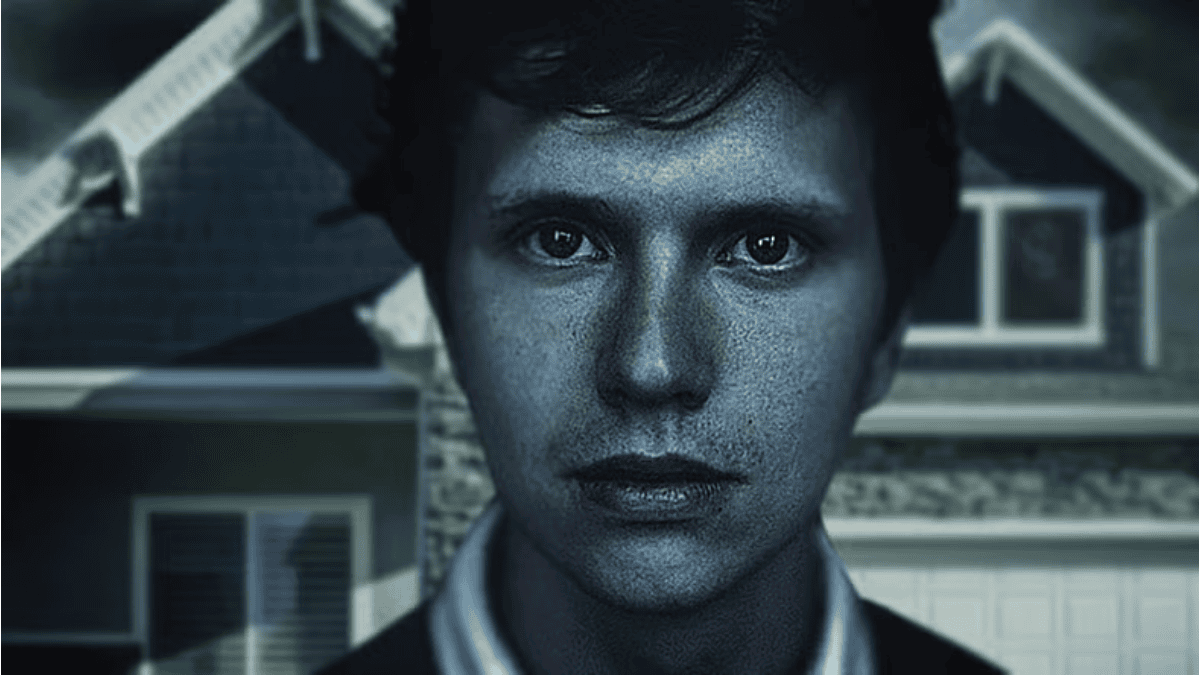
Spencer Lackey, a digital horror creator with a huge online following, is making the jump from short-form internet horror to his first feature film. According to TheWrap, Lackey will write and direct Lust. A new horror feature backed by Neon, Blumhouse Atomic Monster and Spooky Pictures. So yeah, essentially this is saying that the people who know how to make horror work on a big screen are paying attention to the people making horror work on your phone.
The plot of Lust has not surfaced as yet. So there is no need to pretend we know what the movie is actually about. No cast, release date or production start has been announced yet. But what we do know is that Neon and Blumhouse Atomic Monster will co-finance the film, with Jason Blum and James Wan producing through Blumhouse Atomic Monster. Steven Schneider will produce for Spooky Pictures. That is not exactly a small first step.
Lackey has built his audience through original, narrative-driven horror shorts across TikTok, Instagram and YouTube. TheWrap reports that he has more than 7 million followers across those platforms, while Dread Central notes that his Mike Flanagan-produced short film You Are Here played the festival circuit last year. So this is not quite the story of someone making a few creepy videos online and suddenly being handed a feature film because Hollywood discovered social media yesterday.
This goes beyond that. You see, the suggestion here is that horror may now have one of the clearest pipelines from internet culture to cinema. And let’s be honest, if any genre was going to figure this out first, horror makes perfect sense. Why? Because horror has always understood the power of a simple idea. Take for example a strange noise in the house or a shadow in the corner. Those simple things bring on an uneasiness in an instant. So you really do not need a 14-page mythology document to make someone feel uneasy. Sometimes all you need is one strong visual idea and the horrible little pause before something happens. And that is exactly why short-form horror can travel so well online.
A good horror clip does not need to explain itself for 20 minutes. It can arrive, make your spine briefly reconsider its life choices, and leave before you have time to ask sensible questions. The best ones understand rhythm, tension and the deeply unfair fact that our brains will complete a nightmare with very little assistance. Lackey’s move follows a broader industry interest in digital horror creators. TheWrap previously explored how online filmmakers are becoming a more serious source of studio attention, especially after projects connected to creators like Kane Parsons and Curry Barker proved that internet-born horror ideas could survive beyond the scroll. TheWrap also noted that James Wan’s Atomic Monster has experience with this kind of jump, including Lights Out, which began as a YouTube short before becoming a feature film.
So it is easy to see how this becomes bigger than one filmmaker getting a movie deal. For years, social media creators were often treated as though they existed in a separate entertainment universe. They had followers, engagement, views and comments. But traditional Hollywood still seemed to view online fame as something slightly suspicious. Useful for marketing, perhaps. But that did not necessarily serve as proof that someone could direct a feature film. Here we have horror testing that assumption. Because when it comes to horror, audiences do not really care where a scary idea emanated from. What they do care about is whether it works. If something can make people nervous on a phone screen while they are sitting safely in bed, there is a reasonable chance that the same creator may understand how to build dread in a cinema too.
And yes, I am aware that making a feature film is not the same thing as making a short video. A 60-second scare can survive on mood, timing and one clever twist. A feature needs structure, characters, pacing, and a bloody good reason for the audience to stay invested after the first few jolts. The thing that works brilliantly as a short can become very thin when stretched across 90 minutes. That is the real test for Lust. Not whether Lackey knows how to create atmosphere.
His online audience already suggests he does. The question is whether that instinct can expand into a full story that holds together on a bigger canvas.
And that is another reason why this partnership is interesting. Neon, Blumhouse Atomic Monster and Spooky Pictures are not exactly confused about horror. These are companies and producers who understand that scary movies do not always need enormous budgets to make an impact. They need a clear hook, a strong point of view and someone who knows how to make an audience uncomfortable in the right way.
This may be Lackey stepping into his first feature, but he is not stepping into it alone. And perhaps that is the future of this particular horror pipeline. Not simply plucking creators from the internet and assuming followers will magically become ticket sales. But pairing digital-native filmmakers with producers who understand how to turn a compact idea into a full theatrical experience. I think that there is something genuinely exciting about that. For all the panic about algorithms, short attention spans and whether people still care about movies, here is a slightly different possibility: maybe some of the next interesting filmmakers are already making work every day, by testing ideas in public. Or by learning timing, audience response and visual storytelling in real time. So maybe the next horror director is not waiting outside the studio gates but is already on your feed, quietly ruining someone’s sleep at 11:43 p.m.
And if Hollywood has finally started watching, that might be very good news for horror.
Or, depending on how easily you scare, deeply inconvenient.
