
When you buy a physical comic, it’s yours for life. You can keep it on your shelf until you sell it. Heck, you may even lose it or accidentally destroy it with a cup of coffee. And even though the shop that sold it to you can close tomorrow, nobody arrives at your house to remove Issue 47 because the company has decided to restructure. Digital comics, though, are slightly more complicated.
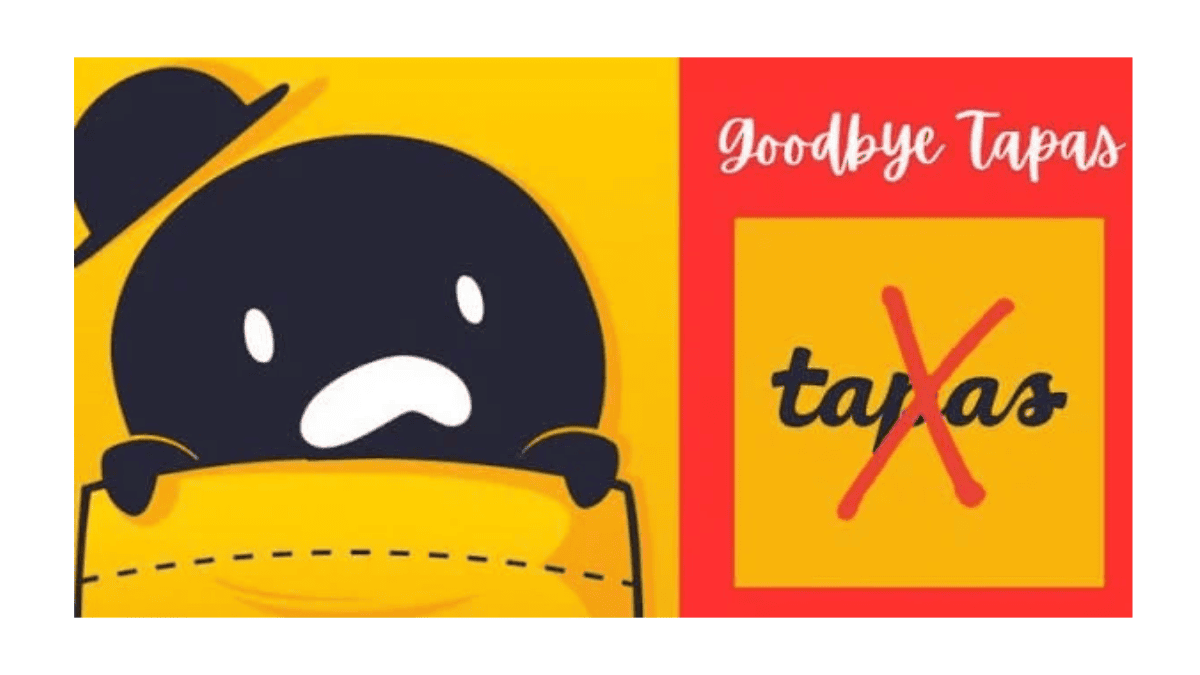
Reports claim that Kakao Entertainment plans to close Tapas, its North American webcomic and web novel platform. According to MoneyToday, publishers and rights holders were expected to receive information about the shutdown schedule, settlements and how work on the platform would be handled. MoneyToday However, Kakao Entertainment’s official announcement focuses on combining KakaoPage and Kakao Webtoon into one service before the end of the year. The company says its new “One Platform” system will bring approximately 16,000 original properties, user data and publishing resources together under KakaoPage. It does not provide clear English-language guidance about what the reported Tapas closure will mean for its international readers and independent creators. Kakao Entertainment
And therein lies the problem.
Tapas is not simply an app people use to pass the time. It’s much more than that. It holds comics, novels, reader comments and communities that creators have spent years building. Readers have also paid to unlock chapters. And although it may only be one small purchase at a time, it matters. Now those purchases may not look like much individually, but after several years of following different series, a reader can build quite an impressive digital library. The question now is whether that library will follow them somewhere else, remain available in another form or disappear when the platform does.
At the moment, we do not have a clear answer.
So most digital purchases come with terms and conditions right? And somewhere inside several pages of legal jargon, companies will explain that you are purchasing access to content rather than owning it. In the traditional sense, of course. But all you are interested in is the purchase, so not people think about that while buying a chapter? The button says “buy” or “unlock”. Money leaves your account, and the comic appears in your library. And boom, you’ve made a purchase. Nobody expects to conduct a small legal investigation before finding out whether two fictional people will finally kiss.
But when a platform closes, the difference between owning something and receiving permission to access it suddenly hits you like a ton of bricks.
Creators face an even more worrying situation. Tapas has allowed independent artists and writers to publish work, find readers and build communities around their stories. For some, the platform may have served as an archive containing years of episodes and audience interaction. The obvious thing is that creators should keep original copies of their work elsewhere. But the files are only one part of what they built. You cannot easily download years of comments, recommendations, subscriber relationships and the visibility that comes from having an established place on a platform.
Moving a comic is possible. But moving its audience is another story entirely.
This is why Kakao needs to communicate clearly and quickly. Creators need to know whether their work will migrate, whether they must download anything and what will happen to outstanding payments. Readers need answers about purchased chapters, unused currency and titles that may not exist on KakaoPage. And those answers need to be easy to find. They should not require users to translate corporate announcements, study unconfirmed reports and investigate forum conversations like they are solving a mystery. People supported the platform with their money and their work. The least they deserve is a straightforward explanation.
The reported closure also highlights a much larger issue with digital entertainment.
Streaming services remove films. Online games shut down their servers. Digital shops close, taking titles with them. We have become used to enormous libraries appearing immediately on our screens, but convenience sometimes hides how little control we have over those libraries. A physical collection takes up space and attracts dust. But it does not require a company to remain interested in operating the shelf.
None of this means digital comics are a bad idea. Platforms such as Tapas have helped creators reach readers around the world without waiting for a traditional publisher to approve their work. That accessibility matters. But platforms should also have proper exit plans for the people who helped make them valuable. For now, Tapas creators and readers are left waiting for more detailed information.
Hopefully, Kakao will protect purchased chapters, give creators enough time to preserve their work and explain exactly what happens next.
Because an app can close.
Years of stories should not simply disappear with it.
