

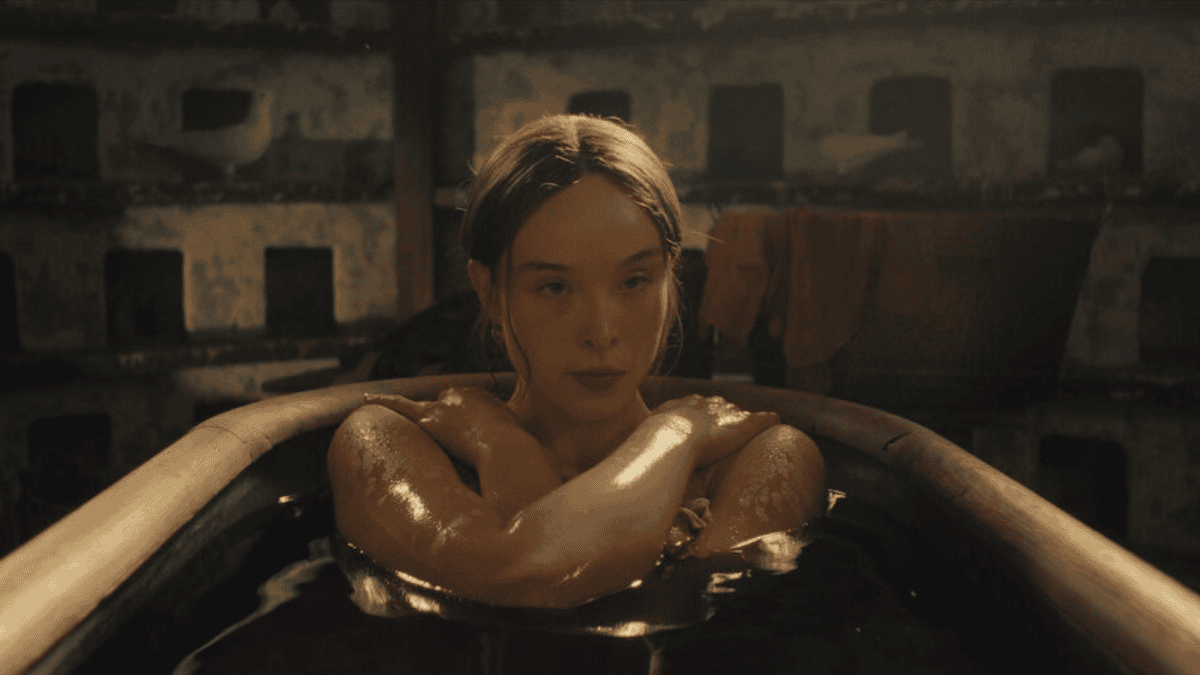
Lizzie Borden, a name I’m sure has been embedded in your memory for a long time. But for those that are unfamiliar with the details of the case. I think there is a good chance that you’ve heard the rhyme about the axe and the 40 whacks. If you haven’t go look it up. It’s catchy but disturbing. Also like many things repeated for more than a century, it’s not entirely accurate.
Now Netflix has decided to revisit the story in Monster: The Lizzie Borden Story, with Ella Beatty stepping into the role of the woman who became one of America’s most famous accused killers. And this time, the Monster anthology finally has its first female “monster”. Only there is one rather important complication. A jury acquitted Lizzie Borden.
Here’s a quick update on what transpired. The case revolved around Andrew and Abby Borden, whom authorities found murdered inside their Fall River home in Massachusetts in 1892. Police arrested Andrew’s daughter Lizzie, and prosecutors put her on trial for the killings, but a jury found her not guilty the following year. Since no court ever convicted anyone else, the murders officially remain unsolved.
But of course popular culture had to have their say. So, over the years, Lizzie has appeared in books, films and television shows. The most disturbing part is that someone turned the case into a nursery rhyme. And this transformed an unsolved double murder into something children could skip rope to. Yeah, humanity is strange like that.
The version of the new Netflix series of Lizzie lives inside a cruel Victorian household and becomes increasingly consumed by rage, repression and her relationship with the family’s maid, Bridget “Maggie” Sullivan. Beatty has openly described the character as a fictionalised interpretation of the real woman. That distinction matters because Netflix’s own synopsis goes further than the historical record and flatly presents Lizzie as the person who kills her father and stepmother. The real Lizzie went to court and walked away acquitted. The series has chosen its answer to a question historians and true-crime followers still debate. Netflix Tudum
Now I don’t know about you, but this is where the story becomes more interesting than another beautifully dressed period drama with a suspicious amount of blood on the wallpaper. The previous seasons of Monster dealt with Jeffrey Dahmer, the Menendez brothers and Ed Gein. But I wouldn’t describe the crimes in those seasons as mysteries in quite the same way. Because here, Lizzie Borden arrives with more than a century of speculation attached to her, and that gives the series a very different problem.
Is it examining how society creates a monster, or is it simply choosing the most dramatic version of an unsolved story? Ian Brennan, co-creator of the series has said that the season explores the restrictions placed on women during that period. Followed by the belief that a respectable Victorian woman could not possibly possess the strength or thoughts required to commit such a violent crime. That idea accompanied Lizzie into the courtroom, where an all-male jury acquitted her due to the case being largely built on circumstantial evidence.
It seems gender played a huge role here. Not only did her gender protect her in court, but it also helped turn her into a legend afterwards. People just could not associate characteristics of sheer violence and murder with a churchgoing woman from a wealthy family. And that contradiction became more fascinating than the verdict. So she may have been legally cleared, but the public never really pronounced her innocent.
The series also seems determined to make Lizzie’s rage understandable. Charlie Hunnam plays her father Andrew, while Rebecca Hall takes on the role of her stepmother Abby. Vicky Krieps plays Bridget, whose relationship with Lizzie becomes central to this interpretation of the story. The production has described the season as darkly funny, heightened and closer to a punk-rock period piece than a traditional historical drama. And while that may sound
entertaining, it also means that viewers should probably consult with Google as they watch the series unfold.
I genuinely do not believe that there is anything wrong with a series taking creative liberties. I mean, television would become terribly dull if every historical drama paused every five minutes to produce court documents. But this one is different because when a real person was acquitted and the crime remains unsolved, turning interpretation into certainty deserves attention. And that could be the reason why Lizzie Borden still holds our interest.
She can be framed as a victim of repression, a cold-blooded killer, a woman failed by her family or someone condemned by public opinion despite a not-guilty verdict. Every generation seems to take the same woman and build the version it finds most useful.
Watch The Trailer here:
Netflix has chosen its version. Now audiences get to decide whether they see a monster, a myth or something far more complicated.
Monster: The Lizzie Borden Story is now streaming on Netflix.
