

Over the years, Hollywood’s idea of progress was simply, make everything bigger. Bigger screens, bigger budgets, bigger explosions and eventually cinemas so enormous that you practically needed peripheral vision to watch the entire movie. Then came a smartphone with a vertical screen.
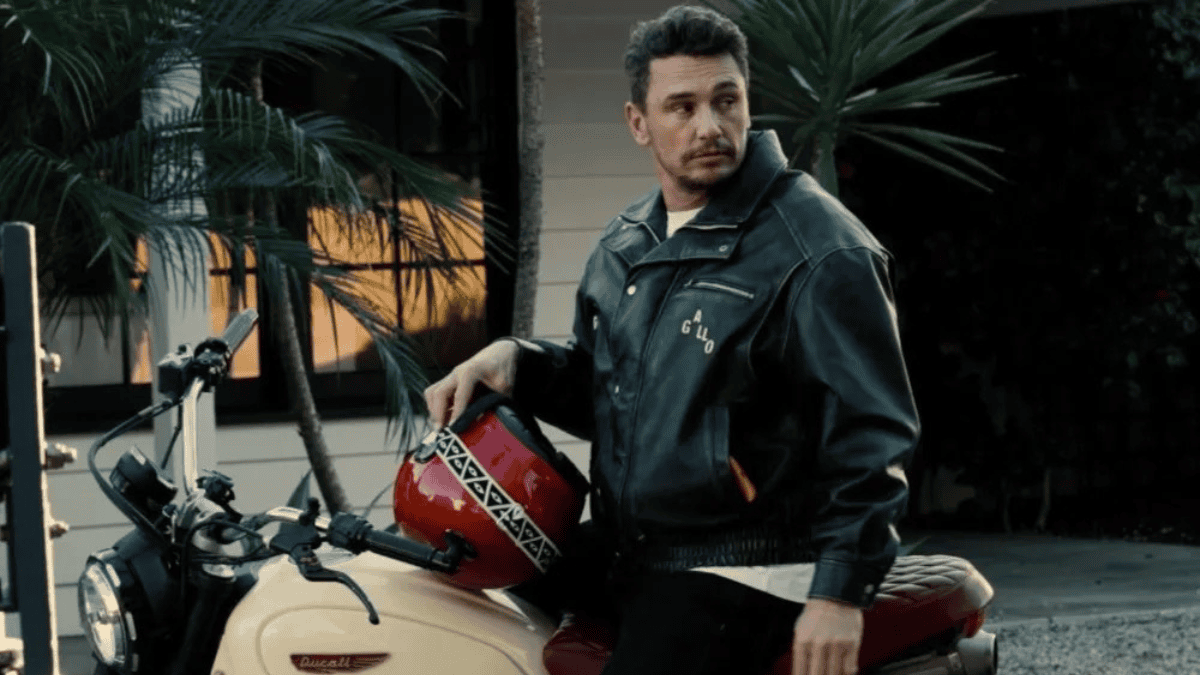
And suddenly we’re watching entertainment on a screen small enough to fit into our pockets. But apparently shrinking the screen wasn’t enough because now Hollywood is beginning to turn the entire thing sideways… or should I say upright. According to Variety, James Franco is starring in a vertical microdrama called Love, Lies & Frank for Shortical. Yes, vertical. In the same way you hold your phone while scrolling through TikTok, Instagram Reels or YouTube Shorts. Now before you dismiss this as another strange internet experiment, just know that this format is becoming a really serious matter.
For those who are not familiar with Microdramas, they are essentially television shows chopped into extremely short episodes. These episodes last only for a few minutes and are specifically designed for mobile viewing. They’re fast, dramatic and usually end with enough of a cliffhanger to make you immediately watch the next episode. So in a nutshell, television has discovered scrolling.
What makes Franco’s involvement interesting isn’t simply that a recognisable Hollywood actor has joined one. It’s what his involvement represents. For years, there was a fairly obvious hierarchy in entertainment. Movie stars wanted theatrical releases and Television actors wanted prestige television. The entertainment industry often treated digital content as the younger, slightly chaotic cousin of “proper” entertainment. Of recent that wall is quickly disappearing.
TikTok, YouTube and Instagram have already trained billions of people on how to consume vertical videos. The need to turn our phones sideways is fading fast and is only done on the rare occasion that we are forced to. And now entertainment companies are beginning to ask a rather obvious question.
Why keep forcing audiences to adapt to television when television could adapt to audiences? Interesting right? Because the vertical screen isn’t simply changing how we watch stories. It could eventually change how filmmakers make them.
In traditional cinema, directors use wide shots to show landscapes, crowds and enormous action sequences. Characters can stand on opposite sides of the frame while the audience takes in everything happening between them. But a vertical screen changes those rules completely. Suddenly faces become more important. Close-ups dominate. Two people standing beside each other become surprisingly inconvenient. And that beautiful panoramic shot of New Zealand you’ve spent millions filming? Congratulations. Half of it just disappeared.
But perhaps we need to look at this from a different perspective. Every new entertainment format initially looks strange because we’re comparing it with whatever came before. Television was once considered inferior to cinema. Streaming was treated as something that could never replace traditional television. YouTube creators weren’t considered “real” entertainers. And we know how all of those arguments turned out. So maybe vertical dramas aren’t destroying television as such. Maybe they’re simply creating another version of it.
James Franco starring in one doesn’t mean Tom Cruise is going to start filming Mission: Impossible for TikTok tomorrow. At least I seriously hope not. Some things deserve a screen wider than my hand. But it does suggest that the line between Hollywood and mobile entertainment is becoming increasingly difficult to see. And if recognisable actors begin moving into vertical dramas, others will inevitably follow if the audience and money are there. Hollywood spent more than a century convincing us that bigger screens created bigger experiences.
Our phones may be about to prove that sometimes all you really need is a good story and a thumb.
