

The Resident Evil film franchise has spent more than two decades trying to crack the video-game adaptation formula. And in that process, we’ve received zombies, laboratories, suspicious corporations and enough slow-motion action to compete with the Zootopia’s Flash. But what it has not always given us is a film that feels like the games.
Now Zach Cregger’s new Resident Evil has arrived, and it seems the franchise may have finally figured things out. The film opened with $60 million at the North American box office, more than doubling the series’ previous opening-weekend record. That record belonged to 2010’s Resident Evil: Afterlife, which earned approximately $26.7 million during its opening weekend. The new film also brought in $48.3 million internationally, taking its worldwide opening to $108.3 million. Associated Press
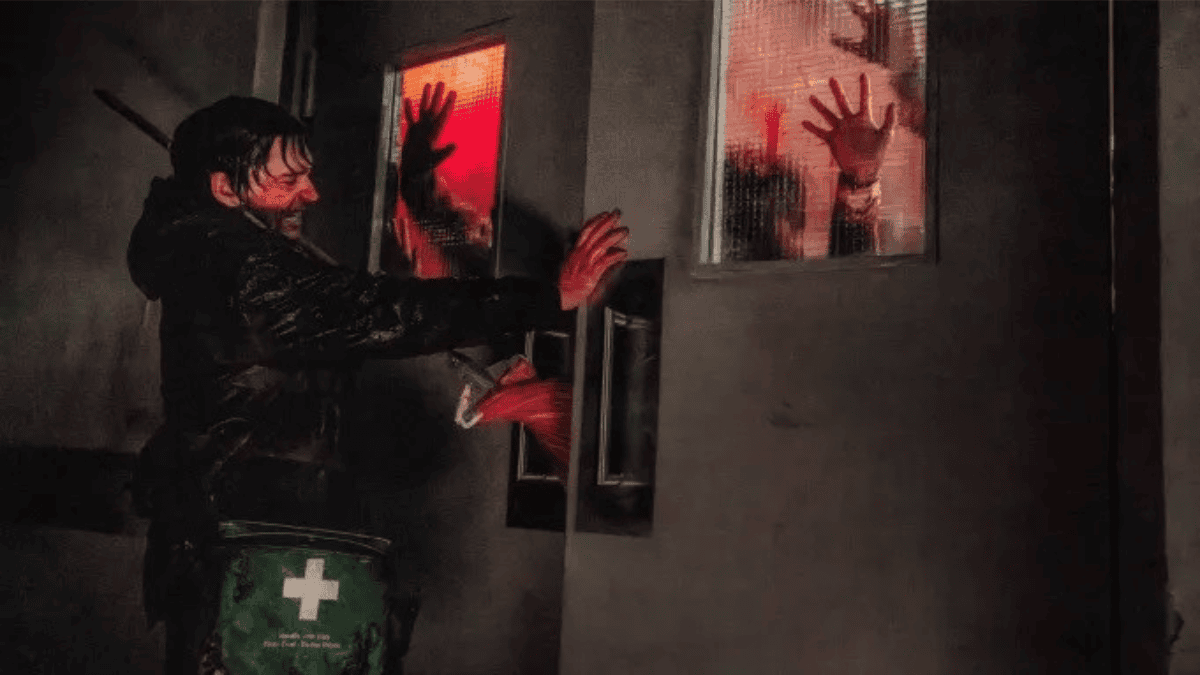
So I have no doubt that people wanted to return to Raccoon City. But sometimes success is found in the things that are left out. Cregger did not adapt one of the games directly. He also left out Leon Kennedy, Claire Redfield, Jill Valentine and Chris Redfield. For anyone familiar with the franchise, that is quite a list of people to leave at home. Instead, the film follows Bryan, played by Austin Abrams, a medical courier whose final delivery of the evening sends him into the kind of nightmare that normally requires several weapons, medicinal herbs and a conveniently placed typewriter.
Now I will be the first to admit that creating a Resident Evil film without the characters fans already love sounds risky. It is no secret that video-game audiences have practically begged Hollywood to respect the source material. And what happens? A director arrives and announces that he will not be using the heroes everyone recognises. So yeah, some fans had legitimate concerns.
Cregger explained that he did not want to retell Leon’s story because the games had already told it well. So rather than borrowing a famous character and placing him inside a different plot, he chose to create someone new within the same universe. Now here’s a bit of creativity that totally worked.
The film received overwhelmingly positive reviews and held a 95% score on Rotten Tomatoes during its opening weekend. Critics praised its horror, humour and ability to capture the spirit of the games without simply recreating their stories. GamesRadar
This to me is where the film offers Hollywood a useful lesson. Fans do not necessarily need an adaptation to copy every scene, costume or character. All they are looking for is evidence that the people making it understand why the original worked. Resident Evil was never only about Leon’s hair or the extremely questionable employment practices at Umbrella Corporation. The games created tension by making players feel trapped, underprepared and deeply suspicious of every corridor. You counted bullets, checked doors and knew that something unpleasant would probably appear the moment you started feeling comfortable.
Cregger seems to have understood that atmosphere matters just as much as the mythology. Previous Resident Evil films often leaned towards large-scale action. There is nothing wrong with that, especially when Milla Jovovich is running down a building or fighting something that should probably not have that many teeth. But the films gradually moved further away from the survival horror that made the games so memorable. The new film appears to pull the franchise back towards that discomfort while still telling an original story. And therein lies the difference between copying a game and adapting one.
A direct copy may give fans familiar characters, locations and dialogue, but games and films ask audiences to experience stories differently. What feels tense when you control a character may not have the same effect when you watch someone else make the decisions. So perhaps the smartest thing Cregger did was stop trying to replace the experience fans already had. He did not give audiences a weaker version of Leon’s story. He gave them another story that could plausibly exist beside it.
But of course, one successful weekend does not guarantee that every fan will agree with the creative choices. There will always be someone asking where Leon is, and honestly, that man has survived enough situations to earn the attention. But $60 million suggests audiences were willing to try something different. Hollywood has spent years learning that video-game adaptations can succeed when filmmakers respect the source material. Resident Evil may have introduced the next part of that lesson.
Respect does not always mean repetition. Sometimes it simply means understanding the world well enough to tell a new story inside it.
