
Batman, Harry Potter, SpongeBob SquarePants and the entire Star Trek universe now have something rather unexpected in common. They all belong to the same ginormous entertainment company. And I imagine that corporate group chat has become very difficult to manage.
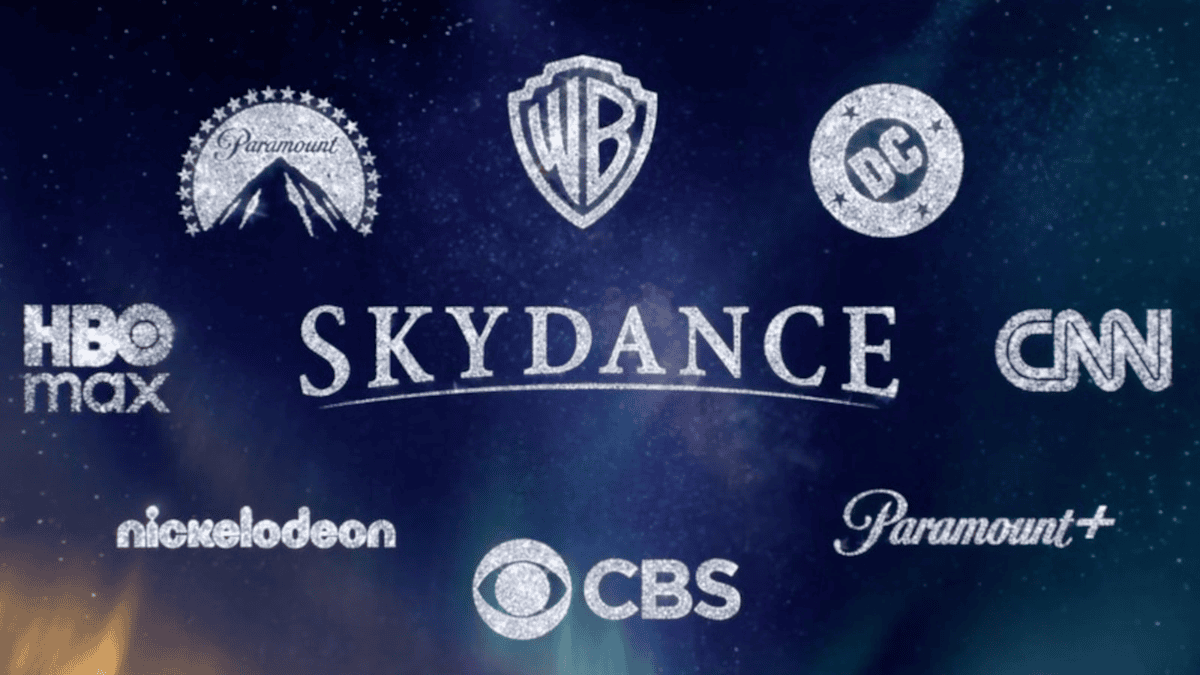
Paramount has officially completed its acquisition of Warner Bros. Discovery. Whether this has deep meaning for you or not, here’s what that means. The combined company will operate under the name Skydance, bringing two of Hollywood’s oldest studios under one roof. So alongside those previously mentioned characters, the company now controls franchises and brands connected to Game of Thrones, Scream, Top Gun, Superman, The White Lotus and a long list of others.
And when I say long, I’m not joking. Getting through the list would require snacks and energy drinks, you know what I mean.
The deal also places CBS, HBO, CNN, Nickelodeon, Cartoon Network, MTV, Comedy Central, Paramount+, HBO Max and several other television and streaming businesses inside the same company. Skydance says the combined platforms have more than 200 million streaming subscribers. Now I ask you with tears in my eyes, could this become any bigger than it already is? Well… apparently so. It plans to bring its streaming services together over time, although it has not fully explained what that future service will look like or what subscribers will eventually pay for it.
Now, I know corporate acquisitions are not always the most exciting subject. There are usually several people in suits using phrases such as “operational efficiencies” while everybody else tries to work out whether another streaming subscription is about to become more expensive. But this merger matters because of the amount of entertainment now controlled by one company. Skydance has promised to release at least 30 films every year, with a minimum 45-day theatrical window. The new company also begins its life with more than 180 television programmes and series. David Ellison, the chairman and CEO, says Warner Bros. and Paramount will keep their individual identities. Their familiar logos will remain at the start of their films, although audiences will now see “A Skydance Company” underneath.
So no, I don’t expect Bugs Bunny to suddenly appear in Mission: Impossible. Although stranger things have happened.
The company also plans to keep both historic studio lots. One may eventually focus on films while the other handles television and streaming. The exact arrangement has not been finalised, but Skydance says it wants the studios to remain creatively independent while coordinating their release schedules. And on paper, there are some possible benefits. A company with this much money, talent and intellectual property can fund ambitious projects. In all probability it has enough content to compete with Netflix, Amazon and Disney without cancelling everything that fails to become a global obsession by the second weekend. And a promise of 30 theatrical films every year is certainly better than hearing another studio explain why cinemas should survive on four blockbusters and hope.
But the size of this company also raises an uncomfortable question. How much entertainment should one business control?
When two studios compete, they make separate decisions about which filmmakers to support, which projects deserve money and what audiences might want. When they become one company, there is one less place for a rejected idea to go. Skydance may keep the creative teams separate, but the money eventually leads back to the same owners. So you understand the dilemma.
But having said that, it does not mean every film will suddenly look the same. Warner Bros. and Paramount already contain different labels, filmmakers and creative cultures. But as we all know, consolidation usually arrives with promises of efficiency. And as much as we hate to admit it, efficiency has a habit of sounding wonderful in presentations before turning into job losses, fewer risks and another attempt to extract more from the franchises people already recognise. Because the fact is that Skydance did not spend all this money to leave Batman, Harry Potter and Game of Thrones resting quietly. Those names will be expected to work.
The company insists that original films will remain important, and Ellison pointed to the success of Sinners while promising a varied slate containing both original stories and established franchises. I hope that promise survives the first difficult financial year. Hollywood has a habit of supporting originality right up until somebody suggests a sequel with better merchandise opportunities. For audiences, the most immediate change may eventually involve streaming, where HBO Max and Paramount+ will unite into a single service over time. One subscription could offer a much larger library, which sounds convenient. But on the other hand, fewer competing services can also mean fewer choices over price and access. Convenience often arrives carrying a new monthly fee.
So yes, Batman, Harry Potter, Star Trek and SpongeBob now live under the same enormous roof. That could create opportunities for bigger films, stronger streaming libraries and more investment in cinemas.
You know what else it could create? A very expensive machine that looks at every beloved character and asks how soon the next instalment can enter production.
Skydance says it wants to protect these famous stories.
Fans will now be watching to see whether protection means nurturing them or simply keeping them very busy.
