
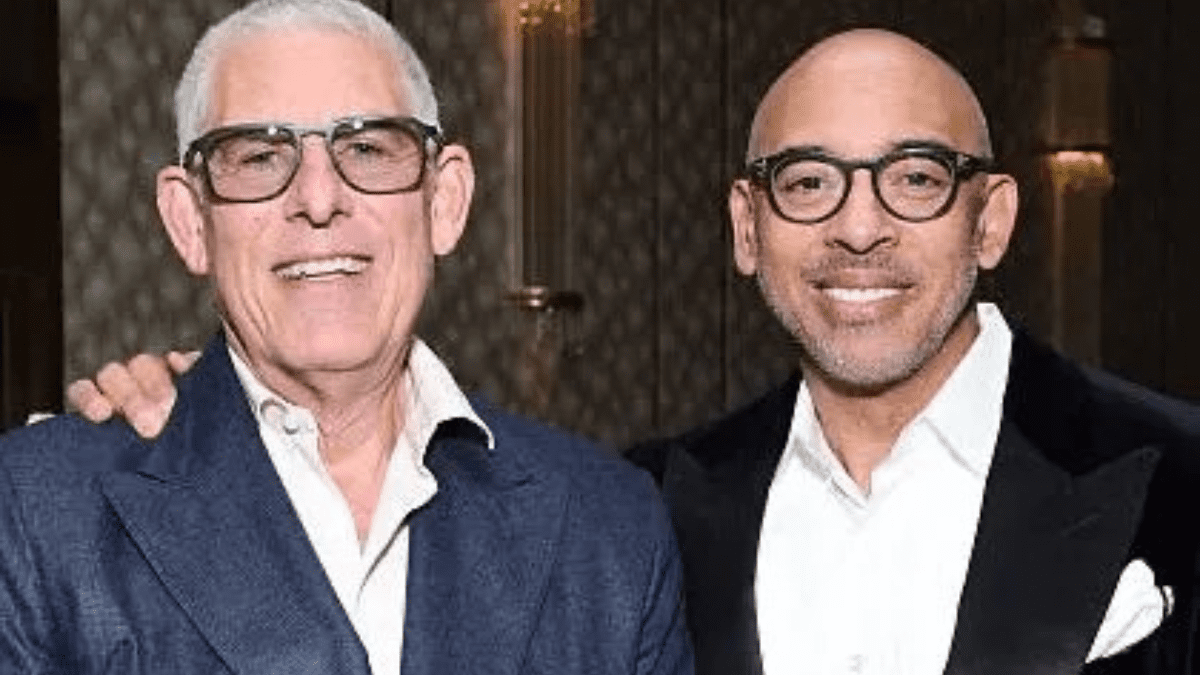
Hollywood, the music industry, and even some of the biggest tech companies in the world are all pushing for the same piece of legislation. That alone should tell you something. As reported by Variety, Recording Academy CEO Harvey Mason Jr. and YouTube’s Global Head of Music Lyor Cohen have both come out in support of the NO FAKES Act, a bipartisan bill that is currently making its way through Congress and could fundamentally change how AI is allowed to use your voice and likeness. And when I say your voice, I mean yours. Not just Beyoncé’s. Not just Tom Hanks’. Literally every person’s.
So what is the NO FAKES Act exactly? The full name is the Nurture Originals, Foster Art, and Keep Entertainment Safe Act. Why? because Washington loves an acronym. In plain terms, it would create the first federal intellectual property right over AI-generated replicas of a person’s voice and visual likeness. In practical terms, the law would hold people accountable if they use AI to clone your voice, put your face on something, or create fake videos of you saying things you never said without your permission. The best part is that the right would even survive death. Imagine receiving protection for up to 70 years after your death, while your family retains the right to inherit and license your likeness.
Now for the juicy bit. Platforms that knowingly host unauthorised replicas could face liability of up to $750,000 per work. That works for me, but this isn’t
a new conversation. The SAG-AFTRA strike in 2023 was partly about this issue. Studios wanting to use actors’ digital likenesses in perpetuity, essentially replacing them with AI versions of themselves. Boy did it get messy, expensive, and it ultimately forced the industry to the negotiating table. But a studio-by-studio agreement was always going to be a patch, never a solution. The NO FAKES Act is the attempt at a proper fix.
And you have to admire the momentum behind it right now, which is hard to ignore. More than 16,000 people have signed SAG-AFTRA’s open letter to Congress, urging lawmakers to pass the bill. The signatories aren’t all celebrities either. Students and parents alike have signed the letter. Everyday people who have seen what AI deepfakes can do and want protection have signed it. SAG-AFTRA president Sean Astin put it bluntly when he said that unchecked AI can ruin lives. He also said that it doesn’t matter whether you’re a public figure or a high school student facing online harassment.
The coalition backing the bill reads like something you’d have to make up. There is a consensus accross OpenAI, YouTube, IBM, Disney, TikTok, Universal Music Group, Warner Music Group, Sony Music, the AFL-CIO, the Motion Picture Association, the RIAA, and the American Medical Association. SAG-AFTRA’s national executive director Duncan Crabtree-Ireland said it himself, rarely does legislation earn this kind of cross-sector support. Mason and Cohen made the case at this year’s Grammys on the Hill, a three-day advocacy event in Washington D.C. that has been running for 25 years and has already produced some significant legislative wins, including the Music Modernization Act back in 2018.
The two took part in a Future Forum keynote exploring how the creative community and the tech industry can work together to face what AI is doing to music right now. They made their position clear in saying that the time for voluntary agreements and platform-level promises is over. What is required with urgency is Federal protection.
The Senate Judiciary Committee is currently reviewing the bill and has scheduled a vote for June 18. Passing that hurdle puts it on the path to a full Senate floor vote and eventually the House. It’s further along than any previous version of the bill, which is either encouraging or a sign of how serious things have gotten depending on how you look at it.
But as usual there are naysayers. The Electronic Frontier Foundation has raised concerns that the bill, in its current form, could overcorrect. They are of the opinion that this could potentially suppress satires, parodies, biopics, as well as remix culture by creating an IP right so broad it becomes a tool for censorship rather than protection. Public Knowledge has also called for significant revisions. Those are legitimate concerns and worth watching as the bill moves through committee.
But at the very core of this is the idea, that you should have the legal right to control whether an AI uses your voice or your face without asking you first. That’s not a controversial position. That’s just basic human dignity written into law. We’ve already seen what happens when this stuff goes unchecked. There are AI-generated songs using dead artists’ voices without their families’ knowledge. Fake endorsement videos. Voice clones used in scam calls. Faces selling supplements the person never agreed to promote. And the list goes on. This is not a hypothetical future problem. It’s happening right now, today, with basically no legal recourse for the people being exploited.
The NO FAKES Act won’t solve everything. I mean, no single piece of legislation does. But it’s a start, and the fact that the music industry, Hollywood, and the tech sector are all in the same room pushing for it at the same time says a lot.
Watch this space.
