

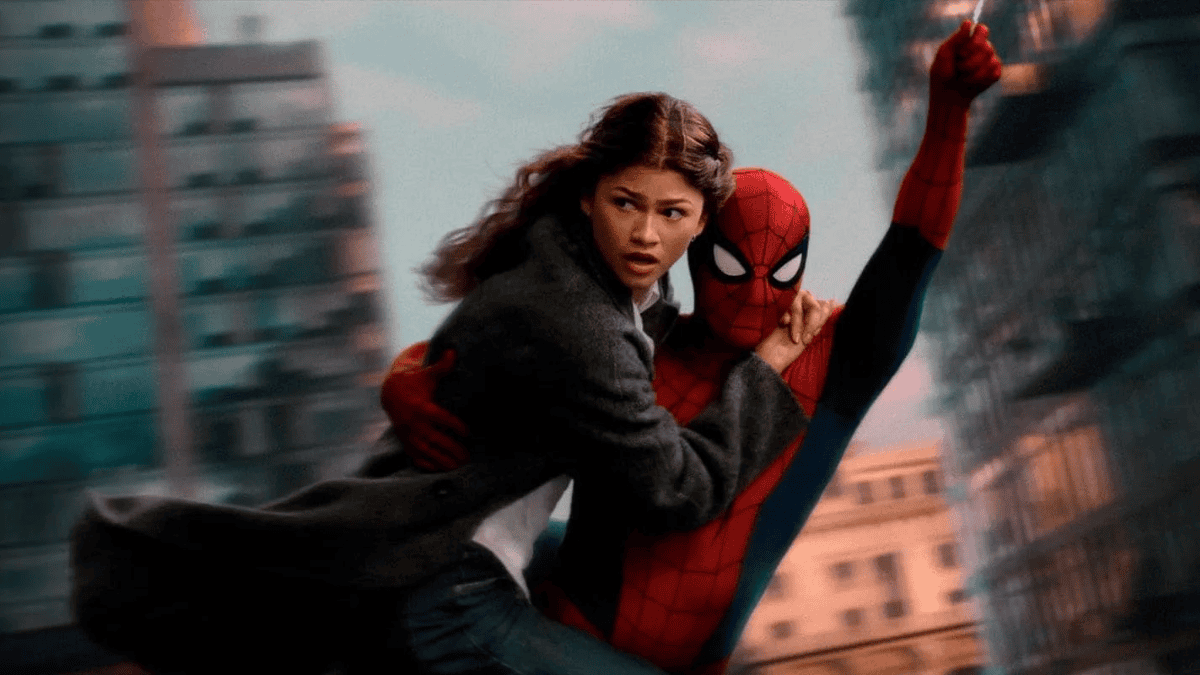
For the past few years we’ve heard the same two words every time a superhero movie struggles at the box office. Superhero fatigue. Apparently audiences have had enough of capes, masks, multiverses and watching entire cities get destroyed while two people settle their differences. Now hold on, there may actually be some truth to that. We have all witnessed several superhero movies that have just flopped. From what I can see, there’s one small problem with the superhero fatigue argument. Nobody appears to have told Spider-Man.
Spider-Man: Brand New Day has become an absolute monster at the box office. The Tom Holland movie has now crossed $2 billion worldwide, becoming only the eighth movie ever to reach that milestone. One would imagine that it would start slowing down four weekends after opening, but there is no sign of that, it’s still sitting at the top of the North American box office.
Those numbers are ridiculous. But they also raise a far more interesting question. Why do audiences never seem to get tired of Spider-Man?
Think about it. We’ve had Tobey Maguire, Andrew Garfield, Tom Holland, Animated Spider-Men with a bunch of different villains in different universes. There have also been Reboots, Sequels, Origin stories, and Multiverses. We’ve watched Uncle Ben die enough times to understand the message.
And yet, give Peter Parker another suit and suddenly we’re buying popcorn again.
Maybe, it’s because Spider-Man has always been one of the easiest superheroes to relate to. Take away the mask and Peter Parker is essentially just trying to get through life without everything falling apart. He has pretty much the same concerns as the man on the street. Spider-Man worries about money, falls in love, loses people, makes terrible decisions, and sometimes disappoints his friends. He struggles with responsibility and occasionally has to save New York before getting home to deal with whatever disaster is waiting in his personal life.
Here, his superpowers almost feel secondary. That’s something Brand New Day appears to understand particularly well. After No Way Home essentially erased Peter Parker from the lives of everyone he loved, the new film had the opportunity to strip Spider-Man back to basics. And audiences clearly responded. The movie opened to around $360 million domestically, breaking Avengers: Endgame’sopening-weekend record, before racing past $1 billion and eventually $2 billion worldwide.
This is all happening while we’re supposedly tired of superhero movies. Or are we? Maybe it’s a case of audiences becoming more selective. For years superhero movies could almost rely on the logo to do half the work. Marvel was Marvel. DC was DC. Put a recognisable hero on the poster, tease something about the next movie during the credits and millions of people showed up. It was easy back then, but that relationship has changed.
Audiences will now skip superhero movies that don’t grab their interest. But give them a character they genuinely care about and a story worth watching, and they’ll still arrive in enormous numbers.
Spider-Man also has something many superheroes don’t. He has successfully survived the actors playing him. Normally when audiences strongly associate one performer with an iconic character, replacing that actor creates a problem. Yet Spider-Man somehow moved from Maguire to Garfield to Holland while each version developed its own audience. And then No Way Home did something rather clever. Instead of asking fans to choose which Spider-Man mattered, it told them they could love all three. Perhaps Spider-Man’s greatest advantage was providing every generation with its own Peter Parker without completely losing the one that came before. Added to that is the timelessness of the story.
Peter Parker isn’t a billionaire, or a god. He wasn’t born on another planet and most of the time he doesn’t even have his life together. He’s simply someone who was given extraordinary abilities and discovered that having power doesn’t necessarily make life easier. Sometimes it makes everything considerably worse which brings out his humanity.
Brand New Day’s extraordinary success doesn’t necessarily prove that superhero fatigue is nonsense. Audiences may genuinely have grown tired of endless interconnected universes, obligatory cameos and movies that feel more interested in setting up the next instalment than telling the story we’re currently watching. But perhaps we’ve been using the wrong phrase all along. Maybe audiences aren’t suffering from superhero fatigue. Maybe they’re suffering from mediocre superhero movie fatigue.
Because when the right character, story and excitement comes together, people clearly haven’t forgotten where the cinema is. And after decades of movies, three live-action Peter Parkers and enough webbing to wrap Manhattan several times over, Spider-Man continues doing something most superheroes would probably kill for. He keeps making audiences come back.
Apparently with great power comes great box-office reliability.
