
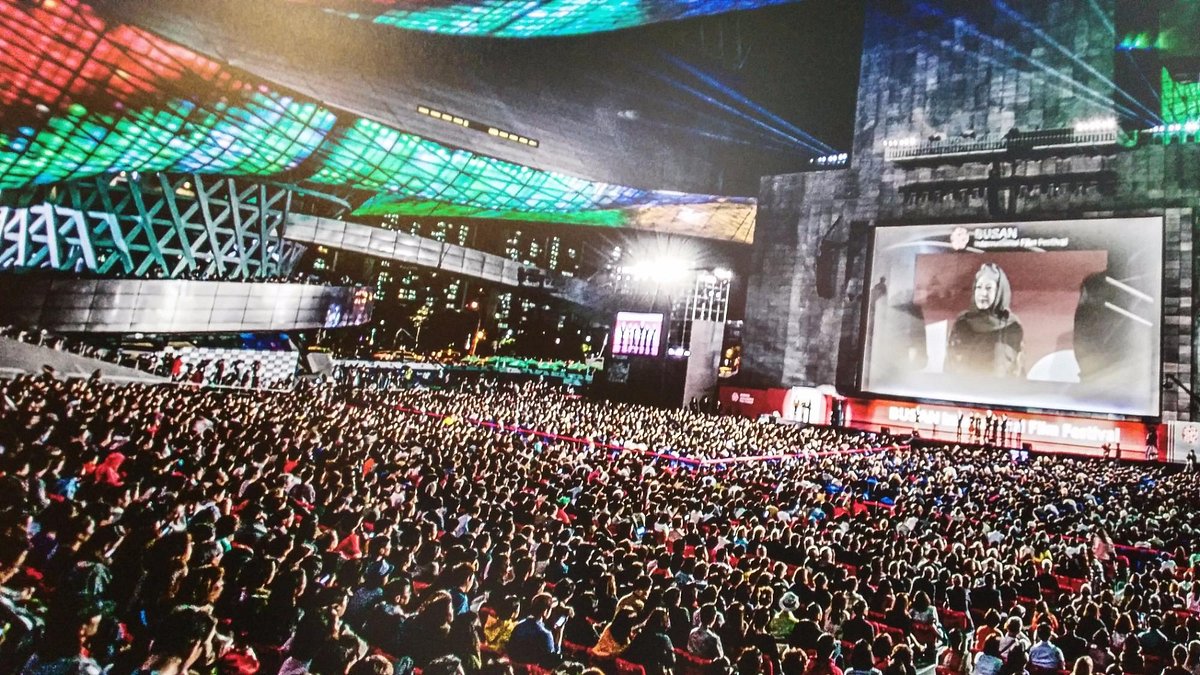
Not too long ago, attending a major film market was relatively straightforward. We had filmmakers arriving with movies for keen buyers. Deals were made, and everyone went home hoping they had discovered the next big thing. But things have changed considerably. Today the next big thing might not even be a movie. It could be an AI filmmaking tool, a microdrama platform, a virtual production technology or something that didn’t exist five years ago. And this year’s Asian Contents & Film Market in Busan is starting to look like the place where all of those worlds are about to collide.
According to reports, major technology companies including Google DeepMind, Amazon Web Services, Kling AI and Alibaba will participate in InnoAsia, the technology-focused programme taking place during the Asian Contents & Film Market in October. The programme aims to bring storytelling and emerging technology together, with AI, content production and the rapidly growing microdrama industry all getting a seat at the table. Now that is interesting. Because not too long ago, artificial intelligence existed somewhere on the outskirts of the film industry. Filmmakers conducted experiments with it. People argued about it and occasionally panicked about it. But today we’re watching some of the world’s biggest technology companies walk directly into one of Asia’s major film markets. Now there’s a leap worth talking about.
Microdrama platforms including Mango TV, FlickReels and Vigloo will also participate in InnoAsia. Geekhub previously made mention about how vertical dramas are turning the smartphone into another entertainment screen. But pay close attention because their presence here tells us something more important. The industry is taking note of these new formats and is actively bringing them into the business conversation. In fact, the Asian Contents & Film Market now describes itself as a marketplace not only for films and series, but also animation, webtoons, web novels and AI-driven content.
Think about how much the definition of entertainment has expanded. A filmmaker can now develop a traditional feature film, create a vertical series for phones, use AI during production and potentially adapt intellectual property that began life as a webtoon. Film festivals and markets like these have traditionally helped decide which movies find financing, distribution and international audiences. But if organisations like Busan increasingly bring filmmakers, technology companies, AI developers, investors and mobile-content platforms together, their role begins to change as well.
Forget about them simply being marketplaces for movies. They’re becoming marketplaces for how movies and entertainment might be made next. Of course, that doesn’t mean everyone is going to welcome this technological invasion with open arms. AI remains one of the most controversial subjects in entertainment, particularly around copyright, jobs, consent and the material used to train these systems. Those arguments aren’t disappearing because Google DeepMind and Kling AI have arrived at a film market. But perhaps their arrival tells us something important. For years we’ve asked whether AI, microdramas and new technology actually belong alongside traditional filmmaking. The entertainment industry increasingly appears to have made that decision for us. They aren’t waiting outside anymore.
Someone has given them a badge and invited them in.
