

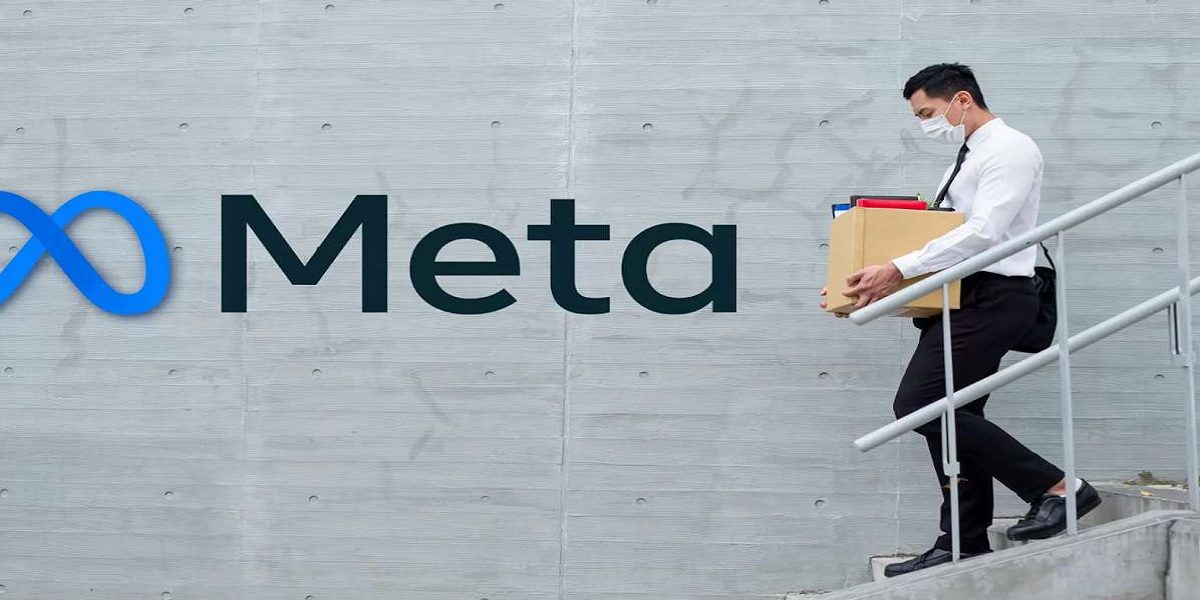
For most of the past two years, Silicon Valley has been selling a simple story about artificial intelligence. AI will create new industries, unlock creativity, and supercharge productivity.
But behind the scenes, a quieter story is unfolding.
And it may cost thousands of people their jobs.
According to Reuters, Meta Platforms is planning a sweeping round of layoffs that could affect 20% or more of its workforce, as the company pours billions into artificial intelligence infrastructure and talent. The discussions are still internal and no timeline has been finalized, but senior executives have reportedly already been asked to begin planning how to trim teams.
If the cuts go ahead, it would mark the largest restructuring in Meta’s history.
The AI arms race is getting expensive
Meta currently employs roughly 79,000 people globally. A 20% reduction would mean more than 15,000 jobs at risk.
The motivation is straightforward. AI is becoming the most expensive technology race the industry has ever seen.
Training modern AI models requires enormous computing power, massive data centers, and highly specialized chips. Companies are now spending tens of billions of dollars just to stay competitive and Meta is no exception.
The company is aggressively investing in generative AI models, infrastructure, and research, including new data centers and elite engineering teams designed to compete with rivals like OpenAI, Google, and Anthropic.
But that spending comes with a trade-off. If you are spending more on machines, something else has to shrink.
Increasingly, that “something else” is headcount.
AI may replace the work of large teams
One of the more uncomfortable truths about the AI boom is that the technology is making certain kinds of knowledge work dramatically more efficient.
Executives inside Meta reportedly believe AI-assisted engineers can now accomplish what previously required larger teams, allowing the company to operate with fewer employees.
In other words, this is not just about cutting costs.
It is about redesigning the company around AI.
Managers have already been instructed to consider leaner organizational structures, including unusually large manager-to-engineer ratios.
That signals a shift in how big tech companies are thinking about productivity.
Less hierarchy. Fewer layers. More automation.
The latest chapter in Meta’s “efficiency” era
Meta has been here before.
Back in 2022 and 2023, CEO Mark Zuckerberg declared a “year of efficiency” after the company realized it had over-expanded during the pandemic tech boom. That restructuring eliminated about 21,000 jobs across two waves of layoffs.
At the time, the cuts were framed as a correction.
Now they look more like the beginning of a structural shift.
Meta is moving away from some of its previous bets, including heavy spending on the metaverse and certain Reality Labs projects, while doubling down on AI development and infrastructure.
The company insists the latest reports are speculative, but the internal conversations tell a clear story.
The future Meta is building may require far fewer people.
Silicon Valley is quietly following the same playbook
Meta is not alone here.
Across the tech industry, companies are increasingly tying layoffs to AI adoption.
Firms argue that smarter tools allow smaller teams to build and operate complex products. Some analysts believe this trend will reshape the workforce of the entire tech sector.
Others are more skeptical.
Some critics suggest that companies may be using AI as a convenient explanation for layoffs that are really about correcting pandemic-era over-hiring.
Either way, the outcome is the same.
AI is not just transforming products.
It is reshaping the companies that build them.
The uncomfortable reality of the AI boom
There is a paradox at the heart of the current AI revolution.
The technology promises enormous productivity gains.
But productivity gains often mean fewer people are needed to do the same work.
For decades, Silicon Valley told a story about technology creating jobs.
AI may tell a different one.
And if Meta’s plans materialize, the industry is about to find out just how different that story might be.
