

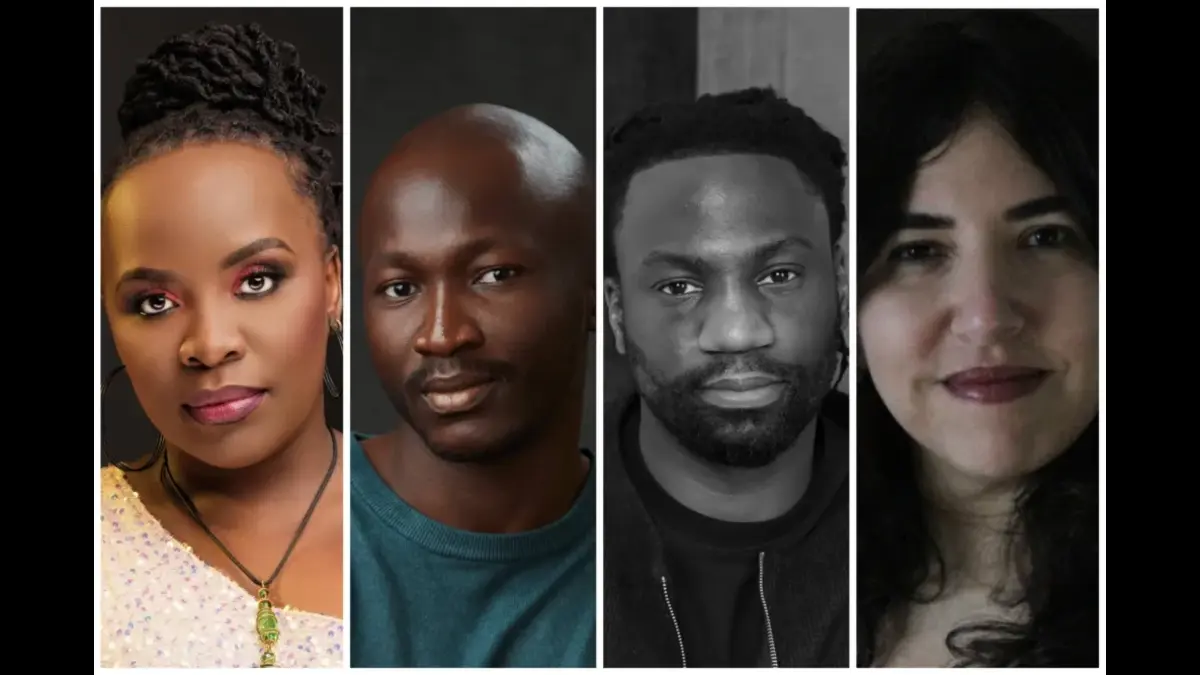
Watching African writers step into international spaces with stories that do not shrink themselves to be understood is deeply satisfying. At Series Mania 2026 in Lille, four African screenwriters are stepping forward to pitch original television projects to international industry guests per Variety. On paper, that sounds like a standard festival update, but in reality, this is really big. It is about African storytellers arriving with work that is specific, genre-driven, ambitious and fully aware of its own value. It can only be described as true authentic strong African stories, told with charisma and confidence.
Why This Series Mania 2026 Moment Feels Bigger Than a Festival Update
And yeah, I know, on the surface, that sounds like one more festival headline. Another market update or a polite little announcement about emerging talent. But underneath it, there is something far more interesting taking shape. This is more about ownership and authorship than just visibility. This is about African creatives walking into rooms that have historically preferred to speak about them rather than to them. They arrive with fully formed ideas, distinct voices, and stories that do not ask anyone to soften, flatten, or familiarise them.
For a very long time, African storytelling has been filtered through expectation. There has always been this underlying pressure for it to explain itself first. To be either educational worthy, or serious in the exact way that accommodates the rest of the world. And somewhere in that process, people start treating the creative freedom to be messy, thrilling, strange, funny, romantic, or genre-driven as a luxury instead of a right.. That is precisely why moments like this feel important. Not because African storytellers suddenly became talented the second Europe looked in their direction, but because access still shapes perception. The room, the invitation, and the people listening still matter. Festivals like Series Mania, running in Lille from March 20 to 27, 2026, still shape the industry’s idea of what counts as “global,” what can travel, and who gets to embody television’s future.
African Storytelling Has Never Lacked Range
What is important to understand is, that when African writers arrive with original projects in hand, they are doing more than just pitching. They are disrupting a very old pattern. The truth is that, African stories have never lacked imagination or range. And, let’s get this right, the problem was never the talent. It was the gatekeeping around what kinds of African stories were allowed to travel. Too often, the continent has been treated like a genre in itself. As though African storytelling must always come packaged as hardship, resilience, political pain or historical instruction. Is that Important?, yes, but it is also deeply limiting. We all know that a continent this vast was never going to fit into one emotional register. It deserves every genre available with stories that do not arrive carrying the burden of representation on every page. Stories that can simply be compelling because they are well told.
Why Television Still Matters for Writers Building Whole Worlds
These writers are not coming forward as symbols. They are coming forward as writers who understand that a good story does not become universal by sanding away its identity. It becomes universal by being precise, alive and emotionally true. There is also something refreshing about this happening in television specifically. TV has become one of the few spaces where writers can still build entire worlds one day at a time. It allows for texture and gives characters time to contradict themselves. It lets a story breathe long enough to become intimate. And maybe that is why this matters beyond one festival or one round of pitches. You see, when African writers gain traction in television, they are not just getting jobs. They are shaping the emotional language of what audiences around the world will binge, discuss and remember.
This Is Not a Breakthrough. It Is A Movement
Now let’s not get carried away here. This absolutely does not mean the industry has suddenly fixed itself. One spotlight moment does not erase years of underfunding, outsider framing or the exhausting habit of treating African creativity like a trend the minute international institutions can profit from it. But it does signal positive movement. And that is usually how change arrives anyway. So yes, this is a festival story with a reminder that African television is not waiting to be discovered. It is not standing outside the room hoping somebody finally notices it has something to say. It is already speaking, building, and evolving.
And honestly, it is about time.
