

Marvel, that crazy kid on the block, sure has high expectations from its audience. They have provided timelines, variants, multiverses and enough interconnected stories to start an encyclopaedia. Miss one series and the next thing you know is that a character is standing in another universe discussing an event that happened during episode six of a show you have still to catch up on. Exhausting stuff, I tell you.
But the first reactions to VisionQuest lead us to believe Marvel may have remembered something important. Marvel surprised audiences at New York Comic Con by screening the first episode of VisionQuest, while some critics had already watched all eight episodes. The early response has been extremely positive. Viewers have called the series weird, visually impressive and one of Marvel’s strongest television projects. TheWrap
Now I know we have heard this before.
Almost every major superhero project receives glowing first reactions. People walk out of the screening excited, post several capital letters on social media and announce that Marvel has changed everything. Then the rest of us watch it and wonder if we all attended the same screening.
So I am approaching the praise with a tad bit of with caution.
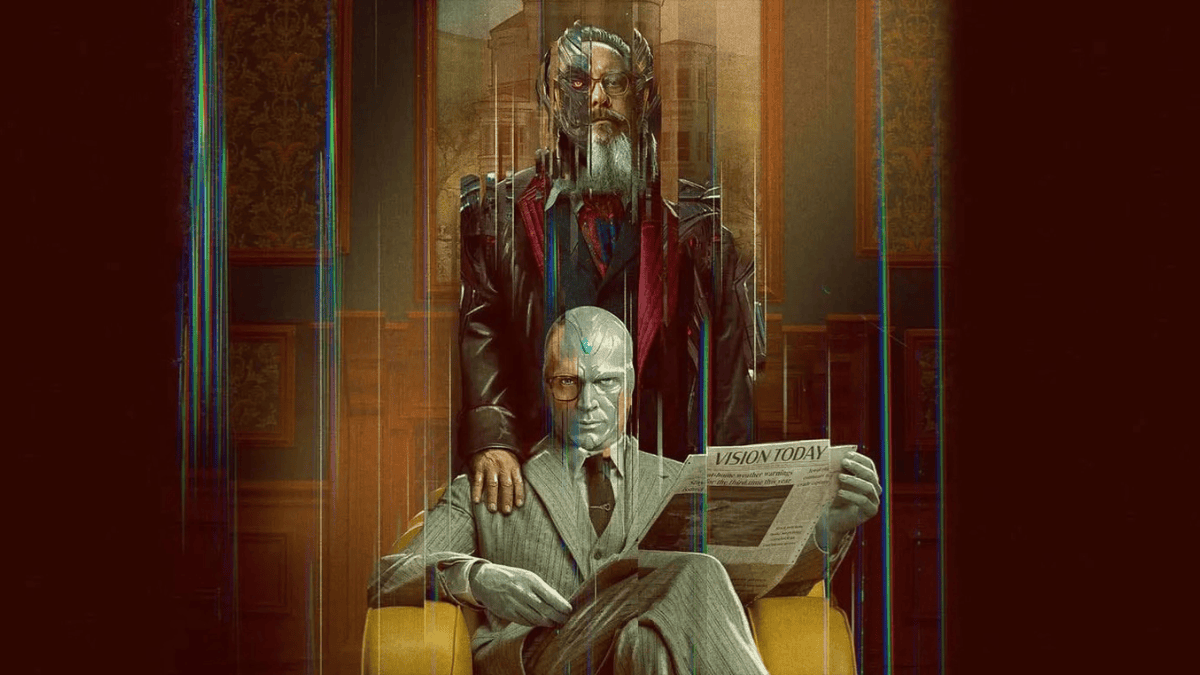
VisionQuest brings Paul Bettany back as White Vision, the rebuilt version of Vision who disappeared at the end of WandaVision. He has the original Vision’s memories, but not necessarily the emotional connection to them. Imagine remembering that you loved Wanda, raised two children and helped save the world, while feeling as though those experiences belonged to somebody else.
I have enough trouble recognising myself in old albums in the attic, to understand that Vision has an entire artificial life to work through. And to complicate matters further, James Spader is returning as Ultron for the first time since Avengers: Age of Ultron. The villain appears to occupy space inside Vision’s mind. And I seriously doubt that he’s there to offer emotional support. Besides Ultron has never given me the impression that he would be useful during a personal crisis.
Ruaridh Mollica also joins the series as Tommy Maximoff, the grown-up son of Wanda and Vision. So we now have a synthetic man searching for his humanity, a murderous robot living inside his head and a son looking for a father who may remember him without feeling like his father. And for many, that is just an ordinary family reunion in the MCU.
The series concludes the story that began with WandaVision and continued through Agatha All Along. The reason both shows worked is because they had their own personalities. WandaVision used old television sitcoms to explore grief and Agatha All Along gave us witches, songs and a magical road with a very poor approach to health and safety. So they were connected to the MCU, but they did not spend every episode reminding us.
And therein lies the problem with some of Marvel’s other television projects. We’ve seen a few that felt like films were stretched over for several weeks. And others appeared to be mainly interested in moving a character into some other role. By the final episode, audiences often received another cameo and the promise that the really important story would arrive at a later date.
A later date? How long must we wait for a later date to arrive?
This is usually where Marvel fatigue creeps in. Now I’ve heard a few comments regarding audiences beingtired of superheroes. And maybe they are. But I think many viewers and fans are just tired of stories about the same old stuff. I mean, there are only so many times the sky can open above a city before somebody should consider installing a permanent warning system.
The fact remains that people still show up when a superhero story feels different. Deadpool works because it knows exactly what it is. WandaVision took a risk with its format. Loki turned time travel into a story about identity and regret. Audiences are not necessarily rejecting comic-book characters. They are rejecting boredom. And Vision should be the perfect character to test that idea. Why? Because he can fly, change his density and fire energy from his forehead. That is bloody impressive. And it’s interesting that he is a machine trying to understand what it means to be alive. He fell in love, became a father and died more than once. Now he has returned with memories that may feel like files somebody copied onto a new device.
For me, that is a far more interesting problem to have than another villain threatening to destroy the planet. The early reactions suggest VisionQuest spends time on identity, grief and the humanity hiding inside a machine. It also explores Vision’s connection with Tommy, who must decide whether White Vision is still the father he remembers. Then Ultron enters the conversation. Because no family problem is complete without the person responsible for creating half of it turning up inside someone’s head, right?
Some would probably say that his return is just another example of Marvel using nostalgia to generate excitement. But Ultron actually belongs in this story. He is the reason behind the creation of Vision and has his own complicated ideas about humanity. Bringing him back makes complete sense beyond getting people to point at the screen. And yes, we still need to watch the series ourselves because first reactions are not full reviews, and excitement inside a convention hall can make almost anything feel like the greatest thing Marvel has ever produced.
But I must admit, the praise definitely caught my attention.
Maybe audiences do not need Marvel to abandon its connected universe. They just need Marvel to make the connections matter. Give us characters dealing with the consequences of their past instead of cameos inserted to promote the future. And please allow the strange characters to remain strange.
VisionQuest arrives on Disney+ on 14 October. Marvel
Will it solve Marvel fatigue? Probably not.
But if Marvel has finally remembered how to be weird again, I’m willing to see where this particular quest goes.
