

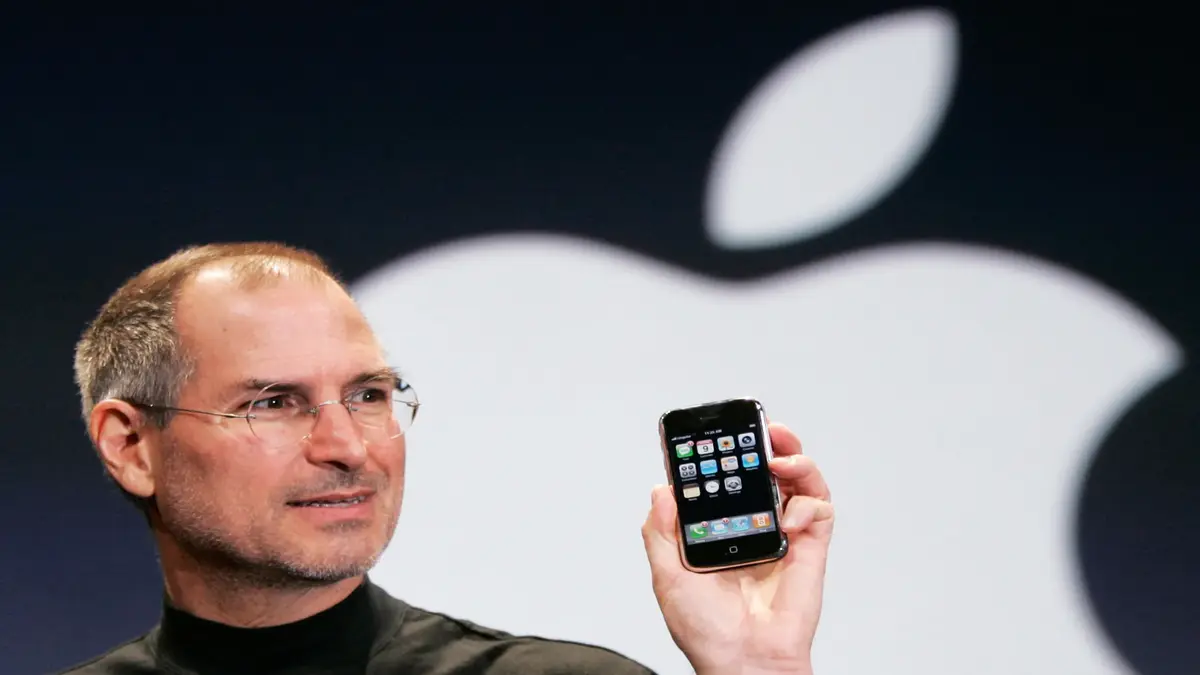
The world before Apple, felt different
I sometimes wonder if younger people realise just how strange technology used to feel.
Not just about design or performance. It was Just… distant.
Computers were these often intimidating boxes that lived primarily in office or lab spaces. A normal person didn’t casually sit down with one the way you open a laptop or check your phone today, well atleast I didn’t. They were the tools of trade for specialists. The engineers, programmers, the kind of people who understood things the rest of us didn’t.
And then one day in someones garage, Apple came along and quietly started changing the relationship.
And fifty years later, the result is obvious. Technology isn’t something we occasionally use anymore, it’s an essential part of us that’s woven into the rhythm of our lives.
Apple had a lot to do with that and I’m sure the folks at Cupertino are planning the celebrations for the big day on 1 April 2026.
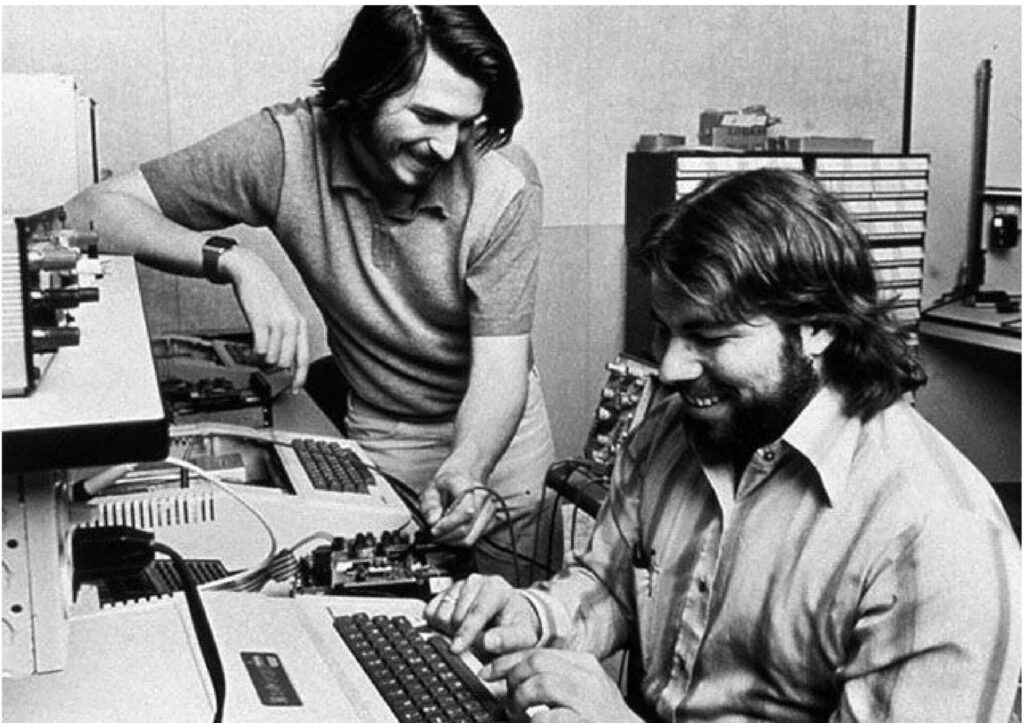
Apple didn’t invent everything. It did something harder.
There’s always this tired debate about whether Apple actually invents anything.
People say it like it’s a clever gotcha.
The truth however is more nuanced and interesting.
Apple rarely invents the category. What it does is take technology that already exists, smooth out the rough edges, and present it in a way that suddenly makes sense to ordinary people.
The Apple II made personal computers feel real, while the Macintosh made graphical interfaces approachable.
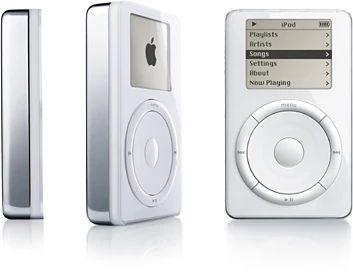
The iPod revolutionised the music industry by making digital music effortless.
And ofcourse the iPhone arrived and quietly rearranged modern life. OK maybe not so quietly, but you get my drift.
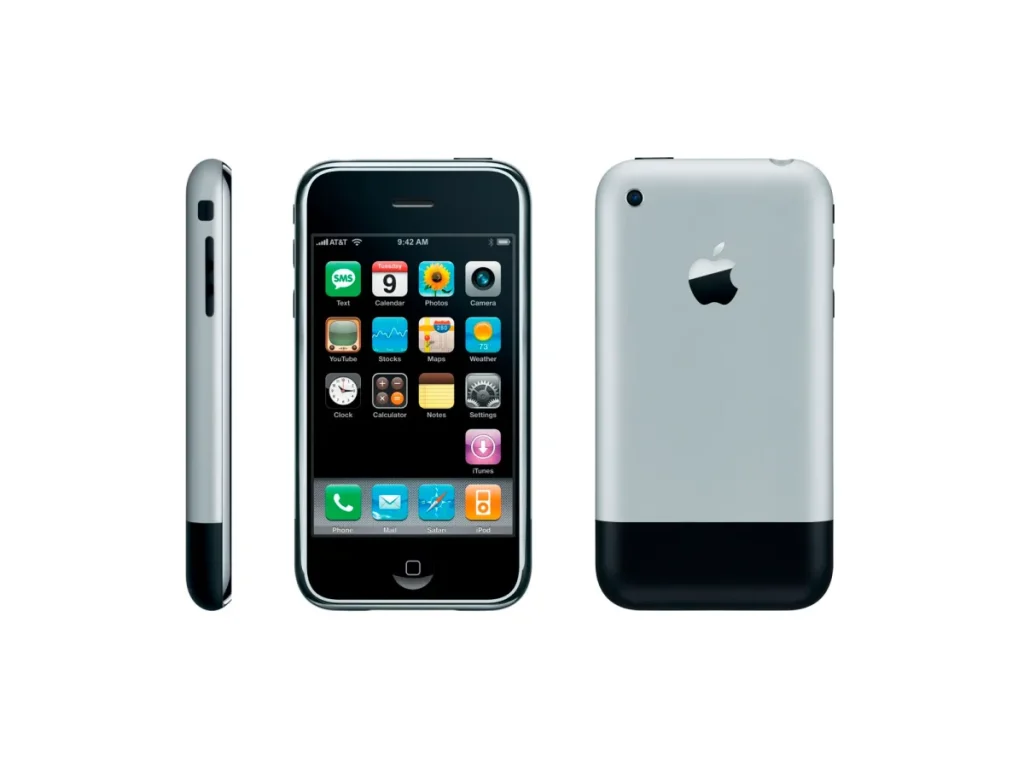
The iPhone didn’t just change tech
I still remember the first time I used one.
It felt obvious in a way good ideas often do after the fact. No physical keyboard, which was a crazy thought for the time. Just a screen you could touch and manipulate like it was alive. The first versions obviously had a lot of growing up to do. Apples vision however was clear. They were pushing for the evolution of the smartphone along with user behaviour.
Before you knew it, your camera, your music player, your maps, your messages, your internet browser, your calendar and half your daily life were sitting in your pocket.
Actually, the entire mobile economy that followed grew out of that moment.
And you know what, that’s not a PR story. That’s history.
Apple’s real trick: it cares about things others ignore
The thing I appreciate most about Apple isn’t any single product. One thing Apple understood earlier than most companies is that people don’t just use technology.
They live with it and it was fast becoming an extention of their lives. So they made technology feel less intimidating for millions of people and turned computers into everyday objects. Something you could explore rather than fear.
That meant that details mattered. Materials, design, how the software behaves, all of it mattered more than ever.
Even the small things like how a laptop lid closes or how an interface responds to a touch.
Apple turned those tiny details into part of the product experience. Once people experienced that level of polish, the rest of the industry had no choice but to catch up.
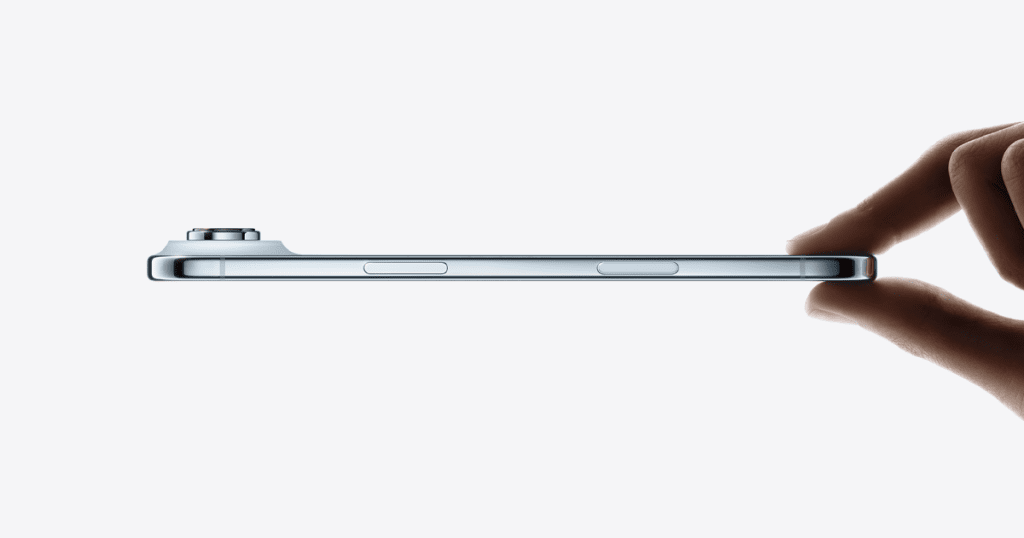
Apple today feels different
At 50, Apple is no longer the scrappy outsider building computers in a garage. It’s one of the most powerful companies on the planet.
That changes the emotional story a little.
It’s easier to root for the underdog than the trillion-dollar giant. Apple today can feel polished, controlled, sometimes even a little smug.
But even with that power, the company still manages to shape the conversation around technology.
When Apple gets something right, the industry moves. When it gets something wrong, people still pay attention. “Apple Intelligence” I’m looking at you!
But influence like that doesn’t happen by accident.
The real legacy
For me, Apple’s biggest contribution isn’t any single device.
It’s the way the company changed how people feel about technology.
It made computers approachable. It made powerful tools feel personal. It helped move technology from something we feared into something we rely on every single day.
So yes, Apple turning 50 is worth acknowledging. Not because it’s perfect. It isn’t. But because very few companies manage to reshape experience.
Apple did.
And whether you love Apple or hate it, chances are the device in your pocket still carries a little bit of that legacy.
