

I can still picture it. A cramped living room, a tangle of cables across the floor, a cheap router flashing like it was about to give up, and five of us huddled around glowing screens at 2am. The internet lagged so badly that half the match felt like a guessing game. Back then, competitive gaming in South Africa was just an underground hobby powered by passion, pizza, and terrible connections.
Fast forward to now, and the scene is unrecognisable. Esports in South Africa has grown teeth. It has structure, sponsors, leagues, and national representation. And here’s the part that still blows my mind: parents are no longer asking “when are you going to stop playing games?” but “so… when’s your next tournament?”
The Quiet Shift That Changed Everything
When Mind Sports South Africa (MSSA) officially recognised esports, it was more than a formality. It legitimised the idea that gaming could be a sport, one where your reflexes, strategy, and teamwork mattered just as much as any physical discipline. Suddenly, high school kids were playing for provincial colours. University students were competing under banners that once belonged only to rugby or cricket.
Games like Counter-Strike 2, League of Legends, FIFA, and Dota 2 became South Africa’s newest playing fields. And unlike grass pitches, these fields were open to anyone with skill, determination, and a solid internet line.
The Numbers Tell the Story
In 2024, the local esports market was worth about USD 15.4 million. By 2030, it’s expected to hit USD 44.1 million. That is not hobby money, that is industry growth.
Improved infrastructure is a big part of it. Fibre internet has changed the game, and local servers have made competitive play far more viable. Where we once battled Europeans at 200ms latency, we can now fight on even ground. And when the playing field evens out, South Africans start winning.
The People Who Pushed It Forward
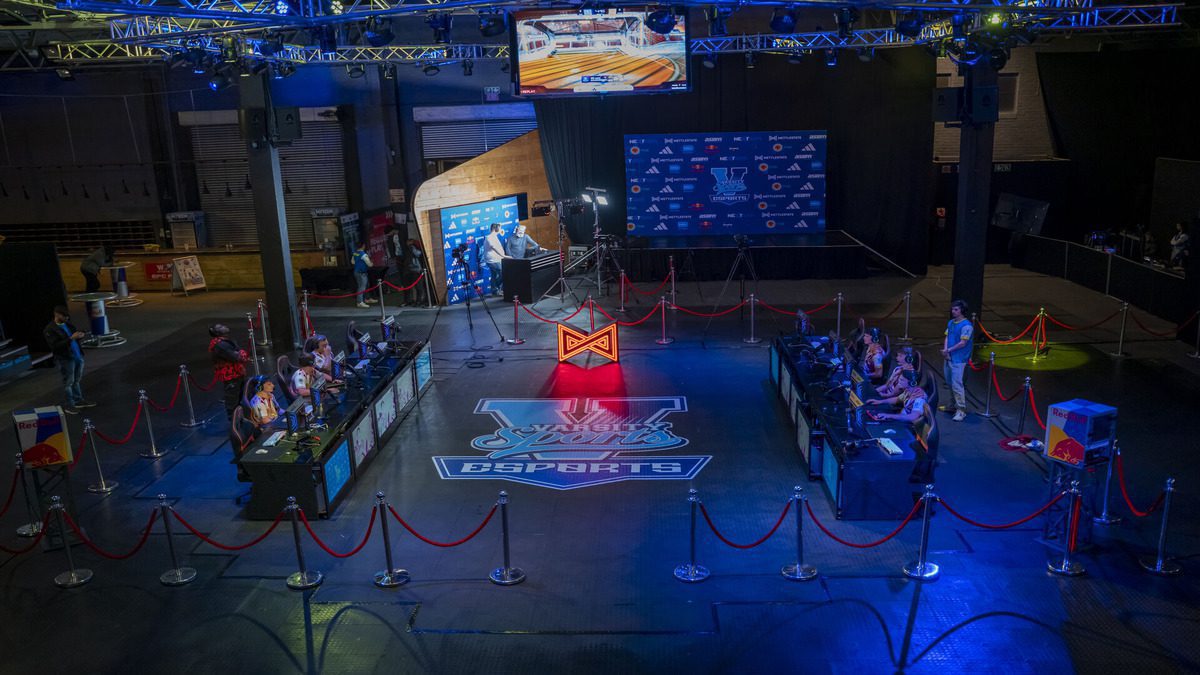
Names like Mettlestate have become the driving forces behind the local gaming culture. They are not just running events, but shaping the ecosystem. Their launch of Varsity Esports at rAge 2024 was a statement to the country: gaming belongs in higher education, not just in bedrooms and garages.
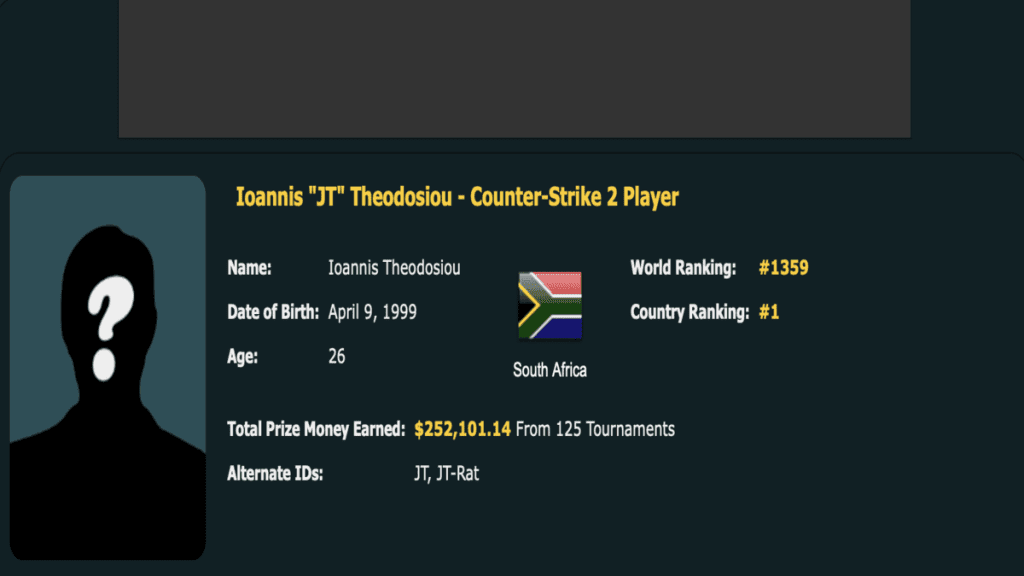
And the players are making their mark too. South Africans have earned over $2.3 million in prize money across more than 600 tournaments. Ioannis “JT” Theodosiou is one of the standout figures, having earned over $250k in prize money, proving that talent here can compete with the best in the world.
The Work Still Ahead
It is not perfect and the infrastructure still has gaping holes. Sponsorship is growing but hasn’t yet caught up with the potential of the scene. Local servers are here, but not nearly in the numbers needed.
Yet these challenges feel solvable. The hunger in the community, the skill of the players, and the commitment of organisers suggest we are only scratching the surface.
Why It Matters Now
Esports in South Africa is about more than just who wins or loses a match. It is about young people finding careers, building communities, staying out of trouble and representing their country without ever leaving their homes. It is a cultural shift, a new way for South Africans to be part of a global stage.
And for me, it is proof that opportunity doesn’t always look the way we expect it to. Sometimes it is not a stadium filled with thousands of fans. Sometimes it is a digital arena, a headset, and a moment when skill meets preparation.
The question is no longer “will esports take off here?” It already has. The real question is how far we are willing to take it.
