

Whenever there’s a suggestion that mobile operators should give something away for free, most South Africans respond with “nice idea, but never going to happen.”
Except this time it is not a suggestion. Zero-rating in South Africa is a licence condition, it has a deadline, and the deadline is 15 January 2027.
On that date, MTN, Vodacom, Cell C and every other operator that walked away from the 2022 spectrum auction with new airwaves are supposed to have made the digital content of public benefit organisations (PBO’S) completely data-free. Educational content, health information, job portals, social services, all of it must be accessible whether you have data or not.Except this time it is not a suggestion. Zero-rating in South Africa is a licence condition, it has a deadline, and the deadline is 15 January 2027.
According to the DG Murray Trust, only fifteen organisations have been zero-rated across the major networks so far out of thousands which qualify.
RAIN, which most people forget is a spectrum winner at all, has done at least two dozen on its own.
Zero-rating in South Africa was never charity in the first place
The framing you are going to hear from the industry, once this gets uncomfortable, and it’s already starting to, is that zero-rating is a social responsibility initiative. Something the networks are graciously doing for the country. Set that PR narrative aside and it’s clear that is not what it is.
Zero-rating was written into the licence conditions of the March 2022 spectrum auction, the one that sent roughly R14.4 billion to the national fiscus. DGMT’s point is that the revenue operators expected to lose by making that content free was already factored into what they bid.
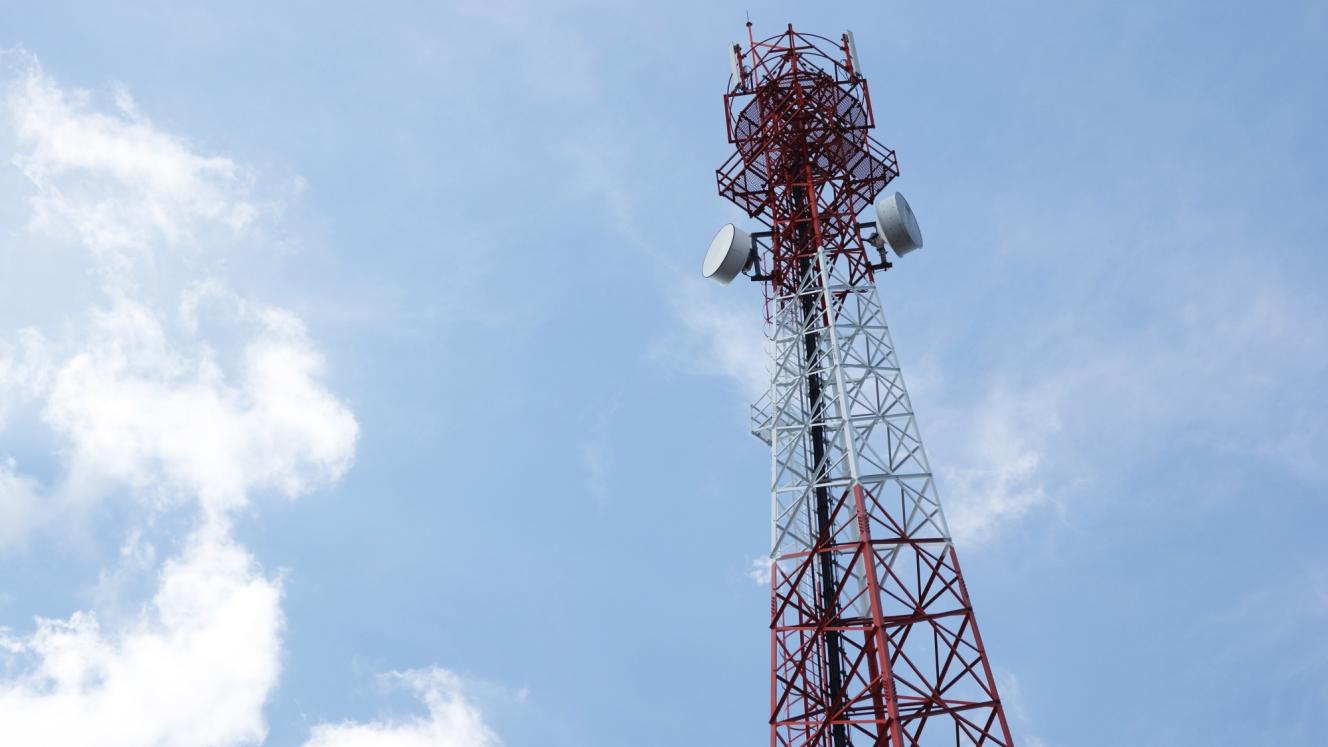
In other words, the discount has been taken, the spectrum is live and the network towers have been running on it for four years.
The part of the deal that benefits a mother looking up health info at 11pm on a R5 airtime balance is what’s still being sat on.
We already know they can do this because they did it in 2020

The most damning detail in DGMT’s statement is not that only 15 organisations are so far covered.
It is the fact that during the Covid-19 national disaster regulations, when zero-rating became a legal requirement with actual consequences attached, the networks switched it on for more than a thousand institutional websites.
There was no need for eighteen months of consultation or waiting for a framework document to be produced. They did it in weeks, because somebody made them.
Busisiwe Kabane-Bailey at DGMT frames it as the only question that matters now is not whether operators can do this, but why they haven’t.
The capability argument was well settled in 2020, which leaves us with a prioritisation argument, and inside a large operator, prioritisation follows consequence. Which brings us to the actual problem.
Nobody has said what happens if they miss it
ICASA has not indicated how it intends to hold operators accountable. There’s no penalty framework, enforcement plan or actual numbers.
Compare that to what the same regulator did with the data rollover regulations, where non-compliance reportedly carries fines of up to R5 million per operator.
Attaching a Rand figure to an obligation, makes it a priority with a deadline. One without is considered a request that has a date on it.
DGMT says it has had no meaningful communication from most operators or from ICASA about how any of this will be implemented, regulated or enforced, five months out from the supposed deadline.
The paperwork excuse expired three years ago
Whenever this obligation comes up, from the operator side the pushback is usually the administration rather than about cost.
Who will verify these organisations? How do we know the site is legitimate and what stops a zero-rated domain becoming a free door into the rest of the internet?
All of these are fair questions but all of them have been answered already.
DGMT launched the Social Innovation Register in 2023, which checks tax-benefit status under Schedule 9 of the Income Tax Act, confirms the technical requirements are met, and exists precisely so that five separate operators do not each need to run five separate vetting departments.
It has processed more than 120 applications since going live.
So the vetting and eligibility criteria already exists. The applications are sitting there, verified and waiting. The networks also have working zero-rating infrastructure they have used before.
What is missing, in Kabane-Bailey’s words, is engagement. Which is the most diplomatic noun anyone has used about this industry in a while.
January is going to be an awkward month
Here is where the timing gets genuinely bad for the industry.
Eight days after the zero-rating deadline, on 23 January 2027, ICASA’s amended service charter regulations are due to take effect. Those force operators to roll over your unused data at least once and stop billing out-of-bundle rates unless you have specifically opted in.
Put the two dates next to each other and the story writes itself.
In the same month operators are supposed to start giving away access to health and education content they already paid for the right to give away, they will be in court arguing about whether the data you bought with your own R29 voucher should quietly vanish at midnight on day thirty.
That is not a communications or engagement problem. It is pure posturing, and South Africans have become pretty good at reading posture.
Remember that data prices in this market only moved meaningfully after the Competition Commission’s data market inquiry made an issue of it. A decade of consumers complaining achieved less than one regulator with a report and the willingness to publish it.
Why this matters more than it sounds
Zero-rating may not sound like a big deal until you attach it to a household budget.
South Africa’s real constraint was never about coverage. It was always about affordability and that hasn’t changed. Almost every home in this country has a phone. What many homes do not have is a data balance that survives the last week of the month.
It’s in that very household where every visit to a government site, downloading a past year paper and every job application submitted, competes directly with WhatsApp. And in that situation WhatsApp will always win, because that is where the job lead actually comes through.
Now add what is happening to device prices. Memory costs are climbing, entry-level laptops are getting squeezed, while the cheapest smartphones are losing specification even if the price tends to remain the same.
These devices are getting more expensive at exactly the moment the data on them was supposed to get cheaper. Only the data pricing is within a regulator’s control and yet nobody is enforcing it.
So what actually needs to happen before January?
Well, three things and none of which require new technology or investment.
ICASA publishes what non-compliance costs, in rand and attach a date to it. Because any obligation without a penalty becomes a recommendation and we have already established how the industry treats those.
Each operator should publish their implementation plan along with the list of what it has zero-rated so far, while working through the register that already exists instead of inventing a parallel process that conveniently takes until March to design.
This is not asking too much from companies that built national networks across a country dealing with load shedding, cable theft and an often schizophrenic currency.
They have the infrastructure and the precedent along with the vetted list.
What they do not have, apparently, is a reason to hurry.
